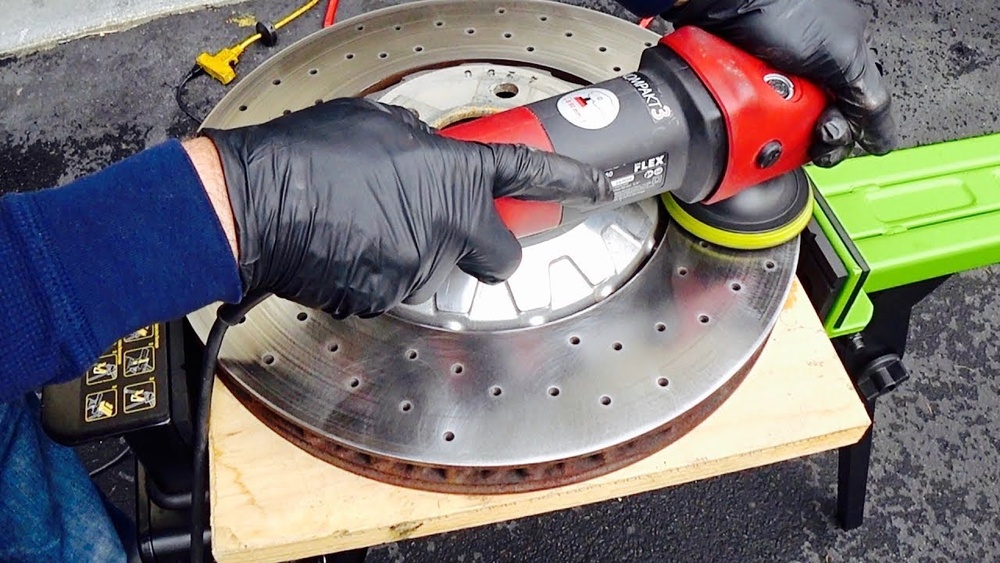
How often do you change rotors and brake pads? If you’re like most drivers, you might not think about this until you hear a strange noise or feel your brakes acting differently.
But knowing the right time to replace these parts can save you money, keep your car running smoothly, and most importantly, protect your safety on the road. You’ll discover clear signs to watch for, simple tips to check your brakes, and expert advice on when to take action.
Keep reading—your car and your peace of mind will thank you.

Credit: www.hawkperformance.com
Signs You Need New Brake Pads
Brake pads wear out over time and need replacement for safe driving. Knowing the signs helps you avoid accidents and costly repairs. Watch for changes in sound, performance, and feel.
These signals tell you when the brake pads are too thin or damaged. Acting fast keeps your car stopping well and protects other parts.
Squeaking And Grinding Noises
Squeaking sounds often mean the brake pads are worn. This noise comes from a small metal indicator rubbing against the rotor. Grinding noises are more serious. They mean the pads are gone, and metal parts touch each other. Stop driving and check the brakes soon.
Reduced Braking Performance
Your car takes longer to stop. The brake pedal feels soft or spongy. This happens when the pads are thin or damaged. You may need to press the pedal harder. This reduces safety and needs quick attention.
Vibration When Braking
The steering wheel or brake pedal shakes during braking. This vibration can mean warped rotors or worn brake pads. It affects control and comfort. Check the brakes to fix the issue before it gets worse.
When To Replace Brake Rotors
Knowing when to replace brake rotors is important for safe driving. Rotors work with brake pads to stop your car. Worn or damaged rotors can reduce braking power. Pay attention to signs that rotors need replacement. This can save money and prevent accidents.
Visible Rotor Damage
Check rotors for cracks, grooves, or deep scratches. These damages can cause vibration and noise. Rust spots or discoloration also show rotor wear. Any visible damage means the rotor might fail soon. Replace rotors with clear signs of damage.
Brake Pulsation Issues
Feel a pulsing or shaking when braking? This usually means the rotors are warped. Warped rotors cause uneven contact with brake pads. The car may jerk or vibrate during stops. This issue needs rotor replacement for smooth braking.
Thickness Measurement Standards
Rotors have a minimum thickness limit set by manufacturers. Below this limit, rotors become unsafe. Mechanics use special tools to measure rotor thickness. If rotors are too thin, replace them immediately. Thin rotors can crack or break under pressure.
Factors Affecting Replacement Frequency
Several factors influence how often you need to change rotors and brake pads. Knowing these helps keep your vehicle safe and running well. These factors vary from person to person and vehicle to vehicle. Understanding them can save you money and prevent brake problems.
Here are the main factors that affect replacement frequency.
Driving Habits And Conditions
Frequent hard braking wears out brake parts faster. Stop-and-go traffic causes more wear than highway driving. Driving in hilly or mountainous areas also increases brake use. Harsh weather, like rain or snow, can speed up rotor rust and pad wear.
Vehicle Type And Model
Heavy vehicles like trucks need stronger brakes that may wear differently. Sports cars often use high-performance brake parts that wear faster. Some vehicles have larger rotors and pads that last longer. Always check your vehicle’s manual for specific guidance.
Brake Pad Material Differences
Semi-metallic pads wear out quicker but cool down fast. Ceramic pads last longer and make less noise. Organic pads are softer but wear faster and may dust more. The material affects how often you replace pads and rotors.
Maintenance Tips For Longer Brake Life
Keeping your brakes in good shape helps you stay safe on the road. Proper maintenance extends the life of your rotors and brake pads. Small habits can make a big difference. Follow these tips to make your brakes last longer and work better.
Regular Inspections
Check your brakes often. Look for signs like squeaking or grinding sounds. Listen for any unusual noises when you press the brake pedal. Inspect the brake pads for thickness. Thin pads need replacement soon. Also, check the rotors for grooves or warping. Early detection prevents bigger problems and costly repairs.
Proper Driving Techniques
Drive smoothly and avoid hard braking. Sudden stops wear down brake pads fast. Use engine braking by downshifting on hills. This reduces brake pressure and heat. Keep a safe distance from other cars. This gives you more time to brake gently. Gentle braking helps rotors and pads last longer.
Quality Parts Selection
Choose high-quality brake pads and rotors. Cheap parts wear out quickly and may damage other brake components. Select parts that match your vehicle’s make and model. Look for trusted brands with good reviews. Quality parts improve braking performance and durability. They save money over time by lasting longer.
Diy Vs Professional Brake Replacement
Deciding between DIY and professional brake replacement affects safety, cost, and time. Replacing rotors and brake pads is critical for vehicle safety. Some car owners choose to do it themselves to save money. Others prefer professionals for guaranteed quality and safety. Understanding the differences helps make the best choice for your situation.
Tools And Skills Required
DIY brake replacement needs specific tools. You must have a jack, lug wrench, C-clamp, and socket set. Basic knowledge of car parts is important. Skills in removing wheels and brake components are necessary. Professionals have advanced tools and training. They work faster and handle complex issues. Without skills, DIY can lead to mistakes.
Safety Considerations
Brakes are vital for safe driving. Incorrect installation can cause accidents. Professionals follow strict safety protocols. They inspect parts for hidden damage. DIYers risk missing worn components. Proper torque on bolts is crucial. Professionals ensure everything fits perfectly. Safety should never be compromised for cost or convenience.
Cost And Time Comparison
DIY brake replacement saves money on labor. Parts cost the same for both options. Time spent is longer for DIYers. Professionals complete the job quickly. Mistakes in DIY may increase costs later. Professionals reduce risk of future problems. Consider your time, tools, and confidence before deciding.
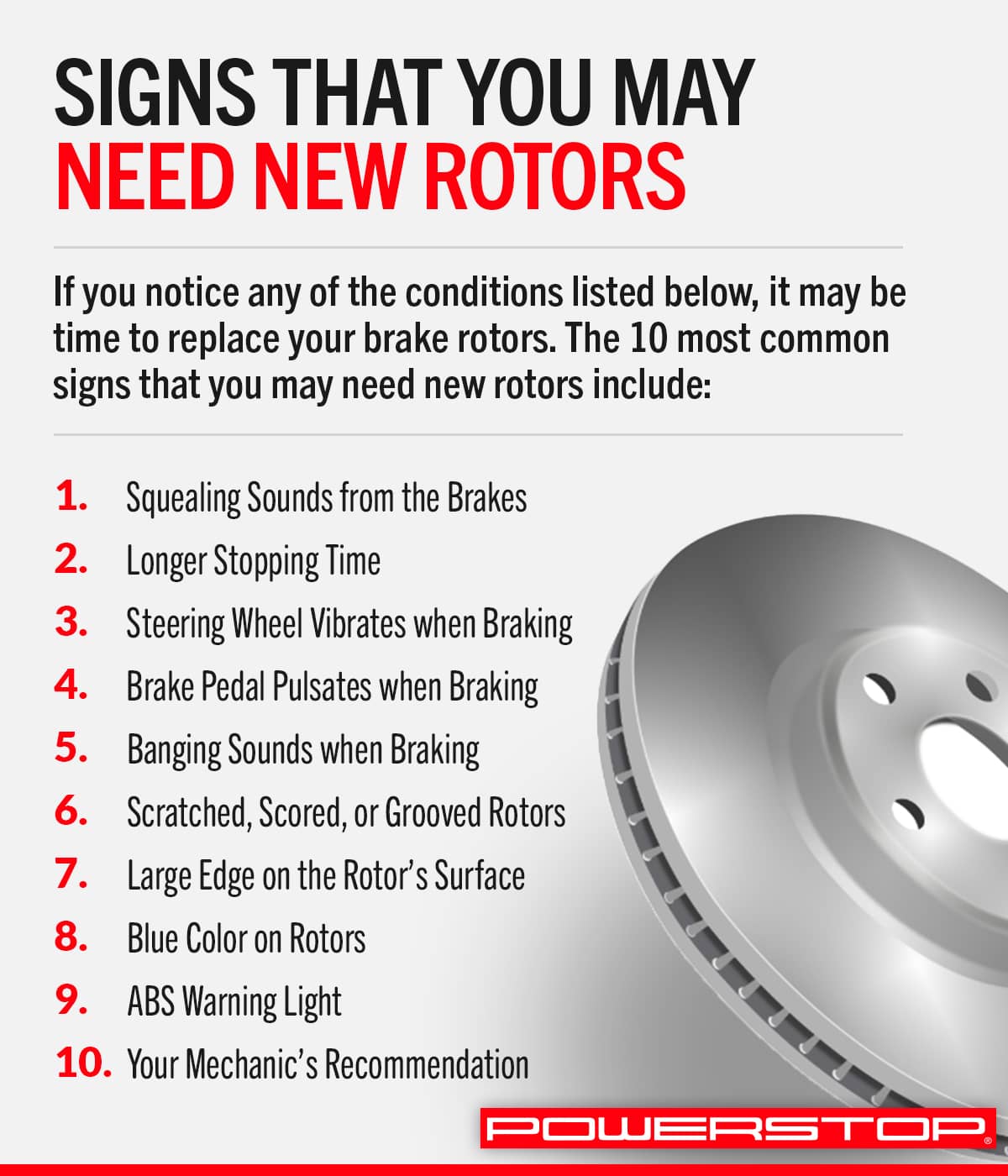
Credit: www.powerstop.com
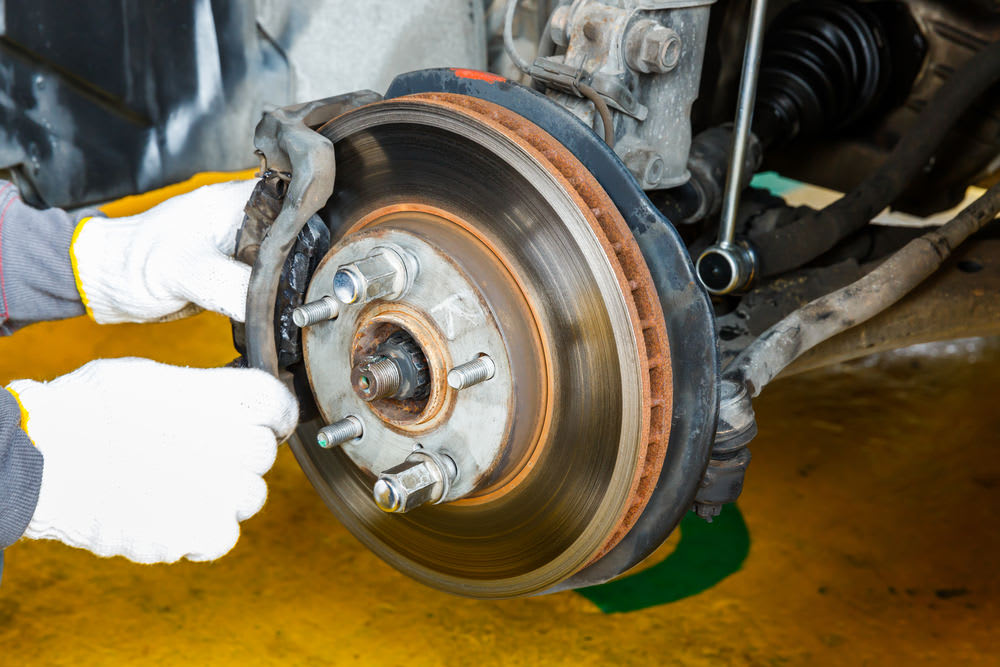
Credit: www.yourmechanic.com
Frequently Asked Questions
How Often Should Brake Pads Be Replaced?
Brake pads usually need replacement every 30,000 to 70,000 miles. Driving habits and conditions affect this interval. Regular inspections help catch wear early. Replacing worn pads maintains braking efficiency and safety.
When Do Rotors Need Changing?
Rotors typically last 50,000 to 70,000 miles but vary by use. Signs for replacement include vibrations, grooves, or warping. Thin or damaged rotors reduce braking performance and safety, so timely change is crucial.
Can Brake Pads Be Replaced Without Changing Rotors?
Yes, brake pads can be replaced independently. However, worn or damaged rotors should be resurfaced or replaced to ensure optimal braking. Ignoring rotor condition may lead to uneven wear and poor brake performance.
What Factors Affect Rotor And Brake Pad Lifespan?
Driving style, road conditions, and vehicle type impact lifespan. Frequent heavy braking or mountainous terrain can reduce longevity. Regular maintenance and prompt repairs extend the life of brake components.
Conclusion
Regularly checking and changing brake pads and rotors keeps your car safe. Worn parts can cause noise, vibration, or poor stopping power. Most brake pads last 30,000 to 70,000 miles, while rotors may last longer. Pay attention to signs like squealing or longer stopping distances.
Timely replacement helps avoid costly repairs later. Remember, safe brakes mean safer driving. Stay alert and maintain your brakes to protect yourself and others on the road.