

Are you wondering how to store a car battery the right way? Whether you have a spare battery or you’re putting your vehicle away for a while, knowing the proper storage method can save you from costly damage and frustration.
Storing a car battery incorrectly can lead to a dead battery or even shorten its lifespan. You’ll discover simple, practical steps to keep your battery healthy and ready to go whenever you need it. Keep reading to learn how to protect your investment and avoid common mistakes that many car owners make.
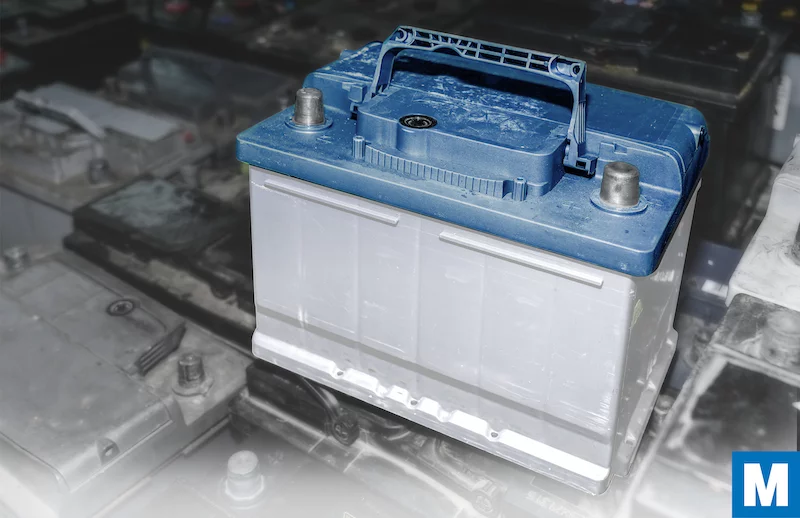
Credit: www.midtronics.com
Choosing The Right Storage Location
Choosing the right place to store a car battery is very important. The storage spot affects the battery’s life and performance. A good location keeps the battery safe and working well. Pay attention to temperature, moisture, and safety around flammable items. These factors help the battery last longer and avoid damage.
Ideal Temperature Conditions
Store the battery in a cool, dry place. Avoid extreme heat or cold. High temperatures can cause the battery to lose charge quickly. Freezing cold can damage the battery’s internal parts. Keep the temperature between 32°F and 80°F for best results. This range helps the battery stay healthy.
Avoiding Moisture And Dirt
Moisture can cause corrosion on the battery terminals. Dirt can clog the battery vents and reduce performance. Store the battery on a clean, dry surface. Use a sealed container or cover to protect it from dust and water. Check the battery regularly for any signs of dirt or moisture buildup.
Safe Placement Away From Flammable Materials
Car batteries contain acid and gases that can be dangerous. Keep the battery away from flammable materials like paper, cloth, or gasoline. Place it in a well-ventilated area to prevent gas buildup. Avoid storing the battery near heat sources or open flames. Safety prevents accidents and protects your home.
Preparing The Battery For Storage
Preparing a car battery for storage helps keep it in good shape. Proper steps prevent damage and extend battery life. Follow these simple tasks before storing your battery.
Cleaning The Battery Terminals
Start by cleaning the battery terminals. Dirt and corrosion can block the power flow. Use a mixture of baking soda and water to scrub the terminals. A small brush works well for this. Rinse with clean water and dry the terminals completely. Clean terminals ensure a strong connection later.
Checking Battery Charge Level
Check the battery’s charge before storage. A fully charged battery stays healthy longer. Use a voltmeter or multimeter to check voltage. Aim for about 12.6 volts or higher. If the charge is low, charge the battery fully. Avoid storing a battery that is dead or almost empty.
Disconnecting The Battery Properly
Disconnect the battery safely from the vehicle. Always remove the negative terminal first. This prevents short circuits and sparks. Then remove the positive terminal. Keep the terminals from touching any metal parts. Store the battery in a dry, cool place away from direct sunlight.
Using Battery Maintenance Tools
Using battery maintenance tools helps keep your car battery healthy during storage. These tools prevent battery drain and damage. They make sure the battery stays charged and ready to use. Proper care can extend the battery’s life.
Battery Tender And Trickle Chargers
Battery tenders and trickle chargers give a small, steady charge. They stop the battery from losing power over time. These devices are safe for long-term use. They keep the battery at the right charge level. This prevents overcharging and damage.
Regular Voltage Monitoring
Checking the battery voltage often helps find problems early. Use a voltmeter to see the battery’s charge level. Normal voltage keeps the battery strong. Low voltage means the battery needs charging. Monitoring stops the battery from dying completely.
Desulfation Devices
Desulfation devices remove sulfate buildup on battery plates. Sulfate reduces the battery’s power and life. These devices send pulses to break down sulfate crystals. Using desulfation tools can restore battery performance. It helps the battery work better and last longer.
Handling Battery During Storage Period
Proper care of a car battery during storage extends its life and keeps it ready for use. Handling the battery with attention prevents damage and power loss. Simple steps make a big difference in battery health.
Periodic Charging Intervals
Charge the battery every four to six weeks. This prevents the battery from losing power. Use a charger made for car batteries. Avoid overcharging; it can damage the battery.
Inspecting For Corrosion Or Damage
Check the battery terminals for white or green powder. This powder is corrosion and must be cleaned. Look for cracks or leaks on the battery case. Damaged batteries can be unsafe and should be replaced.
Avoiding Deep Discharge
Do not let the battery lose all its power. Deep discharge harms the battery cells. Keep the battery at a moderate charge level. This helps keep the battery strong during storage.
Safety Precautions
Storing a car battery requires careful attention to safety. Car batteries contain acid and produce gases that can be harmful. Taking safety steps protects you and your surroundings. Follow these key precautions to handle and store your battery safely.
Protective Gear Recommendations
Always wear gloves to protect your hands from acid. Use safety goggles to shield your eyes from splashes. Wear old clothes or a protective apron to avoid damage. Thick shoes can protect your feet from accidental drops. These simple items reduce the risk of injury during handling.
Ventilation Needs
Store the battery in a well-ventilated area. Battery gases like hydrogen can build up and cause explosions. Avoid closed spaces or rooms without airflow. Open windows or use fans to keep air moving. Proper ventilation lowers the risk of dangerous gas accumulation.
Proper Disposal Of Old Batteries
Never throw old batteries in the trash. Car batteries contain harmful chemicals that pollute the environment. Take them to a recycling center or auto shop. Many places accept used batteries for safe disposal. Responsible disposal protects nature and follows legal rules.

Credit: www.southwestsolutions.com
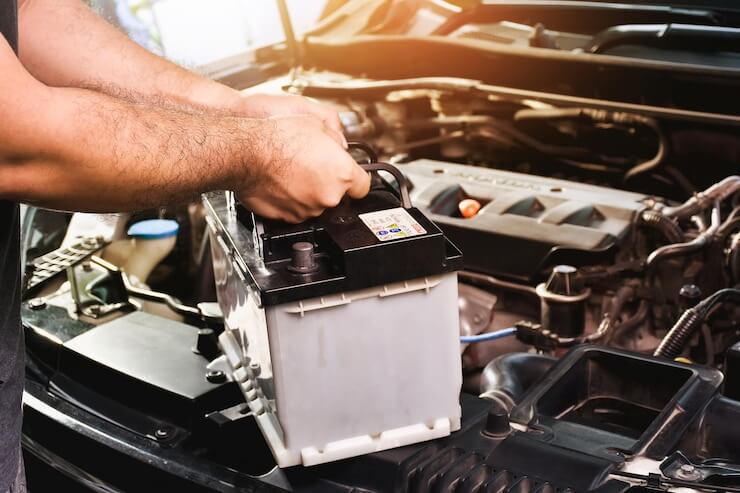
Credit: www.batteriessunshinecoast.com.au
Frequently Asked Questions
How Do You Prepare A Car Battery For Storage?
Clean the battery terminals and dry the battery completely. Disconnect the battery cables to prevent discharge. Store the battery in a cool, dry place away from direct sunlight and extreme temperatures.
What Is The Best Temperature To Store A Car Battery?
Store your car battery in a cool place around 50°F to 70°F (10°C to 21°C). Avoid freezing or extremely hot environments, as temperature extremes reduce battery life and performance.
Should A Car Battery Be Charged Before Storage?
Yes, fully charge your car battery before storage. A fully charged battery prevents sulfation and extends its lifespan. Check the charge periodically and recharge as needed during long storage periods.
Can You Store A Car Battery Indoors Safely?
Yes, you can store a car battery indoors if kept in a ventilated, dry area. Avoid storing it near flammable materials and ensure it is on a non-conductive surface.
Conclusion
Properly storing a car battery helps it last longer and work better. Keep it in a cool, dry place away from direct sunlight. Always clean the terminals and charge the battery before storage. Check the battery regularly to avoid damage or loss of power.
Taking these simple steps saves money and avoids car troubles. Safe storage means your battery will be ready when you need it next. Simple care makes a big difference over time.


