

Have you ever felt your brakes acting a little off but weren’t sure why? Your brake rotors play a huge role in keeping your car safe and stopping smoothly.
Knowing when your rotors need to be replaced can save you from costly repairs and dangerous driving situations. You’ll discover the clear signs that tell you it’s time for new brake rotors. Keep reading to protect yourself, your passengers, and your vehicle before small problems turn into big headaches.
Common Brake Rotor Issues
Brake rotors are vital for safe driving. They help stop your car by working with the brake pads. Over time, rotors wear out or get damaged. This can cause problems with braking. Recognizing common rotor issues helps you know when to replace them. Below are frequent signs of worn or damaged brake rotors.
Warped Rotors
Warped rotors cause vibrations when braking. You may feel shaking in the steering wheel or brake pedal. Heat buildup or uneven wear often warps the rotor. Warping reduces braking efficiency and can make stopping unsafe. If you notice vibration, check the rotors for warping.
Scored Or Grooved Surfaces
Scoring happens when brake pads wear down the rotor surface. Deep grooves or scratches appear on the rotor. This makes the brakes noisy and less smooth. Rough surfaces reduce braking power and can damage new pads. Scored rotors often need resurfacing or replacement.
Rust And Corrosion
Rust forms on rotors exposed to moisture and road salt. Light surface rust is normal but heavy corrosion is harmful. Corroded rotors may cause noise and uneven braking. Rust weakens the rotor metal and shortens its life. Severe rust means it is time for new rotors.
Credit: www.reddit.com
Signs Of Rotor Wear
Rotors are a key part of your vehicle’s braking system. They help slow down and stop your car safely. Over time, rotors can wear out from constant use. Recognizing the signs of rotor wear helps you stay safe on the road. Early detection can prevent bigger problems and costly repairs.
Squealing Or Grinding Noises
Squealing or grinding sounds are common signs of worn rotors. Squealing often means the brake pads are low. Grinding noises usually mean the rotor surface is damaged. These sounds happen when the brake pads rub against a rough rotor.
Vibrations When Braking
Feeling vibrations in the brake pedal or steering wheel is a warning. Warped rotors cause uneven braking pressure. This makes the brake pedal shake when you slow down. Vibrations mean the rotor surface is no longer smooth.
Longer Stopping Distances
Rotors in poor condition reduce braking efficiency. Your car may take longer to stop than usual. This delay can be dangerous in emergency stops. Longer stopping distances often point to worn or damaged rotors.
Visual Inspection Tips
Visual inspection is the first step to check your brake rotors. It helps spot problems early. You do not need special tools for a basic check. Just a good look can reveal signs of wear or damage. Knowing what to see saves time and money. Here are some tips to guide your inspection.
Checking Rotor Thickness
Rotors must have a certain thickness to work well. Thin rotors heat up and brake poorly. Use a micrometer or caliper to measure thickness. Compare your measurement to the minimum thickness in your car manual. If the rotor is thinner, it needs replacement.
Identifying Cracks Or Damage
Cracks on rotors are dangerous. They happen from heat and stress. Look closely at the rotor surface and edges. Small cracks may start as thin lines. Do not ignore any crack. Damage can cause brake failure or noise.
Uneven Wear Patterns
Rotors should wear evenly. Uneven wear shows as grooves or ridges. It can cause vibration when braking. Run your fingers over the rotor surface. Rough or bumpy spots mean uneven wear. This issue often means the rotor needs changing.

Credit: www.youtube.com
When To Replace Rotors
Knowing when to replace brake rotors is important for your safety and car performance. Rotors wear down over time and can cause poor braking. Regular checks can help spot problems early. Some signs mean it’s time to change them. Let’s explore key moments to replace your rotors.
Manufacturer’s Thickness Specifications
Each rotor has a minimum thickness set by the maker. This number ensures the rotor can handle heat and stress safely. Use a micrometer to measure rotor thickness. If the rotor is thinner than the minimum, replace it. Driving on thin rotors risks brake failure.
After Multiple Brake Pad Replacements
Brake pads wear faster than rotors, but rotors wear too. Changing pads several times wears the rotor surface. Grooves and uneven spots develop. This reduces braking power and causes vibration. Check rotors during every pad change. Replace rotors if they look damaged or worn.
Following Brake System Repairs
Brake repairs often involve rotor checks or replacements. Sometimes mechanics resurface rotors to fix damage. This reduces rotor thickness and strength. After repairs, always measure rotor thickness. Replace rotors that no longer meet safety standards. This keeps your brakes working well and safe.
Preventing Rotor Damage
Preventing rotor damage helps keep your brakes working well and your drives safe. Rotors wear out over time, but careful care can make them last longer. Simple steps stop damage before it starts. This saves money and avoids brake problems.
Regular Brake Maintenance
Check brakes often for signs of wear or damage. Have a mechanic inspect rotors during oil changes. Cleaning brake parts removes dust and dirt that cause wear. Replace worn brake pads early to protect rotors. Maintenance keeps the whole brake system healthy.
Avoiding Hard Braking
Hard braking puts stress on rotors and pads. Try to slow down smoothly and early. Avoid sudden stops whenever possible. This reduces heat build-up in rotors. Less heat means less chance of warping or cracking.
Using Quality Brake Pads
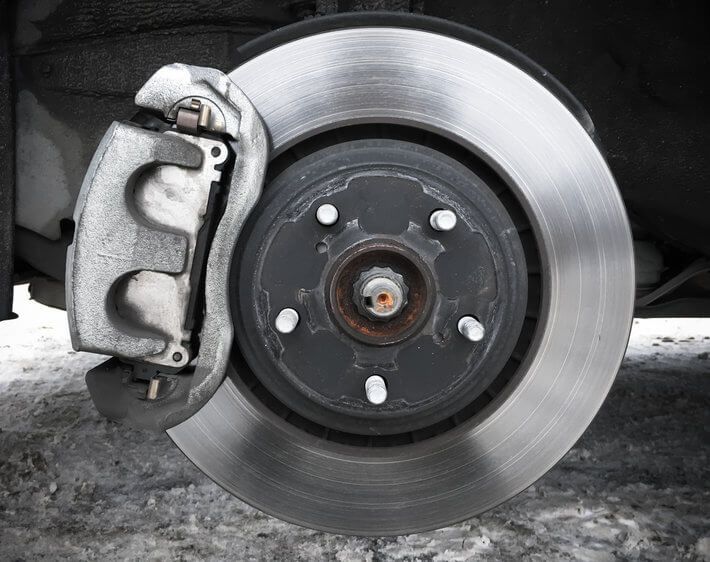
Cheap pads wear out fast and harm rotors. Choose brake pads made from good materials. Quality pads grip better and last longer. They cause less dust and heat. Using the right pads helps rotors stay in good shape.
Credit: www.tiresplus.com
Frequently Asked Questions
How Do I Know If Brake Rotors Need Replacement?
If you hear squealing, grinding, or feel vibration when braking, your rotors likely need replacement. Visual signs include deep grooves or cracks on the rotor surface. Regular inspection ensures safety and optimal brake performance.
What Causes Brake Rotors To Wear Out Quickly?
Brake rotors wear out due to excessive heat, frequent hard braking, and using poor-quality brake pads. Corrosion and driving in harsh conditions also speed up rotor damage. Proper maintenance and timely pad replacement can extend rotor life.
Can Warped Rotors Affect Vehicle Safety?
Yes, warped rotors cause uneven braking and vibrations. This reduces control and increases stopping distance, risking accidents. Replacing warped rotors restores smooth braking and ensures safer driving conditions.
How Often Should Brake Rotors Be Inspected?
Brake rotors should be inspected every 10,000 to 12,000 miles or during every brake pad change. Regular checks help catch wear early and prevent costly repairs, ensuring consistent brake performance.
Conclusion
Brake rotors wear down with time and use. Signs like noise, vibration, or poor braking mean it’s time to check them. Worn rotors can reduce safety and increase repair costs. Regular inspection helps catch problems early. Replacing old rotors keeps your brakes working well and your drives safe.
Don’t ignore the warning signs your car gives. Stay alert, and keep your braking system in good shape. Safe driving depends on good brakes.


