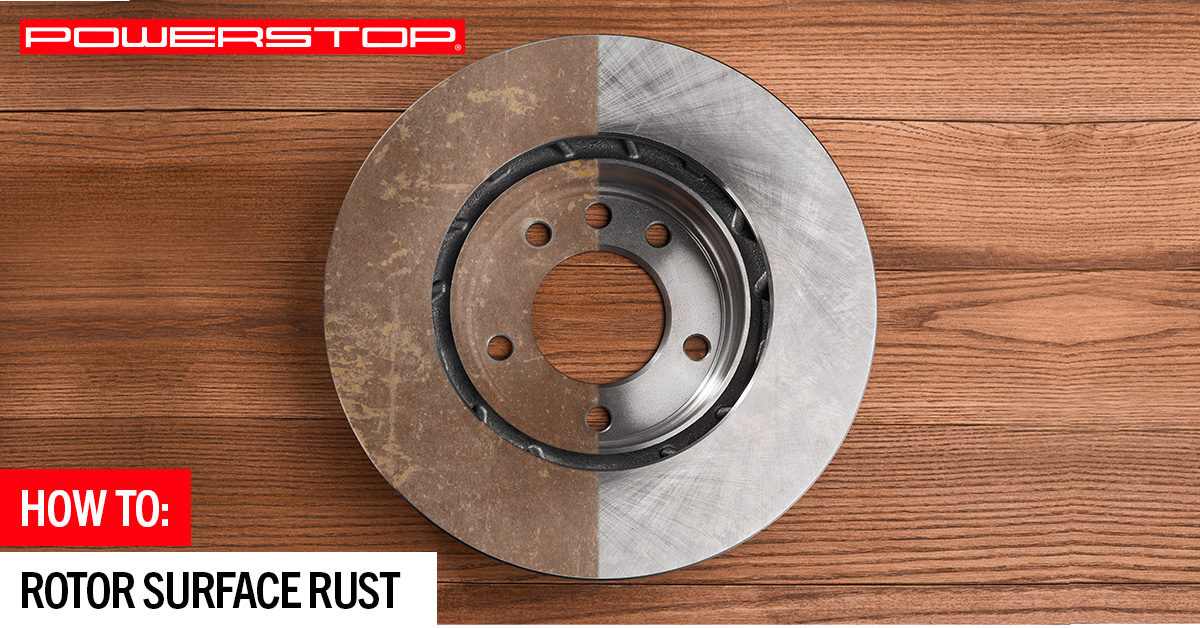
Are your brakes feeling a little off? Rusty brake rotors could be the reason why your car isn’t stopping as smoothly as it should.
If you’ve noticed squeaking sounds or vibrations when you hit the brakes, it’s time to take action. Don’t ignore the problem—your safety depends on it. You’ll learn simple, step-by-step methods to fix rusty brake rotors and get your brakes working like new again.
Keep reading, and you’ll discover easy tips that save you money and keep your drives safe.
Credit: www.powerstop.com
Identifying Rusty Brake Rotors
Rusty brake rotors can affect your car’s safety and performance. Identifying rust early helps prevent bigger problems. Knowing what to watch for is key.
This section explains how to spot rusty brake rotors. It covers common signs and reasons behind rotor corrosion.
Common Signs Of Rotor Rust
Look for orange or brown spots on the rotor surface. These colors show rust forming. You might hear a grinding or squeaking sound when braking. This noise often means rust buildup. Your brake pedal may feel less responsive. Rust can reduce brake efficiency. Uneven braking or pulling to one side can also signal rust issues. Check your rotors regularly for these signs.
Causes Of Rotor Corrosion
Moisture is the main cause of rotor rust. Rain, snow, or humidity can make metal rot. Salt used on roads in winter speeds up corrosion. Not driving the car for a long time also leads to rust. Lack of brake use allows moisture to settle. Poor rotor material or old age can make rust worse. Cleaning and drying rotors help prevent corrosion.

Credit: www.youtube.com
Tools And Materials Needed
Fixing rusty brake rotors requires specific tools and materials. Having the right supplies makes the job easier and safer. Prepare everything before starting the cleaning process. This section covers the key tools you need.
Essential Cleaning Supplies
Start with a wire brush to scrub off loose rust. Sandpaper or a sanding block helps smooth the rotor surface. Use brake cleaner spray to remove grease and dirt. Clean rags or paper towels are useful to wipe the rotors. A lubricant spray can prevent rust from returning quickly.
Safety Equipment
Wear safety goggles to protect your eyes from debris. Use gloves to keep your hands safe from chemicals and sharp edges. A dust mask prevents inhaling rust particles and dust. Work in a well-ventilated area to avoid breathing harmful fumes. Proper safety gear keeps you secure while working on rotors.
Preparing Your Vehicle
Start by lifting your vehicle safely using a jack and securing it with stands. Remove the wheels to access the brake rotors easily. Clean the area around the rotors to prevent dirt from causing damage during the repair.
Securing The Car
Start by parking your car on a flat surface. This keeps it stable while you work. Engage the parking brake to prevent movement. Place wheel chocks behind the wheels for extra safety. Never skip this step; it protects you from accidents.
Removing The Wheel
Loosen the lug nuts before lifting the car. Use a wrench to turn them counterclockwise. Then, raise the car with a jack and secure it with jack stands. Remove the lug nuts completely and take off the wheel. This gives clear access to the brake rotors.
Removing Surface Rust
Rust on brake rotors can cause noise and reduce braking power. Removing surface rust is a simple task you can do at home. It helps restore smooth braking and extends rotor life.
This section covers two easy methods to remove rust. Both use common tools and materials. Follow these steps carefully for the best results.
Using Sandpaper And Wire Brush
Start by cleaning the rotor with water and a cloth. Dry it well to prevent more rust.
Use medium-grit sandpaper to rub the rusty areas gently. Sand in a circular motion for even removal.
Next, take a wire brush to scrub off the loose rust and debris. A handheld or drill-attached wire brush works well.
Wipe the rotor clean with a dry cloth. Check if rust is gone. Repeat sanding and brushing if needed.
Applying Rust Remover Solutions
Choose a rust remover made for automotive use. Read the instructions on the label carefully.
Apply the solution evenly on the rusty parts of the rotor. Use a brush or spray bottle for easy application.
Allow it to sit for the time stated in the instructions. This helps dissolve the rust effectively.
After the wait, scrub the rotor lightly with a brush to remove loosened rust.
Rinse the rotor with water and dry it thoroughly. Repeat the process if rust remains.
Dealing With Severe Rust
Severe rust on brake rotors can cause serious problems. It affects braking power and safety. Rust can create uneven surfaces on the rotors. This leads to vibrations and noise when braking. Dealing with heavy rust requires careful inspection and action. Sometimes cleaning is not enough. You may need to replace or resurface the rotors to ensure safe driving.
When To Replace Rotors
Rotors need replacement if rust causes deep pits or grooves. If the rotor thickness is below the manufacturer’s limit, replace them. Warped rotors that cause shaking also need replacement. Cracks or severe corrosion cannot be fixed by resurfacing. Old rotors with uneven wear should be changed for better brake performance. Always check rotor condition during brake service.
Professional Resurfacing Options
Resurfacing removes rust and smooths the rotor surface. A professional uses a lathe machine to shave a thin layer off. This process restores a flat, even surface for better brake contact. Resurfacing extends rotor life if damage is not severe. It also reduces brake noise and vibration. Professionals measure rotor thickness before and after resurfacing. This ensures rotors remain safe to use.
Preventing Future Rust
Preventing future rust on brake rotors helps keep your brakes safe and working well. Rust can cause noise and reduce braking power. Taking steps to protect your rotors stops rust from forming again. Simple actions and treatments keep rotors smooth and strong longer.
Protective Coatings And Treatments
Applying a protective coating on rotors blocks moisture and air. This stops rust from starting. Use a high-temperature brake rotor paint or anti-rust spray made for brakes. These coatings dry fast and form a thin shield. Avoid thick layers that can affect brake performance. Regularly check the coating and reapply if it wears off.
Routine Maintenance Tips
Clean rotors often using brake cleaner and a soft cloth. Remove dirt and brake dust that hold moisture. Drive your car regularly to keep rotors dry and warm. Long parking times cause rust buildup. Park in a dry place or use a car cover to reduce moisture. Inspect rotors during tire changes or brake checks. Spot early rust and clean it before damage grows.
Testing Brake Performance After Fix
After fixing rusty brake rotors, testing the brake performance is crucial. This step ensures your brakes work safely and effectively. Without proper testing, unnoticed issues might remain, risking your safety on the road.
Testing helps confirm that the rust removal and repairs restored your brake system’s function. It also lets you spot any new problems early. Follow simple checks to verify your brakes respond well and stop your vehicle smoothly.
Brake Function Check
Start with a slow speed test in an empty area. Press the brake pedal gently and then harder. Feel for any unusual resistance or softness. The pedal should feel firm, not spongy or too stiff.
Listen for noises like squeaking or grinding. Smooth, quiet braking means the rotors and pads work well. Check if the vehicle stops straight without pulling to one side. This confirms even brake pressure on both sides.
Signs Of Remaining Issues
Watch for vibrations or shaking during braking. This may mean rotor warping or uneven surfaces. Persistent noise can indicate leftover rust or worn parts. A soft brake pedal might suggest air in the brake lines.
If the car pulls to one side, the brakes may need further adjustment. Any warning lights on the dashboard also require attention. Address these signs quickly to keep your brakes reliable and safe.

Credit: www.reddit.com
Frequently Asked Questions
What Causes Brake Rotors To Rust Quickly?
Brake rotors rust due to moisture, road salt, and lack of use. Rust forms on the surface when exposed to air and water. Frequent driving helps keep rotors clean by wearing off surface rust naturally.
Can I Fix Rusty Brake Rotors Myself?
Yes, you can fix rusty brake rotors yourself using sandpaper or a wire brush. Light rust can be removed by sanding the rotor surface. For heavy rust, consider professional rotor resurfacing or replacement to ensure safety.
How Do I Prevent Brake Rotors From Rusting?
Prevent rust by driving regularly and keeping brakes dry. Applying anti-rust sprays or coatings can also help. Storing your vehicle in a dry place reduces moisture exposure, minimizing rotor rust buildup.
When Should Rusty Brake Rotors Be Replaced?
Replace brake rotors if rust causes pitting, uneven wear, or reduced braking efficiency. Deep corrosion weakens rotors and compromises safety. Consult a mechanic if rust removal does not restore smooth braking performance.
Conclusion
Rusty brake rotors can cause noise and reduce braking power. Cleaning or replacing them keeps your brakes working well. Regular checks prevent rust build-up and ensure safety. Simple steps can save money and avoid bigger problems. Stay safe by maintaining your brake system often.
Don’t ignore signs of rust on your rotors. Taking care of brakes protects you on every drive.