

Have you ever wanted to give your car, laptop, or furniture a fresh new look without spending a fortune? Making a vinyl wrap yourself is easier than you think—and it can completely transform your belongings in just a few simple steps.
Imagine turning heads with a sleek design or vibrant color that shows off your style. In this guide, you’ll learn exactly how to create a vinyl wrap that fits your needs, saves you money, and lets your creativity shine. Ready to start?
Let’s dive in and make your vision come alive!

Credit: www.mby.com
Choosing The Right Vinyl
Choosing the right vinyl is the first step to a successful wrap. The vinyl must fit your project and last long. This choice affects how your wrap looks and performs. Picking the wrong type can cause bubbles, peeling, or fading. Understanding vinyl types and features helps you avoid mistakes.
Types Of Vinyl Wraps
There are many vinyl types for wrapping. Cast vinyl is thin and flexible. It molds well to curves and lasts up to 7 years. Calendered vinyl is thicker and less flexible. It works best on flat surfaces and lasts around 3 years. Choose cast vinyl for cars. Use calendered vinyl for signs or flat objects.
Selecting Colors And Finishes
Vinyl comes in many colors and finishes. Glossy finishes shine and look new. Matte finishes have no shine and hide fingerprints. Satin finishes are between glossy and matte. Consider the environment and style. Bright colors grab attention. Dark colors hide dirt well. Pick a finish that suits your taste and use.
Tools And Materials Needed
Good tools make wrapping easier. You need a squeegee to smooth vinyl. A heat gun helps vinyl stretch and stick. Use a sharp knife to trim edges. Cleaning supplies prepare the surface. Rubbing alcohol removes dirt and grease. Gloves protect your hands and keep vinyl clean. Have all tools ready before starting.
Preparing The Surface
Preparing the surface is the first step in making a vinyl wrap. A clean and smooth surface helps the vinyl stick better and last longer. This step prevents bubbles, peeling, and uneven spots on your wrap.
Cleaning And Degreasing
Start by washing the area with soap and water. This removes dirt and dust. After that, use a degreaser to clear away oils and grease. A clean surface ensures the vinyl will stick firmly.
Use a soft cloth and avoid harsh chemicals. Let the surface dry completely before moving on.
Removing Old Wraps Or Adhesives
Old vinyl or adhesive can stop the new wrap from sticking properly. Peel off any old wrap carefully. Use an adhesive remover to clean sticky residue.
Work slowly to avoid damage. Ensure the surface is smooth and clear of any leftover material.
Sanding And Repairing Imperfections
Check for scratches, dents, or rough spots. Lightly sand these areas with fine-grit sandpaper. This creates an even surface for wrapping.
Fill any holes or deep scratches with body filler. Sand again once dry. A smooth surface helps the vinyl lay flat without bubbles.
Measuring And Cutting
Measuring and cutting vinyl wrap is a key step for a smooth finish. Precise measurements ensure the vinyl fits well. Cutting the vinyl correctly avoids waste and errors. Creating templates can make this process easier and more accurate. Follow these steps to prepare your vinyl for wrapping.
Taking Accurate Measurements
Start by cleaning the surface to measure. Use a soft tape measure for better accuracy. Measure the length and width of the area carefully. Write down each measurement clearly. Double-check your numbers to avoid mistakes. Measure curves and edges by using a flexible tape.
Cutting Vinyl To Size
Lay the vinyl flat on a clean surface. Use a straight edge as a guide for cutting. Sharp scissors or a craft knife work best. Cut slightly larger than your measurements. This extra material helps with adjustments later. Cut slowly and steadily to keep edges straight.
Creating Templates
Use paper or cardboard to make a template first. Trace the shape of the area onto the template. Cut the template and test it on the surface. Adjust the template until it fits perfectly. Use the template to mark the vinyl before cutting. This step reduces errors and saves vinyl.

Credit: www.youtube.com
Applying The Vinyl Wrap
Applying a vinyl wrap is a careful process that needs patience and attention. It involves placing the vinyl on the surface and making sure it sticks well. Proper application helps the wrap last longer and look great.
Positioning The Vinyl
Start by cleaning the surface to remove dust and dirt. Peel a small part of the backing from the vinyl. Align the vinyl carefully on the surface. Use light pressure to hold it in place. Check the edges and corners to avoid mistakes. Adjust the vinyl slowly before fully sticking it down.
Using Heat To Shape
Use a heat gun or hair dryer to warm the vinyl. Warm vinyl becomes soft and easier to shape. Move the heat source evenly over the vinyl. Avoid staying too long in one spot to prevent damage. Shape the vinyl around curves and edges gently. Heat helps the vinyl follow the surface closely.
Smoothing Out Bubbles And Wrinkles
Use a squeegee or soft cloth to smooth the vinyl. Push bubbles and wrinkles toward the edges. Work slowly from the center outwards. If bubbles stay, lift the vinyl gently and reapply. Heat can help soften stubborn wrinkles. Smooth vinyl ensures a clean and professional finish.
Trimming And Finishing
Trimming and finishing are key steps in making a vinyl wrap look clean and professional. This stage shapes the wrap and ensures it stays on for a long time. Careful trimming removes extra vinyl that can cause wrinkles or bubbles.
Sealing the edges protects the vinyl and makes the wrap last longer. A final inspection helps catch small mistakes before the job is done. Touch-ups fix any tiny flaws to give the wrap a smooth, polished look.
Cutting Excess Vinyl
Use a sharp blade for clean cuts. Cut close to the edges without damaging the surface. Remove extra vinyl slowly to avoid lifting the wrap. Small snips help around curves and corners. Take your time for neat, even edges.
Sealing Edges
Apply edge sealer to all trimmed areas. This stops water and dirt from getting under the vinyl. Use a soft cloth to press the sealer firmly. Seal all corners and seams well. Proper sealing adds protection and extends wrap life.
Final Inspection And Touch-ups
Check the entire surface for bubbles or loose spots. Use a heat gun to smooth out small wrinkles. Re-cut or seal any edges that look uneven. Clean the wrap with a soft cloth to remove dust. Make sure the wrap looks perfect before finishing.
Maintaining Your Vinyl Wrap
Maintaining your vinyl wrap is key to keeping it fresh and vibrant. Proper care extends the life of the wrap and protects your investment. Small habits make a big difference in preserving the look and feel of the vinyl.
Regular upkeep helps avoid costly repairs and keeps the wrap looking new. Follow simple steps to clean, protect, and repair your vinyl wrap easily.
Cleaning Tips
Use a soft cloth or sponge with mild soap and water. Avoid harsh chemicals or abrasive materials that can damage the wrap. Rinse thoroughly and dry with a microfiber towel. Clean your wrap every two weeks to remove dirt and grime. Avoid pressure washing closer than 12 inches to prevent lifting edges.
Avoiding Damage
Park your vehicle in shaded areas to prevent fading from sun exposure. Avoid parking near trees where sap and bird droppings can fall. Keep away from sharp objects and rough surfaces that can scratch the wrap. Drive carefully to reduce the risk of chips or tears from road debris.
Repairing Small Tears
Fix small tears early to stop them from growing. Use a vinyl repair kit with adhesive and patch material. Clean the damaged area before applying the patch. Press firmly and let it dry for several hours. If unsure, seek professional help to avoid worsening the damage.
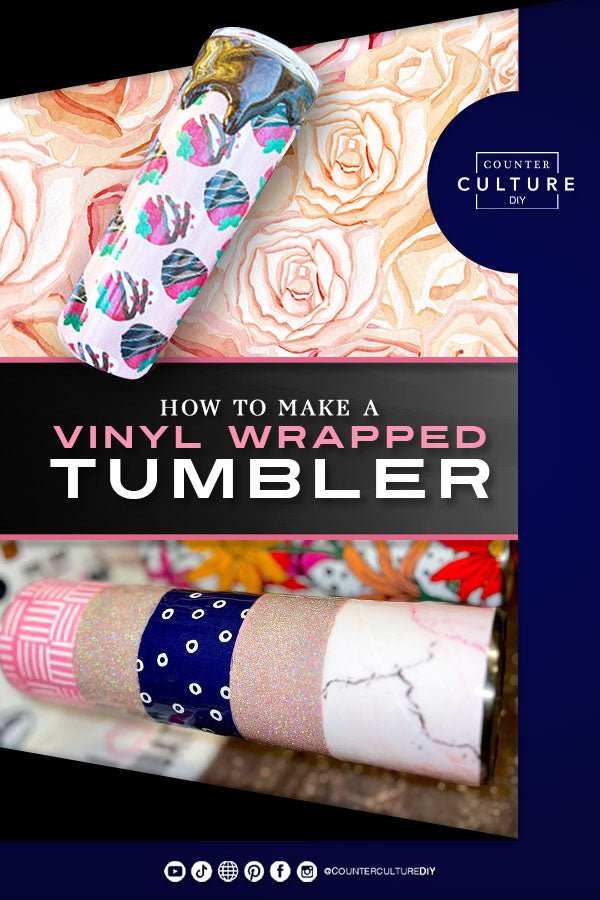
Credit: counterculturediy.com
Frequently Asked Questions
What Materials Are Needed For A Vinyl Wrap?
You need vinyl wrap sheets, a squeegee, a heat gun, a utility knife, and cleaning supplies. Proper surface prep and tools ensure a smooth application.
How Long Does It Take To Install A Vinyl Wrap?
Installation usually takes 1 to 3 days, depending on the vehicle size and complexity. Patience is key for a quality finish.
Can I Remove A Vinyl Wrap Without Damage?
Yes, vinyl wraps can be removed carefully using heat and peeling techniques. Proper removal protects the original paint underneath.
Is Vinyl Wrapping Better Than Painting A Car?
Vinyl wrapping is cheaper, faster, and reversible. It offers more design flexibility but may not last as long as paint.
Conclusion
Making a vinyl wrap takes patience and care. Follow each step slowly for the best results. Use the right tools and keep the surface clean. Small bubbles or wrinkles can be fixed with a heat gun. Practice helps you get better over time.
Enjoy the fresh look your wrap gives your vehicle or object. Vinyl wraps offer a simple way to change style without paint. Try it yourself and see how fun and rewarding it can be.


