
Is your vehicle acting sluggish or struggling to start? The culprit might be a clogged fuel filter.
When your fuel filter gets blocked, it can stop fuel from reaching your engine smoothly, causing performance problems. But don’t worry—unclogging a fuel filter is easier than you think, and you can often do it yourself without expensive repairs. You’ll discover simple, step-by-step tips to clear that fuel filter and get your engine running like new again.
Keep reading to learn how to bring back your vehicle’s power and avoid costly breakdowns.
Signs Of A Clogged Fuel Filter
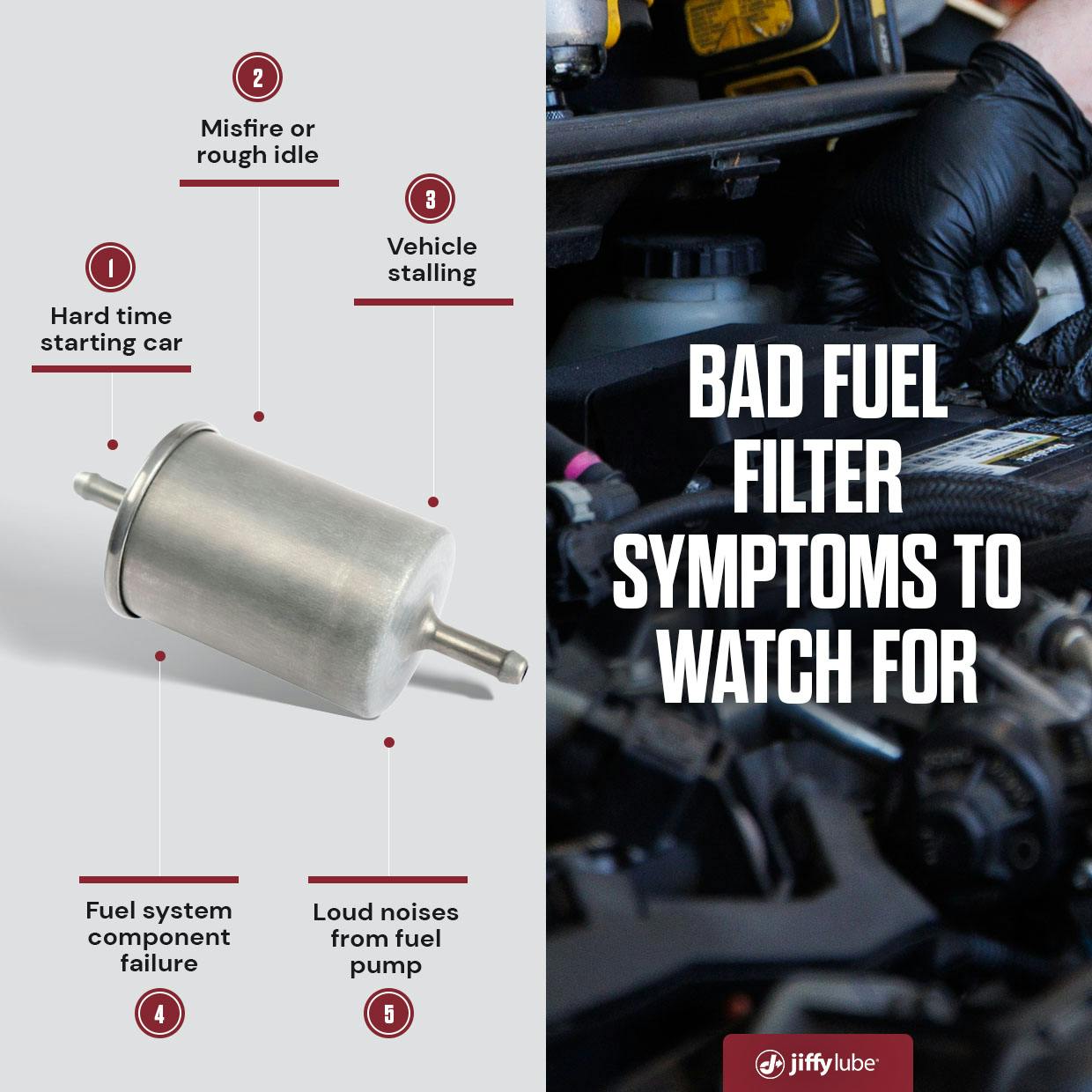
A clogged fuel filter can cause several problems in your vehicle. It stops the fuel from flowing freely to the engine. This blockage affects how the engine runs and can lead to serious damage if ignored. Recognizing the signs early helps you fix the problem quickly.
Reduced Engine Performance
The engine may lose power during acceleration. It might feel weaker than usual. This happens because less fuel reaches the engine. The car may struggle to climb hills or carry heavy loads. Poor fuel flow limits engine strength.
Difficulty Starting The Engine
The engine might take longer to start or fail to start at all. A clogged fuel filter restricts fuel supply. The engine needs enough fuel to ignite. Without it, starting becomes hard or impossible. You may hear the starter turning but no engine response.
Engine Stalling Or Hesitation
The engine can stall or hesitate while driving. This means it suddenly loses power or jerks. It happens when fuel flow is inconsistent. The engine may stall at idle or under load. Hesitation during acceleration is a clear warning.
Tools And Materials Needed
Unclogging a fuel filter requires specific tools and materials. Having the right items makes the job easier and safer. You can avoid damage and complete the task quickly. Below are the key tools and materials needed for this task.
Basic Hand Tools
Start with simple hand tools. A wrench or socket set helps loosen fuel lines. Pliers can remove clamps holding the filter. Screwdrivers might be necessary for some clamps or covers. Keep a clean rag handy to wipe spills. These tools are common in most toolkits.
Replacement Fuel Filter
Always have a new fuel filter ready. Filters get clogged and must be replaced. Using the exact type for your vehicle is important. Check your owner’s manual or filter label to match it. Installing a new filter ensures proper fuel flow and engine health.
Safety Equipment
Safety is crucial when working with fuel. Wear safety goggles to protect your eyes. Gloves prevent skin contact with fuel and dirt. Work in a well-ventilated area to avoid fumes. Keep a fire extinguisher nearby just in case. Safety gear protects you during the process.
Preparing Your Vehicle
Before you start unclogging a fuel filter, prepare your vehicle carefully. This step ensures safety and makes the process easier.
Taking time to prepare protects you and your vehicle from damage. Follow these steps to get ready.
Park On A Flat Surface
Choose a flat, stable spot to park your vehicle. Avoid slopes or uneven ground. This keeps the car steady while you work.
Engage the parking brake to prevent any movement. A stable vehicle reduces the risk of accidents.
Relieve Fuel System Pressure
Fuel systems hold pressure that can cause fuel spray. Release this pressure before you begin.
Locate the fuel pump fuse or relay and remove it. Then start the engine and let it run until it stops.
This step stops fuel flow and lowers pressure safely.
Disconnect The Battery
Disconnect the negative battery cable to avoid sparks. This prevents electrical shorts during your work.
Use a wrench to loosen the terminal clamp. Remove the cable carefully and set it aside.
Safety first. Always disconnect the battery before handling fuel parts.

Credit: www.wikihow.com
Locating The Fuel Filter
Finding the fuel filter is the first step to unclogging it. The filter blocks dirt and rust from reaching the engine. Knowing its location helps to check and clean it easily. Fuel filters come in different shapes and sizes. Their placement depends on the vehicle model and make.
Common Fuel Filter Locations
Fuel filters often sit along the fuel line. Many are near the fuel tank or under the vehicle. Some are inside the engine compartment. Others may be inside the fuel pump module. Look for a small, cylindrical part connected by two fuel lines. It may be metal or plastic. Sometimes, it has a glass bowl to catch debris. Checking these areas saves time and effort.
Consulting The Vehicle Manual
The vehicle manual is a helpful resource. It shows exact filter location for your model. Manuals include diagrams and instructions. They offer safety tips for handling fuel parts. Following the manual ensures no damage to the system. It also guides on removing and replacing the filter. Always keep the manual handy for reference.
Removing The Old Fuel Filter
Removing the old fuel filter is the first step in clearing clogs. This part traps dirt and debris from the fuel. Over time, it fills up and slows fuel flow. Taking out the old filter prepares the system for a new, clean one.
Care and safety are important during removal. Fuel is flammable and can spill easily. Follow these steps carefully to avoid problems.
Disconnecting Fuel Lines
Start by locating the fuel lines attached to the filter. Use pliers or a wrench to loosen the connectors. Pull the fuel lines off gently to prevent damage. Keep a rag nearby to catch any fuel drips. Remember to relieve fuel pressure before disconnecting to reduce spills.
Handling Fuel Spillage
Place a container or cloth under the filter to catch leaking fuel. Wipe any spills immediately to avoid slipping. Work in a well-ventilated area to avoid inhaling fumes. Wear gloves to protect your skin from fuel contact. Dispose of any soaked rags safely to prevent fire hazards.
Removing Mounting Brackets
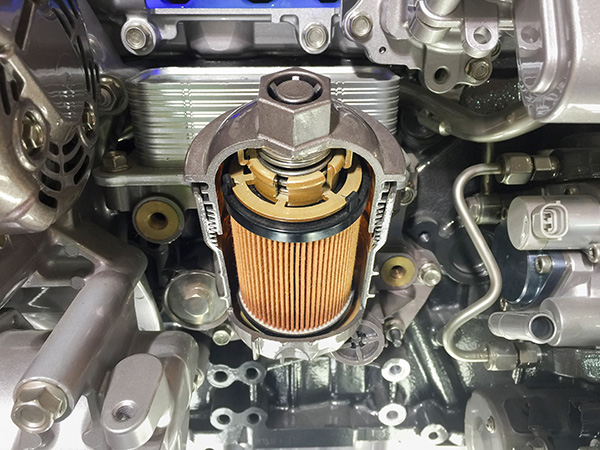
The fuel filter is held by mounting brackets or clips. Use a screwdriver or wrench to remove these fasteners. Keep screws and clips safe for reinstallation. Gently pull the filter free from its holder. Avoid forcing it to prevent breaking the mounting hardware.
Credit: www.autoworks-wa.com
Installing The New Fuel Filter
Installing the new fuel filter is a key step in keeping your engine running well. A fresh filter helps fuel flow smoothly and stops dirt from causing damage. Follow the right steps to fit the filter correctly. This ensures your vehicle works safely and efficiently.
Aligning Fuel Flow Direction
Check the new filter for an arrow or mark showing fuel flow direction. This arrow must point toward the engine. Installing the filter backward can block fuel flow. Make sure the arrow matches the old filter’s direction. Proper alignment avoids engine problems and keeps fuel moving freely.
Reconnecting Fuel Lines
Attach the fuel lines to the new filter carefully. Push the lines firmly onto the filter’s connectors. Use clamps or clips if your vehicle has them. Loose connections cause leaks or air in the system. Double-check both ends of the filter for tight fits. Secure lines help maintain steady fuel pressure.
Securing The Filter
Place the filter in its holder or bracket. Tighten any screws or fasteners to keep it stable. A loose filter can vibrate and wear out quickly. Make sure it does not move or twist. Proper securing prevents damage and keeps your fuel system safe.
Checking For Leaks And Testing
After unclogging a fuel filter, checking for leaks and testing ensures safe operation. This step confirms that fuel flows properly without any spills or damage. It helps prevent engine problems and keeps your vehicle running smoothly. Follow these simple steps to complete the process effectively.
Reconnecting The Battery
Start by reconnecting the battery terminals. Ensure the connections are tight and secure. This step restores power to the vehicle’s electrical system. Avoid loose connections to prevent starting issues. Use a wrench to tighten the battery clamps if needed.
Starting The Engine
Turn the ignition key to start the engine. Listen carefully for any unusual sounds. The engine should run smoothly without hesitation. If the engine stalls or struggles, there may still be a clog. Try starting the engine a few times to allow fuel to flow fully.
Inspecting For Fuel Leaks
Check the fuel filter and surrounding areas for leaks. Look for wet spots or the smell of fuel. Use a flashlight to inspect hard-to-see areas. Tighten any loose fittings or clamps found during inspection. Leaks can cause fire hazards and reduce engine efficiency.
Credit: www.jiffylube.com
Maintenance Tips To Prevent Clogs
Preventing fuel filter clogs helps keep your engine running smoothly. Regular care avoids costly repairs and downtime. Simple steps can extend the life of your fuel filter and improve fuel flow.
Regular Fuel Filter Replacement Schedule
Replace the fuel filter based on the vehicle’s manual. Most filters need changing every 20,000 to 40,000 miles. Sticking to this schedule stops dirt from building up. A clean filter means better engine performance and fuel efficiency.
Using Quality Fuel
Choose fuel from trusted stations only. Low-quality fuel often contains dirt and water. These impurities cause clogs and damage the filter. Using clean fuel keeps the filter cleaner for longer. It also protects the engine parts from wear.
Keeping Fuel Tank Clean
Check the fuel tank for dirt and rust regularly. Dirt in the tank can enter the fuel system. Clean the tank during major services or if problems arise. A clean tank prevents debris from clogging the filter and fuel lines.
Frequently Asked Questions
How Do You Know If A Fuel Filter Is Clogged?
Signs include engine misfires, reduced power, and poor fuel efficiency. Check for hard starts and stalling. These symptoms often indicate a clogged fuel filter needing attention.
Can I Unclog A Fuel Filter Myself?
Yes, with basic tools and safety precautions, you can unclog a fuel filter. However, replacing it is often more effective and recommended by experts.
What Tools Are Needed To Unclog A Fuel Filter?
You need wrenches, screwdrivers, pliers, and a container for fuel. Safety gloves and goggles are essential to protect yourself during the process.
How Often Should You Replace A Fuel Filter?
Replace every 20,000 to 40,000 miles, depending on your vehicle’s manual. Regular replacement prevents clogging and maintains engine performance.
Conclusion
Cleaning a fuel filter keeps your engine running smooth. Regular checks help avoid serious problems later. Use the right tools and take safety steps first. Small efforts save you money and time. Now you know how to unclog a fuel filter easily.
Keep your vehicle healthy and enjoy the ride. Simple care makes a big difference.

