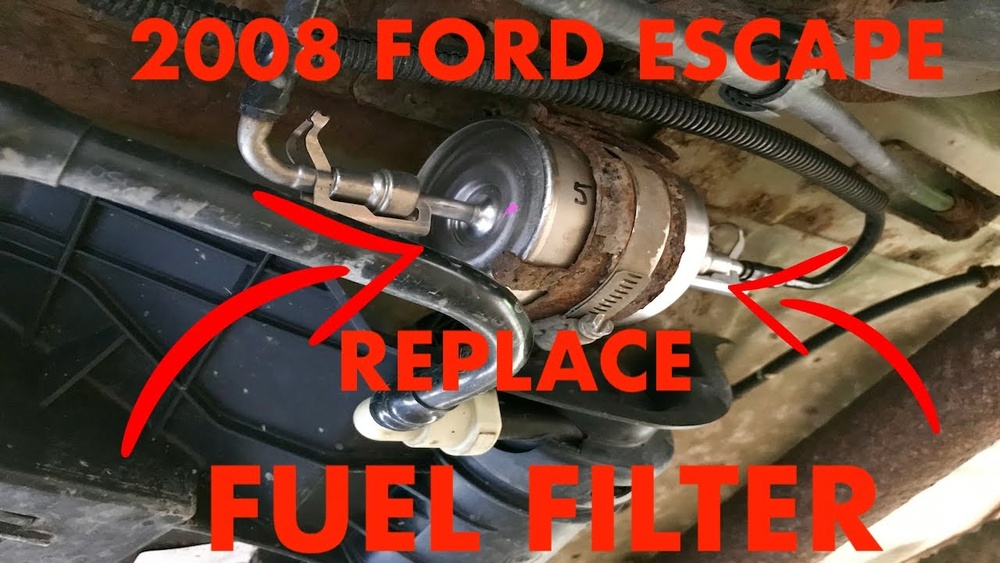
Have you ever wondered how a mechanic knows when your fuel filter is bad? It’s not always obvious, but a clogged or dirty fuel filter can cause serious problems for your car.
If you don’t catch it early, your engine might start to sputter, lose power, or even stall. You’ll discover the simple signs and tests mechanics use to spot a bad fuel filter before it becomes a costly issue. Keep reading to learn what to watch for and how to keep your car running smoothly.
Credit: www.youtube.com
Common Symptoms Of A Bad Fuel Filter
A bad fuel filter causes many car problems. It blocks fuel flow, making the engine work harder. Knowing the symptoms helps catch problems early. This saves time and money on repairs. Here are common signs of a bad fuel filter.
Engine Misfires And Stalling
Engine misfires happen when fuel cannot reach the engine properly. This causes the engine to run unevenly or stop suddenly. Stalling is a serious sign of fuel filter issues. The engine may stop during driving or idling.
Reduced Fuel Efficiency
A clogged fuel filter lowers fuel flow. The engine burns more fuel to keep running. This leads to poor gas mileage. You might notice you fill gas more often than before.
Difficulty Starting The Engine
Hard starts occur when the fuel filter blocks fuel supply. The engine turns over but takes longer to start. Sometimes it fails to start at all. This is a clear sign the fuel filter needs checking.
Unusual Engine Noises
Strange noises like sputtering or coughing can come from the engine. These sounds happen when fuel flow is irregular. A bad fuel filter causes the engine to struggle and make noise.
Physical Inspection Techniques
Physical inspection techniques help mechanics find problems in a fuel filter. This method does not need special tools. It gives quick clues about the filter’s condition. Mechanics can spot visible damage, clogging signs, and fuel contamination by looking closely.
Checking For Visible Damage
Mechanics first check the fuel filter’s outer surface. They look for cracks, dents, or broken parts. Damage shows the filter may not work well. A cracked filter can leak fuel or let dirt inside. Sometimes, the filter casing looks worn out or rusted. These signs mean the filter needs replacing.
Fuel Filter Clogging Indicators
Clogs slow fuel flow and cause engine trouble. Mechanics check the filter’s color and texture. A very dark or dirty filter often means clogging. They may tap or shake the filter to hear if debris moves inside. A clogged filter feels heavier than usual. This simple check helps decide if cleaning or replacement is needed.
Signs Of Fuel Contamination
Contaminated fuel damages the filter and engine. Mechanics open the filter to inspect fuel inside. Water, rust, or dirt in the fuel shows contamination. They also smell the fuel for unusual odors. A bad smell can mean stale or mixed fuel. Finding contamination early protects the engine from harm.
Diagnostic Tools Mechanics Use
Mechanics use special tools to check if a fuel filter is bad. These tools help find problems fast. They give clear information about the fuel system. Mechanics rely on these tools to avoid guesswork. The tools show if the fuel flows well and if the engine gets enough fuel. This helps keep cars running smoothly.
Fuel Pressure Gauge Testing
A fuel pressure gauge measures the fuel pressure in the fuel line. Low pressure often means a clogged fuel filter. The mechanic connects the gauge to the fuel system. The gauge shows the pressure reading while the engine runs. A steady, strong pressure means the filter is fine. A weak or dropping pressure signals a problem.
Flow Rate Measurement
Flow rate measurement checks how much fuel moves through the filter. The mechanic removes the filter and tests fuel flow. A slow flow means the filter is dirty or blocked. This test shows if fuel can reach the engine easily. It is a direct way to find a bad filter. Good flow means the fuel filter works well.
Scan Tool Error Codes
Scan tools read error codes from the car’s computer. Some codes relate to fuel delivery issues. Codes like P0087 or P0171 suggest fuel problems. These codes can point to a clogged fuel filter. Mechanics use scan tools to find hidden issues. The codes guide them to the right fix quickly.
Impact Of A Bad Fuel Filter On Vehicle Performance
The fuel filter plays an important role in keeping your vehicle’s engine clean. It stops dirt and debris from reaching the engine. When the fuel filter is bad, it affects how the vehicle runs. The engine may not get enough fuel, causing several problems.
Understanding these effects helps you notice issues early. It can save you money and prevent bigger damage. Below are some key ways a bad fuel filter impacts your car’s performance.
Effect On Engine Power
A clogged fuel filter reduces fuel flow to the engine. The engine may lose power during acceleration or climbing hills. Your car might feel weak or slow. This happens because the engine does not get enough fuel to run well. The vehicle could also stall or hesitate while driving.
Influence On Emission Levels
A bad fuel filter can make your vehicle produce more pollution. Poor fuel flow can cause incomplete burning in the engine. This raises harmful emissions like carbon monoxide. High emission levels can lead to failing an emissions test. It also harms the environment and wastes fuel.
Potential Damage To Fuel Pump
The fuel pump works harder if the filter is clogged. It tries to push fuel through a blocked filter. This extra strain can cause the pump to wear out faster. A damaged fuel pump is costly to fix. Replacing the fuel filter on time protects the pump and saves money.
Preventive Maintenance Tips
Preventive maintenance helps keep your vehicle running smoothly. It avoids costly repairs and extends engine life. A clean fuel filter is part of good maintenance. It keeps dirt and debris out of the fuel system. This section covers key tips to maintain your fuel filter properly.
Recommended Replacement Intervals
Changing the fuel filter regularly is important. Most car makers suggest replacing it every 20,000 to 40,000 miles. Check your vehicle’s manual for exact numbers. Following these intervals prevents clogging and fuel flow problems. Sticking to the schedule helps avoid engine issues.
Choosing Quality Fuel Filters
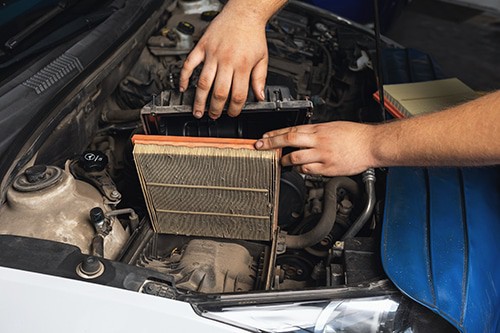
Use fuel filters from trusted brands only. Cheap filters may not trap dirt well. They can let debris enter the fuel system. This causes engine damage and reduces performance. Look for filters that fit your car model perfectly. Quality filters last longer and protect your engine better.
Signs To Watch Between Services
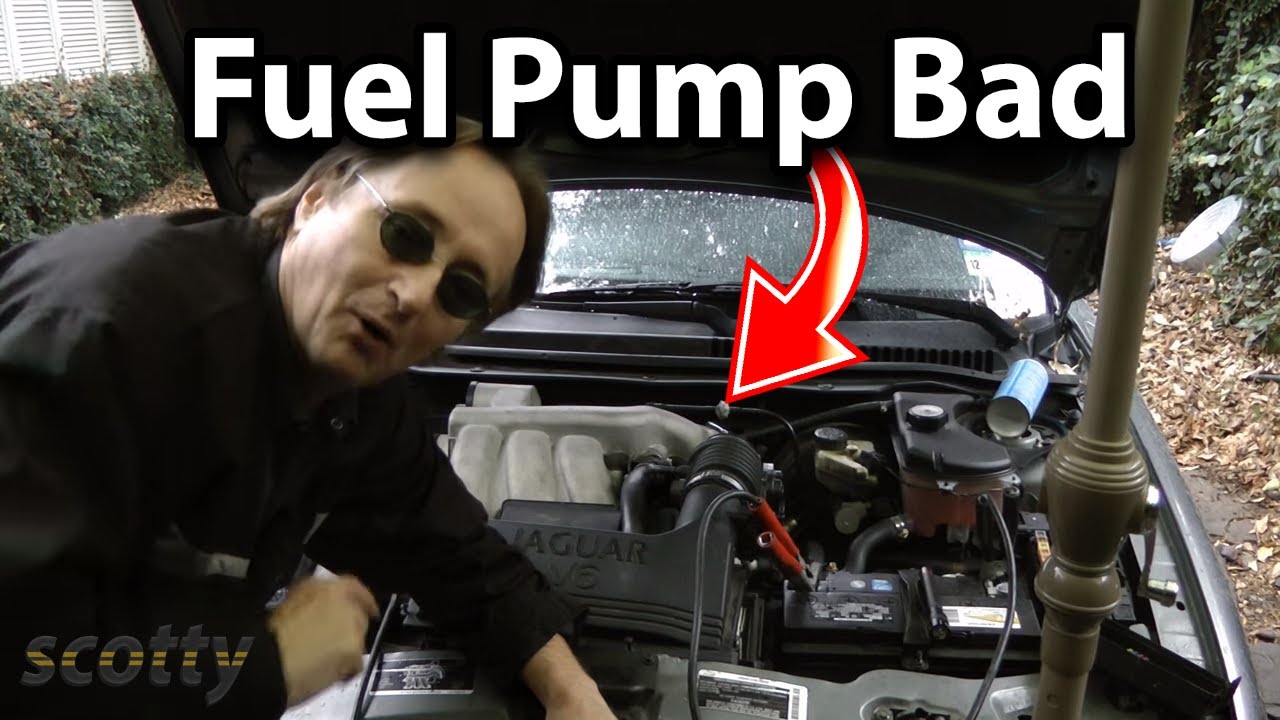
Watch for signs of a bad fuel filter before service time. Engine stalling or rough idling can be clues. You might notice poor acceleration or loss of power. Strange noises from the fuel pump also signal trouble. Catching these early can save money and time.

Credit: www.youtube.com
Credit: littlewolfauto.com
Frequently Asked Questions
How Does A Mechanic Check A Bad Fuel Filter?
A mechanic inspects fuel flow and pressure to identify blockages. They may also test engine performance for signs of fuel restriction.
What Symptoms Indicate A Clogged Fuel Filter?
Symptoms include engine hesitation, stalling, poor acceleration, and difficulty starting. These signs suggest the fuel filter may be dirty or blocked.
Can A Mechanic Test Fuel Filter Pressure?
Yes, they use a fuel pressure gauge to measure pressure drop. Low pressure often means the fuel filter is clogged and needs replacement.
How Often Should A Fuel Filter Be Replaced?
Typically, every 20,000 to 40,000 miles, depending on vehicle type. Regular replacement prevents fuel flow issues and maintains engine performance.
Conclusion
A mechanic checks the fuel filter by noticing engine problems. Dirty or clogged filters cause poor car performance and stalling. They also look for leaks or unusual noises near the filter. Simple tests and inspections help find the problem fast.
Knowing these signs helps keep your car running smooth. Regular filter checks prevent bigger engine troubles later. Trust a mechanic to spot issues before they get worse. Clean fuel filters mean better fuel flow and engine life. Don’t ignore warning signs; a quick check saves time and money.