

You rely on your vehicle every day, and keeping it running smoothly is probably high on your list. One small part that plays a big role in your engine’s health is the fuel filter.
But how often do you really need to change it? Ignoring this simple maintenance step could lead to costly repairs or poor performance. You’ll discover exactly when and why you should replace your fuel filter to keep your car running at its best.
Stay with me, and you’ll learn the key signs to watch for and easy tips to protect your engine’s heart.
Role Of A Fuel Filter
The fuel filter plays a key role in your vehicle’s fuel system. It keeps the fuel clean by trapping dirt and debris. Clean fuel helps the engine run smoothly and last longer.
Fuel filters protect the engine from damage caused by particles in the fuel. Without a working filter, these particles can clog fuel injectors and harm engine parts. This can lead to poor engine performance and costly repairs.
Fuel Filter Function
The fuel filter removes dirt, rust, and other particles from the fuel. It stops these contaminants from reaching the engine. Clean fuel helps the engine burn fuel efficiently. This keeps your car running well and saves fuel.
The filter also protects the fuel pump. A clogged filter makes the pump work harder, which can cause it to fail. Changing the fuel filter regularly keeps the fuel system healthy and working right.
Impact On Engine Performance
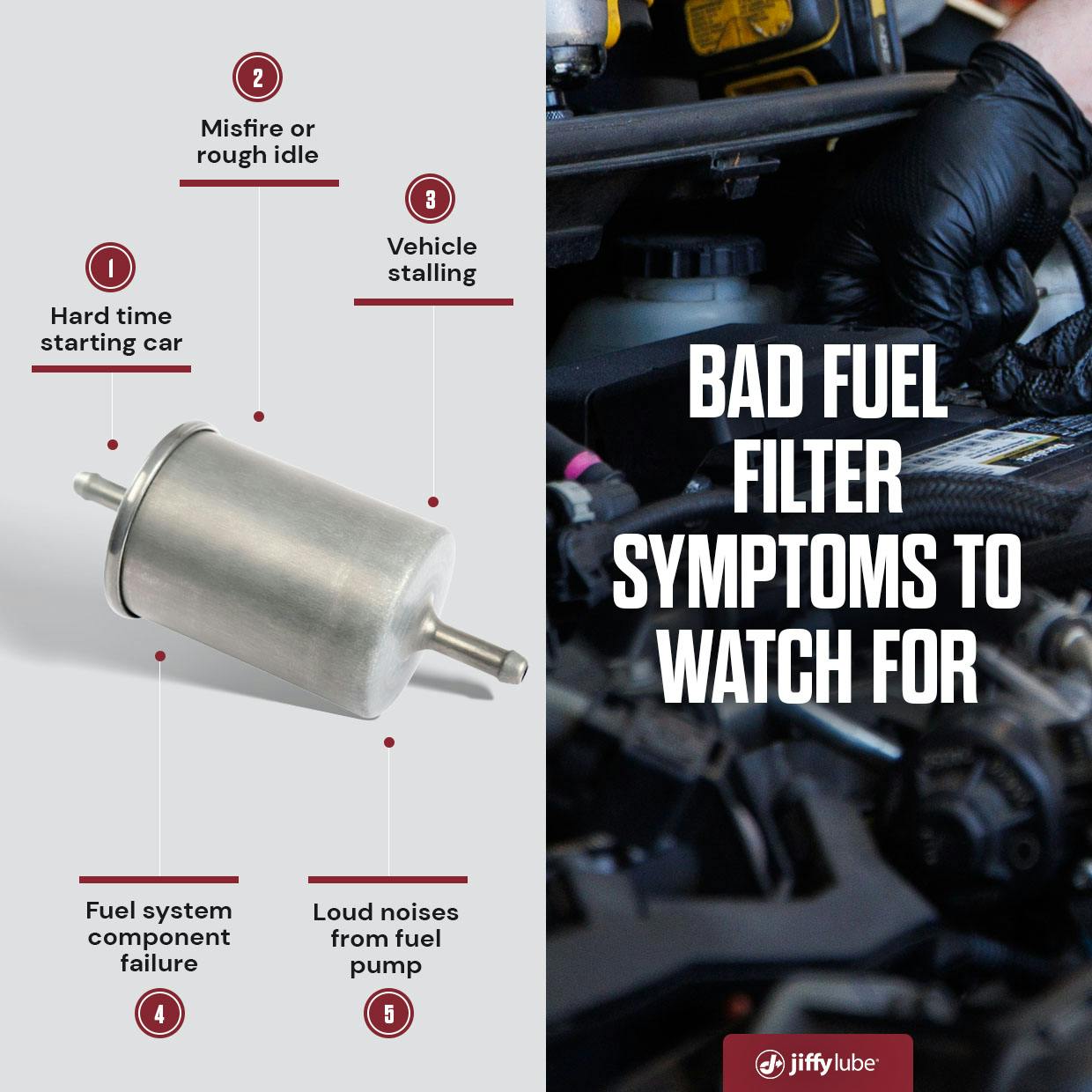
A dirty fuel filter can reduce engine power and cause rough idling. The engine may hesitate or stall during acceleration. This happens because less clean fuel reaches the engine.
Replacing the fuel filter improves fuel flow and engine response. It helps the engine start easily and run smoothly. Good engine performance depends on clean fuel and a clear filter.
Signs Of A Clogged Fuel Filter
A clogged fuel filter can cause several noticeable problems in your vehicle. These issues often signal that the filter needs changing. Recognizing these signs early helps prevent serious engine damage. Below are common symptoms of a blocked fuel filter.
Engine Misfires And Stalls
A clogged fuel filter restricts fuel flow to the engine. This causes the engine to misfire or stall unexpectedly. You might feel jerks or sudden stops while driving. The engine may hesitate during acceleration, making driving unsafe.
Reduced Fuel Efficiency
When fuel flow is limited, the engine works harder to perform. This extra effort lowers fuel efficiency. Your car may use more gas than usual. Watch for frequent visits to the gas station without much driving.
Difficulty Starting The Engine
A blocked fuel filter can make starting the engine tough. The engine may crank longer before starting or fail to start at all. This happens because the engine does not get enough fuel to ignite. Repeated hard starts are a clear warning sign.
Recommended Replacement Intervals
Knowing how often to change the fuel filter helps keep your car running well. The right timing stops dirt from reaching the engine. It also protects fuel system parts from damage. Follow the recommended replacement intervals to avoid car trouble.
Manufacturer Guidelines
Car makers set the best schedule for fuel filter changes. This information is in the owner’s manual. Most suggest replacing the filter every 20,000 to 40,000 miles. Some newer models use filters that last longer. Always check your vehicle’s specific guide for accurate advice.
Factors Affecting Replacement Frequency
Driving conditions can change how often you need a new filter. Dusty or rough roads cause faster clogging. Short trips may also reduce filter life. Poor-quality fuel can dirty the filter quickly. Pay attention to these factors and adjust your schedule as needed.
Credit: www.jiffylube.com
Types Of Fuel Filters
Fuel filters play a key role in keeping your vehicle’s engine clean. They stop dirt, rust, and other particles from entering the fuel system. Different types of fuel filters exist, each with unique designs and benefits. Understanding these types helps you know how often they need changing.
In-line Fuel Filters
In-line fuel filters are placed directly in the fuel line. They catch dirt before fuel reaches the engine. These filters are common in older cars and some modern models. They usually need replacing every 20,000 to 30,000 miles. Checking them regularly helps prevent engine problems.
Cartridge Fuel Filters
Cartridge fuel filters have a replaceable inner element inside a metal or plastic housing. They are often found in newer vehicles. Changing the cartridge is simple and keeps the fuel system clean. These filters typically last between 25,000 and 40,000 miles. Regular changes improve fuel efficiency.
Lifetime Fuel Filters
Lifetime fuel filters are designed to last the vehicle’s life. They use advanced materials to resist clogging. These filters require little to no maintenance. However, it is important to monitor fuel quality. Poor fuel can reduce their lifespan and harm the engine.
How To Change A Fuel Filter
Changing the fuel filter is a simple task that anyone can do. It keeps your engine clean and running well. A clogged filter can cause poor fuel flow and engine problems. Follow these steps to replace your fuel filter safely and correctly.
Tools Needed
- New fuel filter suitable for your vehicle
- Wrench set or socket set
- Screwdrivers (flathead and Phillips)
- Fuel line disconnect tool (if required)
- Rags or paper towels
- Safety gloves and eye protection
- Container to catch fuel spills
Step-by-step Replacement Process
- Park your car on a flat surface and turn off the engine.
- Relieve fuel system pressure by removing the fuel pump fuse or relay.
- Locate the fuel filter, usually along the fuel line under the car or near the engine.
- Place the container underneath to catch any fuel spills.
- Use the wrench or disconnect tool to remove the fuel lines from the filter.
- Remove the old fuel filter carefully and note its direction for fuel flow.
- Install the new fuel filter in the correct direction.
- Reconnect the fuel lines securely.
- Replace the fuel pump fuse or relay.
- Start the engine and check for leaks.
Safety Precautions
- Work in a well-ventilated area to avoid inhaling fumes.
- Wear gloves to protect your hands from fuel.
- Use eye protection to guard against splashes.
- Keep a fire extinguisher nearby for emergencies.
- Avoid smoking or open flames near the fuel system.
- Dispose of the old fuel filter properly according to local rules.
Benefits Of Regular Fuel Filter Changes
Changing the fuel filter regularly keeps your vehicle running smoothly. The fuel filter stops dirt and rust from reaching the engine. Over time, the filter gets clogged and can’t do its job well. This leads to many problems. Regular changes help avoid these issues and keep the car healthy.
Enhanced Engine Longevity
A clean fuel filter protects the engine parts. Dirt and debris can cause wear and tear inside the engine. Changing the filter prevents this damage. The engine runs with less strain and lasts longer. It also lowers the chance of costly repairs.
Improved Fuel Economy
A clogged fuel filter limits fuel flow to the engine. The engine works harder and uses more fuel. A fresh filter allows fuel to flow smoothly. This helps the engine burn fuel efficiently. You save money by using less fuel on every trip.
Reduced Emissions
A dirty fuel filter makes the engine burn fuel poorly. This causes more smoke and harmful gases. Changing the filter helps the engine run cleaner. Cleaner running means fewer emissions. It is better for the environment and meets emission rules.
Common Myths About Fuel Filters
Many people misunderstand fuel filters and their care. Myths about fuel filters cause confusion and poor maintenance. Knowing the truth helps keep your vehicle running well. It also saves money on repairs and fuel.
Fuel Additives Vs. Filter Replacement
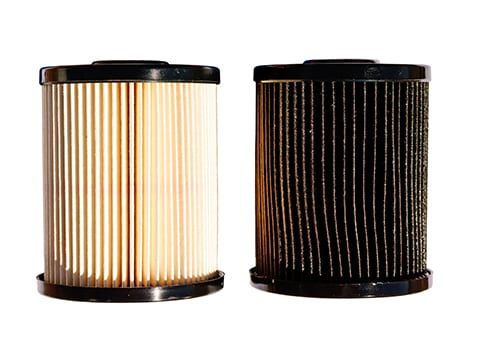
Some believe fuel additives can replace fuel filters. Additives may clean some parts of the fuel system. They do not remove dirt caught by the filter. Filters stop particles that damage the engine. Replacing the filter is still needed for good engine health.
Ignoring Fuel Filter Maintenance
Ignoring the fuel filter can cause serious engine problems. A clogged filter reduces fuel flow and engine power. It may cause the engine to stall or not start. Regular filter changes prevent these issues. Skipping maintenance can lead to costly repairs later.

Credit: kbmotorsports.biz
Credit: www.waynesautocenter.com
Frequently Asked Questions
How Often Should I Replace My Car’s Fuel Filter?
Most experts recommend changing the fuel filter every 20,000 to 40,000 miles. Check your owner’s manual for specific intervals. Regular replacement prevents clogs and maintains engine performance. Delaying changes can lead to poor fuel efficiency and engine issues.
What Are Signs Of A Clogged Fuel Filter?
Common signs include engine misfires, stalling, reduced power, and difficulty starting. A clogged filter restricts fuel flow, affecting engine performance. If you notice these symptoms, inspect and replace the fuel filter promptly to avoid costly repairs.
Can I Change The Fuel Filter Myself?
Yes, if you have basic mechanical skills and proper tools, you can replace the fuel filter. Always relieve fuel system pressure before starting. Follow your vehicle’s manual instructions carefully to ensure safety and correct installation.
Does Fuel Type Affect Fuel Filter Lifespan?
Yes, using low-quality or contaminated fuel can clog filters faster. Premium fuels often contain fewer impurities, extending filter life. Regular filter checks are essential, especially if you use different fuel types or buy fuel from various sources.
Conclusion
Changing your fuel filter keeps your engine running smoothly. A clean filter stops dirt from reaching important parts. Most cars need a change every 20,000 to 40,000 miles. Check your owner’s manual for exact advice. Signs like rough idling or poor fuel economy mean it’s time.
Don’t wait too long; a clogged filter can cause damage. Regular changes save money and prevent bigger repairs. Stay on top of maintenance for a healthy vehicle. Simple steps make a big difference in car care.


