

You want your white car to shine like new, but waxing it can feel tricky. How do you keep that bright color looking fresh without streaks or smudges?
If you’ve ever struggled with waxing your white car, you’re not alone. The good news is, with the right steps, you can easily protect your paint and boost its shine. Keep reading, and you’ll discover simple tips that make waxing your white car a breeze—and help it turn heads wherever you go.
Preparing The Car
Preparing your white car before waxing is an important step. It helps the wax stick better and last longer. A clean, dry surface makes a big difference. Take your time with each step to get the best results.
Start by making sure the car is spotless and ready for wax. Follow these simple steps for a perfect finish.
Wash Thoroughly
Use a gentle car shampoo and plenty of water. Clean every part of the car, including the wheels and under the doors. Dirt and grime can ruin the wax job. Rinse the car well to remove all soap. Avoid using household detergents as they can strip paint protection.
Dry Completely
Use a clean microfiber towel to dry the car. Avoid air drying because water spots can form. Pat the surface gently to avoid scratching. Make sure there is no moisture left on the car before waxing.
Inspect For Imperfections
Look closely for scratches, swirl marks, or stains. Wax will highlight these flaws if not fixed. Use a clay bar or polish to smooth the surface if needed. A clean and smooth surface helps the wax shine better.
Credit: www.youtube.com
Choosing The Right Wax
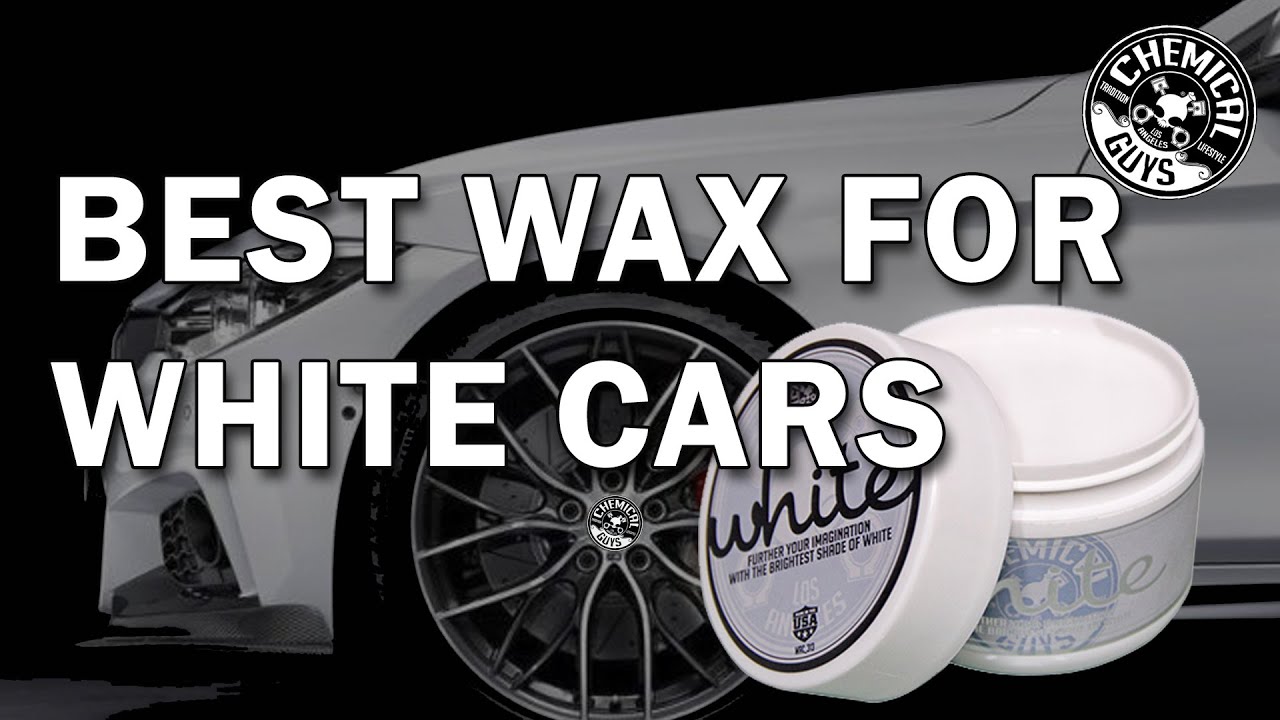
Choosing the right wax for a white car is very important. The right wax protects the paint and keeps the car shining bright. It also hides small scratches and prevents dirt from sticking. Picking a wax made for white paint helps keep the color true and fresh.
Types Of Car Wax
There are three main types of car wax: natural, synthetic, and paste. Natural wax comes from carnauba leaves. It gives a deep shine but wears off faster. Synthetic wax lasts longer and protects better from weather. Paste wax is thick and easy to apply. It can give a strong shine but needs more effort to spread evenly.
Wax Suitable For White Paint
White paint needs wax that does not change its color. Clear or white waxes work best. These waxes do not add yellow or any tint. Choose waxes labeled safe for light or white paint. They help keep the paint bright and avoid dullness. Some waxes also hide swirl marks and small scratches well.
Tools Needed
Using the right tools makes waxing easier and cleaner. Soft microfiber cloths help spread and buff the wax gently. Foam applicator pads are good for applying wax evenly. Avoid rough cloths that can scratch the paint. A clean bucket with water and car soap helps wash the car before waxing. A hose or spray bottle is useful for rinsing dirt off.
Waxing Techniques
Waxing your white car needs good techniques to make it shine. The right way helps protect the paint and keeps the car looking clean. Use simple steps for a smooth and even coat. These tips make waxing easier and better.
Applying Wax Evenly
Put a small amount of wax on a soft cloth or applicator pad. Spread it in thin, even layers over the car’s surface. Avoid thick spots or clumps. Even application helps the wax dry faster and polish better. Take your time to cover all parts well.
Working In Small Sections
Divide the car into small areas like doors or panels. Work on one section before moving to the next. This method stops the wax from drying too fast. It also lets you focus on each area for better coverage. Finish one part fully before going ahead.
Using Circular Motions
Rub the wax in small circles with gentle pressure. Circular motions spread the wax evenly and help it stick to the paint. This technique avoids streaks and uneven spots. Keep your movements steady and smooth for the best finish.
Buffing To Shine
Buffing is the final step to make your white car look shiny and new. It removes leftover wax and smooths the surface. This step brings out the car’s true shine. Proper buffing protects the wax and the paint underneath. It also helps avoid streaks and uneven spots. Buffing takes a little effort but shows big results.
When To Buff
Buff your car after the wax has dried. The wax should feel hazy or cloudy. This means it is ready to be polished off. Wait about 10 to 15 minutes after applying wax. Avoid buffing too soon or too late. Buffing at the right time ensures the best shine.
Best Tools For Buffing
Use a clean, soft microfiber cloth for buffing. Microfiber is gentle and won’t scratch the paint. Some people prefer foam applicator pads for better control. Avoid rough or dirty cloths to protect your car’s surface. Machine buffers work well for large areas but require care.
Achieving A Streak-free Finish
Buff in small, circular motions. This helps spread the wax evenly. Use light pressure to avoid removing wax too fast. Change cloth sides often to keep it clean. Finish with gentle long strokes for a smooth look. Check your work in daylight to spot streaks.
Maintaining The Shine
Keeping the shine on a white car takes effort after waxing. The wax protects the paint but needs care to last longer. Regular attention helps the white color stay bright and clean. Simple steps can keep your car looking fresh and glossy.
Regular Washing Tips
Wash your car often to remove dirt and dust. Use a mild soap made for cars, not household cleaners. Rinse well to avoid soap spots on the paint. Dry the car with a soft cloth to stop water marks.
Touch-up Waxing
Apply wax again every few weeks for best results. Use small amounts and spread evenly on clean surfaces. Focus on spots that see more sun or dirt. This helps keep the protective layer strong and the shine bright.
Protecting Against Elements
Park your car in shade or a covered area. Sunlight can dull the wax and paint over time. Rain and dust can also reduce shine quickly. Use a car cover if no shade is available to protect the surface.

Credit: www.youtube.com
Common Mistakes To Avoid
Waxing a white car can make it shine beautifully. Avoiding common mistakes helps keep the car looking great longer. These errors can cause streaks, spots, and uneven shine. Learn what to avoid for the best results.
Waxing In Direct Sunlight
Waxing under bright sunlight dries the wax too fast. It becomes hard to spread evenly. This leads to patchy areas and streaks on the paint. The heat can also cause the wax to melt and lose its effect. Always wax in a shaded spot or indoors.
Using Too Much Wax
Applying too much wax does not mean better protection. Thick layers take longer to dry and remove. It can leave a cloudy, sticky finish on the car’s surface. Use a thin, even layer instead. This helps the wax bond well with the paint.
Skipping Drying Steps
Not letting the car dry properly before waxing is a big mistake. Water spots can trap under the wax and cause marks. Always dry the car fully with a clean microfiber towel. This ensures the wax sticks only to the paint, giving a smooth finish.
Credit: www.torquedetail.com
Frequently Asked Questions
How Often Should I Wax A White Car?
Wax a white car every 3 to 4 months. This frequency protects the paint and enhances shine. Regular waxing prevents dirt buildup and oxidation. It keeps the white color bright and fresh. Adjust frequency based on weather and driving conditions.
What Type Of Wax Is Best For White Cars?
Use a clear or light-colored paste wax for white cars. These waxes enhance brightness without altering the paint color. Avoid tinted waxes that may leave unwanted hues. Carnauba-based waxes offer great protection and a glossy finish. Always choose high-quality wax for best results.
Can Waxing Remove Scratches On A White Car?
Waxing does not remove deep scratches. It can fill minor surface scratches temporarily, making them less visible. For deeper scratches, use a scratch remover or professional repair. Regular waxing protects against new scratches and environmental damage. Always inspect before waxing to assess scratch severity.
Should I Wash My White Car Before Waxing?
Yes, always wash your white car before waxing. Cleaning removes dirt, grime, and contaminants that can scratch paint during waxing. Use a gentle car shampoo and soft cloth or sponge. Dry the car thoroughly before applying wax for even coverage and better results.
Conclusion
Waxing a white car keeps it bright and clean. It protects the paint from dirt and sun damage. Use gentle, circular motions to apply wax evenly. Let the wax dry before buffing for a smooth finish. Regular waxing helps your car look new longer.
Take your time, and enjoy the shine. A well-waxed car shows care and pride. Try waxing every few months for best results. Simple steps make a big difference in car care.


