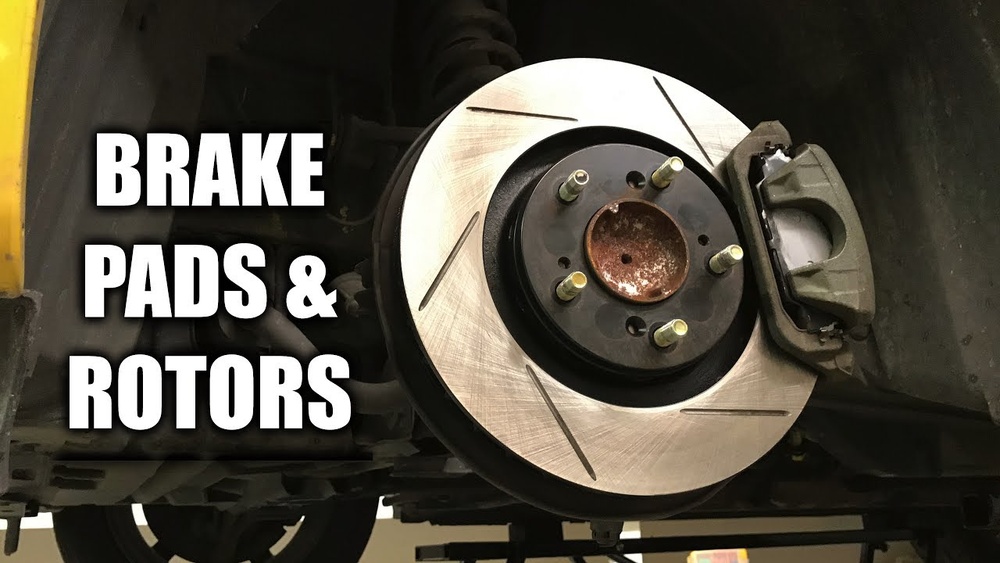
If your car’s brakes are making noise, feeling less responsive, or vibrating when you stop, it might be time to replace your brake pads, rotors, and calipers. Knowing how to do this yourself can save you money and give you confidence behind the wheel.
In this guide, you’ll learn simple, step-by-step instructions to replace these crucial parts safely and effectively. By the end, you’ll understand how to keep your brakes in top shape and ensure your safety on the road. Ready to take control of your car’s braking system?
Let’s get started.
Tools And Materials Needed
Replacing brake pads, rotors, and calipers requires specific tools and materials. Having the right equipment makes the job easier and safer. Prepare everything before starting to avoid interruptions.
Essential Tools
You need a jack and jack stands to lift your vehicle safely. A lug wrench helps remove the wheel nuts. A socket set and wrenches are necessary to take off bolts holding the brake parts. A C-clamp or brake caliper tool pushes the caliper pistons back. Brake cleaner removes dirt and brake dust. A torque wrench ensures bolts tighten to the correct strength.
Choosing Replacement Parts
Select brake pads, rotors, and calipers that fit your car model. Check the vehicle manual or use online guides to find exact matches. Quality matters for safety and performance. Avoid cheap parts that wear out quickly or cause damage. Pick parts from trusted brands or suppliers.
Safety Gear
Protect your eyes with safety glasses. Gloves keep your hands clean and safe from sharp edges. Wear a dust mask to avoid inhaling brake dust. Use closed-toe shoes to protect your feet. Keep a first aid kit nearby in case of minor injuries.
Preparing Your Vehicle
Preparing your vehicle is the first step in replacing brake pads, rotors, and calipers. This step ensures safety and makes the process smoother. Taking time to prepare helps avoid accidents and damage to your car. Follow these simple steps carefully before starting the repair.
Securing The Vehicle
Park your car on a flat, stable surface. Engage the parking brake to stop movement. Place wheel chocks behind the wheels still on the ground. This prevents your car from rolling. Turn off the engine and remove the keys. Safety first.
Removing The Wheel
Loosen the lug nuts slightly before lifting the car. Use a jack to raise the vehicle at the recommended lifting points. Secure the car with jack stands for extra safety. Remove the lug nuts completely and take the wheel off. Keep the lug nuts safe for later use.
Removing Old Brake Components
Removing old brake parts is the first step in brake repair. It helps you see the worn pieces clearly. This process makes space for new parts. Proper removal ensures safety and avoids damage to other components.
Taking Off The Caliper
Start by loosening the bolts holding the caliper. Use a wrench that fits well to avoid slipping. Gently pull the caliper away from the rotor. Do not let it hang by the brake hose. Support it with a hook or a piece of wire.
Removing Brake Pads
Brake pads sit inside the caliper bracket. Slide them out carefully without forcing. Check for any clips or pins that hold them in place. Remove these parts first to free the pads. Note their position for correct reinstallation.
Detaching The Rotor
Rotors may have screws or clips securing them. Remove these fasteners before pulling the rotor. If stuck, tap the rotor gently with a rubber mallet. Avoid hitting hard to prevent damage. Once loose, pull the rotor straight off the hub.
Inspecting Brake Parts
Before replacing brake pads, rotors, and calipers, inspecting each part is crucial. This step ensures safety and helps identify worn or damaged components. Careful inspection prevents future brake problems and saves money.
Checking Caliper Condition
Start by examining the brake calipers closely. Look for leaks or cracks on the caliper body. Check if the piston moves smoothly without sticking. Rust or corrosion can cause caliper failure. Ensure the caliper slides freely on its pins. Worn or damaged calipers need replacement to maintain brake function.
Assessing Rotor Wear
Next, inspect the brake rotors for any damage. Look for deep grooves or scoring on the surface. Measure rotor thickness with a micrometer to confirm it meets minimum specs. Warped rotors cause vibration during braking. If rotors are uneven or too thin, replace them immediately.
Evaluating Brake Pads
Finally, check the brake pads for wear and tear. Pads thinner than 3 millimeters must be replaced. Uneven pad wear can indicate caliper or rotor issues. Inspect for cracks or chunks missing from the pad material. Good brake pads ensure smooth and safe stopping power.
Installing New Rotors
Installing new rotors is a key step in brake repair. Proper installation ensures smooth braking and safety. This section guides you through the process with clear steps.
Cleaning The Hub
Start by cleaning the hub surface. Dirt and rust can cause rotor wobble. Use a wire brush or sandpaper to remove all debris. Wipe the area with a clean cloth. A clean hub helps the rotor sit evenly.
Mounting The Rotor
Place the new rotor on the hub carefully. Align the rotor holes with the hub studs. Press the rotor firmly against the hub. Secure it temporarily with lug nuts to hold it in place. This step keeps the rotor steady for caliper installation.
Replacing Brake Pads
Replacing brake pads is an important step in maintaining your vehicle’s braking system. Worn pads reduce stopping power and can damage other parts. Changing them improves safety and driving comfort. The process is straightforward with the right tools and care.
Preparing The Caliper
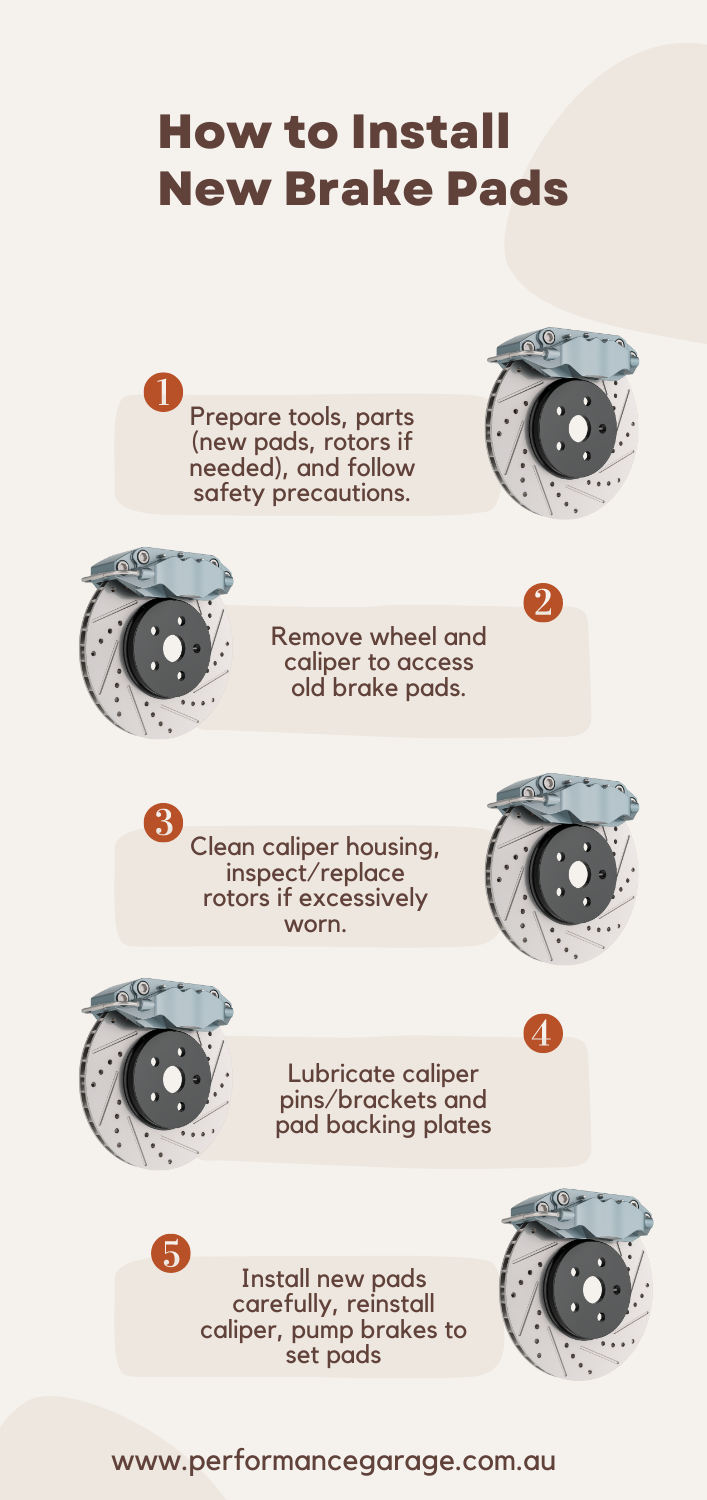
Start by removing the old brake pads from the caliper. Use a wrench to loosen the caliper bolts carefully. Lift the caliper away from the rotor without damaging the brake line. Compress the caliper piston with a C-clamp or brake tool. This makes space for the new brake pads to fit properly.
Inserting New Pads
Place the new brake pads into the caliper bracket. Make sure the pads sit evenly and align with the rotor surface. Check for any clips or shims and install them as needed. Reattach the caliper over the new pads and tighten the bolts firmly. Test the brake pedal to ensure proper pad contact and feel before driving.
Installing New Calipers
Installing new calipers is a key step in brake replacement. It ensures proper brake function and safety. The caliper holds the brake pads and presses them against the rotor to stop the car. Careful installation prevents leaks and uneven wear.
Attaching The Caliper
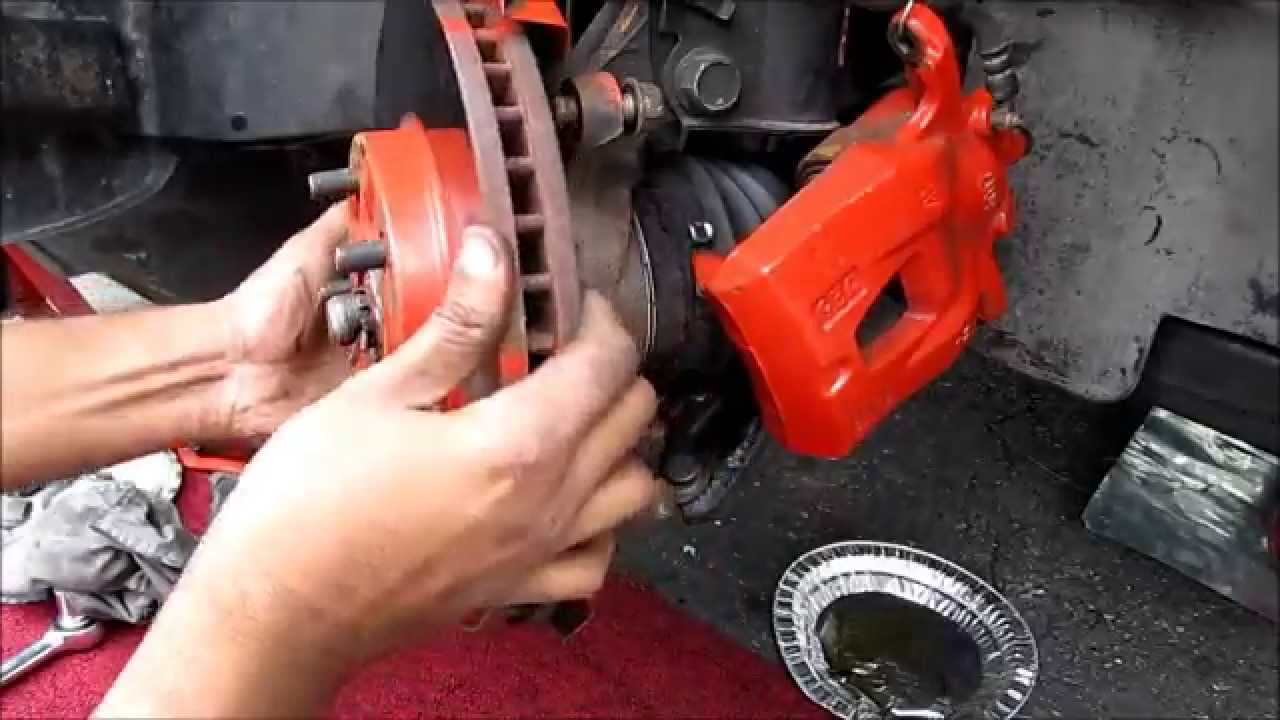
Place the new caliper over the rotor carefully. Align the mounting holes with the bracket on the wheel hub. Insert the caliper bolts by hand to avoid cross-threading. Tighten the bolts with a wrench to the manufacturer’s torque specs. Check if the caliper moves freely on its slides. This movement allows the brake pads to press evenly.
Connecting Brake Lines
Attach the brake line to the caliper fitting. Use a new copper washer to prevent leaks. Tighten the brake line fitting with a wrench but do not over-tighten. Brake lines carry hydraulic fluid to the caliper. Any leak here causes brake failure. After connecting, bleed the brake system to remove air. This step restores firm brake pedal feel and proper braking power.
Credit: www.youtube.com
Reassembling The Wheel
Reassembling the wheel is the final step after replacing brake pads, rotors, and calipers. This process must be done carefully to ensure safety and proper function. Proper reassembly helps the wheel stay firmly in place and prevents any issues while driving.
Take your time to follow each step correctly. Check all parts before securing the wheel back on the vehicle. This ensures everything fits perfectly and works well.
Securing The Wheel
Place the wheel onto the hub, aligning the holes with the studs. Hand-tighten the lug nuts to hold the wheel in place. Tighten them in a star pattern to distribute pressure evenly. Use a torque wrench to tighten lug nuts to the manufacturer’s specifications. This prevents over-tightening or under-tightening, which can cause problems later.
Lowering The Vehicle
Slowly lower the vehicle using the jack until the wheel touches the ground. Remove the jack carefully to avoid sudden movements. Once on the ground, tighten the lug nuts again with the torque wrench. This final step ensures the wheel is secure and safe for driving. Double-check all nuts for tightness before driving away.
Testing The Brakes
Testing the brakes is a vital step after replacing brake pads, rotors, and calipers. It confirms the system works well and keeps you safe on the road. Proper testing helps spot issues early before driving at higher speeds.
Brake testing involves checking the brake fluid level and performing a brake test. Both steps ensure the brakes respond correctly and have no leaks or air inside the brake lines.
Checking Brake Fluid
Open the hood and find the brake fluid reservoir. It is usually near the back of the engine bay. Look at the fluid level against the marks on the container. The fluid should be between the minimum and maximum lines.
Low brake fluid can cause poor braking or a soft brake pedal. Top up with the correct brake fluid type if needed. Do not mix different fluid types. Check for leaks around the brake lines and calipers as well.
Performing Brake Test
Start the car and press the brake pedal several times. The pedal should feel firm, not spongy or soft. Next, drive slowly in a safe, open area. Press the brake pedal gently at first, then harder.
The car should stop smoothly without pulling to one side. Listen for unusual noises like grinding or squealing. If the brakes feel odd or noisy, recheck the installation before driving further.
Credit: performancegarage.com.au
Tips For Maintenance
Proper maintenance keeps your brake pads, rotors, and calipers working well. It helps avoid costly repairs and improves safety. Follow simple tips to extend the life of your brake parts.
Regular Inspections
Check your brakes often. Look at the pads, rotors, and calipers for any damage or dirt. Clean parts help brakes work smoothly. Regular checks find problems early. You can do this yourself or ask a mechanic.
Signs Of Wear
Listen for squeaking or grinding sounds when braking. These sounds mean parts may be worn out. Also, notice if your car pulls to one side or the brake pedal feels soft. These signs show it’s time to replace brake parts.

Credit: vatire.com
Frequently Asked Questions
How Often Should Brake Pads Be Replaced?
Brake pads typically need replacement every 30,000 to 70,000 miles. Factors like driving habits and vehicle type affect this. Inspect pads regularly for wear to ensure safety and performance.
What Tools Are Needed To Replace Rotors And Calipers?
You need a jack, lug wrench, socket set, C-clamp, brake cleaner, and torque wrench. These tools help safely remove and install brake components.
Can I Replace Brake Pads, Rotors, And Calipers Myself?
Yes, with mechanical knowledge and proper tools, DIY replacement is possible. Follow safety steps and manufacturer instructions carefully to avoid damage and ensure safety.
How Do I Know If My Brake Rotors Need Replacement?
Signs include vibration during braking, deep grooves, or visible cracks. If rotors are below minimum thickness, replacement is necessary for safe braking.
Conclusion
Replacing brake pads, rotors, and calipers keeps your car safe. Follow the steps carefully to avoid mistakes. Use the right tools and take your time. Check everything twice before finishing the job. Regular brake maintenance saves money and prevents accidents.
You can do this with patience and care. Stay safe on the road by keeping brakes in good shape. Simple tasks like these help your car last longer. Trust yourself and keep practicing to improve.