

Have you ever wondered what keeps your engine running smoothly, especially when it comes to the fuel you use? If you care about your vehicle’s performance and want to avoid costly repairs, understanding how a water block fuel filter works is key.
This small but powerful device plays a crucial role in protecting your engine from water and contaminants hidden in your fuel. Keep reading, and you’ll discover exactly how it works to keep your engine safe and your ride reliable.
Fuel Filter Basics
Fuel filters play a crucial role in keeping engines clean and running smoothly. They remove dirt, rust, and other particles from the fuel before it reaches the engine. Clean fuel helps the engine perform better and last longer. Understanding the basics of fuel filters helps you appreciate their importance in vehicle maintenance.
Role In Engine Protection
Fuel filters protect the engine from harmful debris in the fuel. Dirt and particles can clog fuel injectors and cause engine damage. The filter traps these impurities, preventing them from entering the engine. This helps maintain engine efficiency and reduces wear and tear. A clean fuel filter supports better fuel flow and engine power.
Types Of Fuel Filters
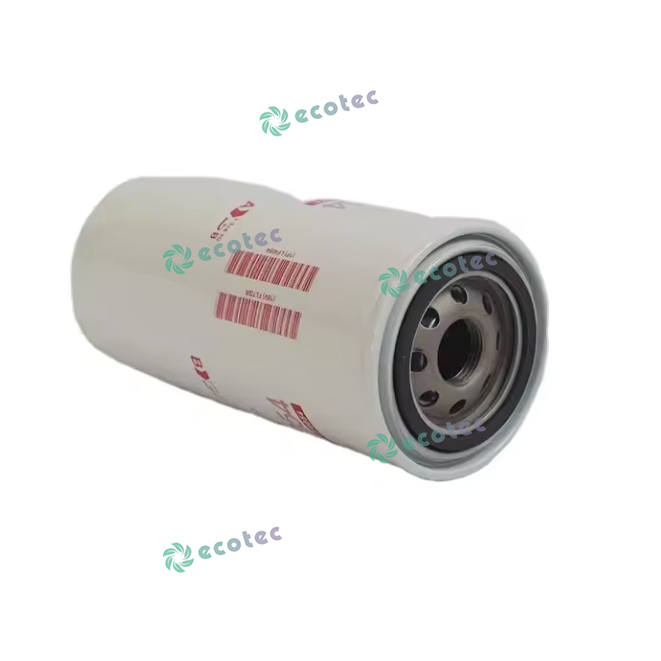
Fuel filters come in different types based on design and placement. Inline filters are placed along the fuel line and are common in many vehicles. Canister filters are larger and often found in diesel engines. Some vehicles use water block fuel filters to remove water from fuel. Each type serves the same purpose but suits different engine needs.
Credit: treefruitresearch.org
Water Contamination In Fuel
Water contamination in fuel is a common problem for engines. Water can enter fuel in many ways. It harms engine parts and lowers performance. Understanding water contamination helps protect your engine and fuel system.
Sources Of Water In Fuel
Water can enter fuel during storage or transportation. Rainwater may seep into fuel tanks. Condensation forms inside tanks when temperatures change. Sometimes, water mixes during fuel delivery. Poor tank seals allow moisture inside. Even small amounts of water cause issues.
Effects On Engine Performance
Water in fuel causes poor engine starting and rough running. It reduces power and fuel efficiency. Water damages fuel injectors and pumps. Corrosion inside the engine parts is common. Engine stalling or misfiring may happen. Water also leads to costly repairs and downtime.
Water Block Fuel Filter Features
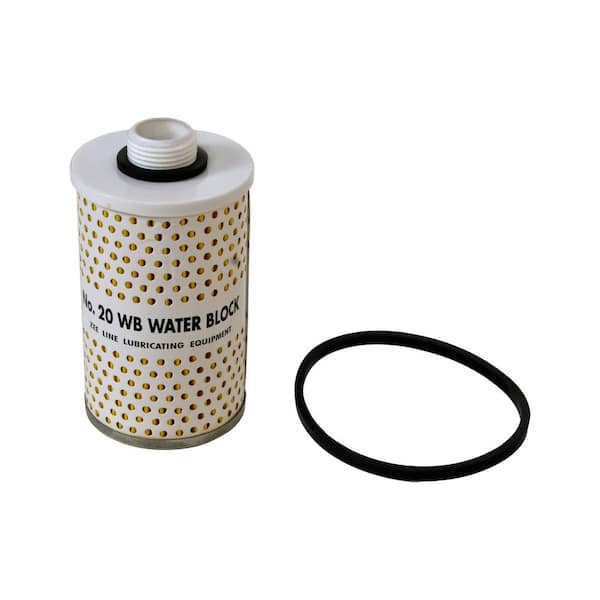
The water block fuel filter is a key part of keeping engines safe. It stops water from mixing with fuel. This protects engine parts and keeps the engine running well. Understanding its features helps to see why it is important for vehicles and machines.
Design And Components
The filter has a simple but strong design. It includes a clear bowl at the bottom. This bowl collects water that is separated from the fuel. The main body holds a special filter element. This element traps dirt and rust from the fuel. A drain valve lets you remove the water easily. The filter fits into fuel lines without trouble. Its parts are made from tough materials to last long.
How It Separates Water
Water is heavier than fuel. When fuel flows through the filter, water drops to the bottom. The filter slows down the fuel flow. This helps water separate and settle in the bowl. The filter element catches dirt, not water. The clear bowl shows how much water is inside. You can open the drain valve to remove water. This stops water from reaching the engine. The process keeps fuel clean and dry for better engine health.
Working Mechanism
The working mechanism of a water block fuel filter is simple yet effective. It protects the engine by removing water and impurities from the fuel. This process ensures clean fuel reaches the engine, improving performance and preventing damage.
Fuel Flow Process
Fuel enters the filter through an inlet port. It flows through a fine mesh or filter element. This element traps dirt and debris from the fuel. The clean fuel then moves towards the engine. The filter keeps harmful particles from reaching the fuel injectors.
Water Separation And Drainage
Water in the fuel is heavier than the fuel itself. Inside the filter, water drops settle at the bottom. A special bowl or chamber collects the separated water. This water can be drained easily through a valve. Removing water prevents engine corrosion and poor fuel combustion.
Benefits For Engine Health
A water block fuel filter plays a key role in protecting your engine. It removes water and dirt from the fuel before it reaches the engine parts. Clean fuel helps the engine run smoothly and last longer. This section explains how the filter benefits engine health.
Preventing Corrosion And Damage
Water in fuel causes rust inside the engine. Rust weakens metal parts and leads to costly repairs. The water block fuel filter stops water from entering the engine. It keeps metal parts safe from corrosion. This protection extends the engine’s life and lowers repair costs.
Improving Fuel Efficiency
Dirty fuel clogs injectors and reduces engine power. The water block fuel filter keeps fuel clean and pure. Clean fuel burns better and produces more energy. This means the engine uses less fuel to work well. Better fuel efficiency saves money and reduces emissions.
Credit: cgdiamondcity.com.my
Installation And Maintenance Tips
Installing and maintaining a water block fuel filter is essential for clean fuel delivery. Proper care keeps engines running smoothly and avoids costly repairs. Simple steps ensure the filter works efficiently and lasts longer.
Choosing The Right Filter
Select a filter that fits your vehicle’s make and model. Check the size and type before buying. Use filters designed for water separation to remove water effectively. Quality matters; a good filter traps dirt and water better. Always follow the manufacturer’s instructions for best results.
Regular Inspection And Replacement
Inspect the filter regularly for dirt and water buildup. Look for discoloration or damage on the filter housing. Change the filter as recommended, usually every 10,000 to 15,000 miles. Replace it sooner if you drive in wet or dusty areas. Regular changes prevent clogging and fuel system damage.
Common Issues And Troubleshooting
Water block fuel filters are vital for protecting engines from water contamination. Despite their benefits, these filters can face issues that affect performance. Knowing common problems helps maintain filter efficiency. Troubleshooting ensures the engine runs smoothly and avoids damage.
Signs Of Water Block Filter Problems
Water in the fuel system causes rough engine running. The engine may hesitate or stall during use. Reduced power is a clear sign of filter blockage. Fuel smells unusual or looks cloudy. The filter bowl may show visible water accumulation. Warning lights on the dashboard might turn on. Frequent filter replacements can signal ongoing issues.
Solutions To Common Challenges
Drain water regularly from the filter bowl to prevent buildup. Replace the filter element if clogged or dirty. Check for leaks around the filter housing and seals. Use clean fuel to reduce contamination risks. Inspect and clean fuel lines to ensure flow. Tighten all connections to avoid air leaks. Test the system after maintenance for proper function.

Credit: www.youtube.com
Frequently Asked Questions
What Is The Purpose Of A Water Block Fuel Filter?
A water block fuel filter removes water from fuel to protect the engine. It prevents corrosion and damage caused by water contamination. This ensures cleaner fuel reaches the engine, improving performance and longevity. It is essential for diesel and gasoline engines, especially in wet environments.
How Does A Water Block Fuel Filter Separate Water?
The filter uses a hydrophobic element that repels water while allowing fuel through. Water droplets settle at the bottom of the filter housing. This separation prevents water from reaching the engine, reducing fuel system damage and maintaining efficient combustion.
Why Is Removing Water From Fuel Important?
Water in fuel causes engine corrosion, poor combustion, and damage to fuel injectors. It leads to reduced engine efficiency and higher maintenance costs. Removing water ensures smoother engine operation, better fuel economy, and longer engine life.
Can A Water Block Fuel Filter Improve Engine Performance?
Yes, by removing water and contaminants, the filter ensures cleaner fuel. This results in better combustion, smoother engine running, and enhanced power output. It also reduces the risk of engine stalling and costly repairs.
Conclusion
A water block fuel filter keeps your engine safe from water damage. It removes water and dirt from the fuel before it reaches the engine. Clean fuel helps the engine run smoothly and last longer. Regular checks and filter changes keep the system working well.
Simple but effective. Understanding how it works helps you care for your vehicle better. A small part, big impact.


