

Have you ever wondered how well your vehicle’s fuel filter protects your engine? One key detail you might not know is the micron rating of your fuel filter.
But what exactly does “microns” mean, and why should you care about it? Understanding how many microns a fuel filter has can make a big difference in keeping your engine running smoothly and avoiding costly repairs. You’ll discover what micron ratings are, why they matter for your fuel filter, and how to choose the right one for your vehicle.
Keep reading to find out how this small number can have a huge impact on your car’s performance.
Micron Ratings Explained
Understanding micron ratings helps you choose the right fuel filter for your engine. Micron ratings show how small the particles the filter can catch are. The smaller the micron number, the finer the filter is. This affects how well the fuel stays clean and how protected your engine is.
What Microns Measure
Microns measure the size of particles in fuel. One micron equals one millionth of a meter. It shows how tiny dirt, rust, and other debris are. Fuel filters use micron ratings to trap these particles. A filter with a 10-micron rating blocks particles larger than 10 microns. Smaller particles pass through. This helps keep the fuel system clean and running smoothly.
Common Micron Sizes In Fuel Filters
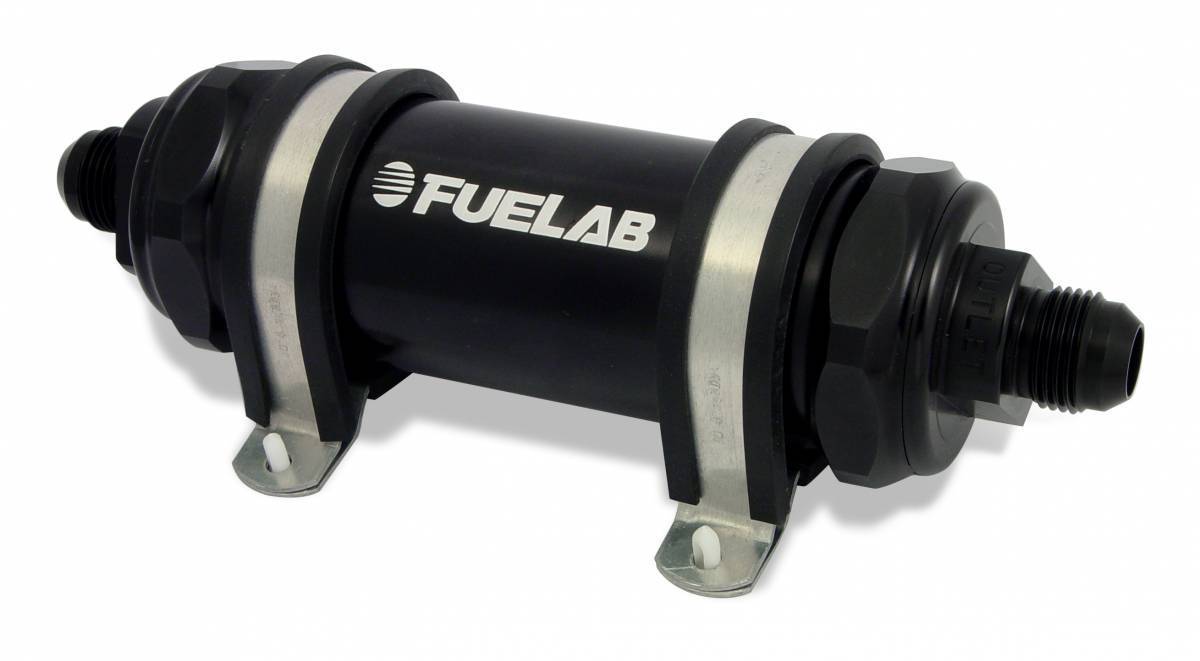
Fuel filters come in many micron sizes. The most common ratings are 10, 20, and 30 microns. A 10-micron filter blocks very small particles. It offers the best protection but may clog faster. A 20-micron filter balances protection and fuel flow. It stops medium-sized particles. A 30-micron filter catches larger debris. It allows better fuel flow but less fine filtration.
Credit: fuelab.com
Fuel Filter Types
Fuel filters come in different types. Each type has a unique way to clean fuel. They remove dirt, rust, and other particles. Clean fuel helps engines run smoothly and last longer. Understanding filter types helps choose the right one for your vehicle.
Mechanical Filters
Mechanical filters use screens or mesh to catch big particles. They block dirt without chemicals or paper. These filters are simple and easy to clean. They protect engines from large debris but may miss smaller particles.
Media Filters
Media filters have layers of paper or fabric inside. They trap very fine particles from fuel. These filters catch dirt that mechanical filters miss. Media filters need replacement after some time. They keep fuel very clean for better engine health.
Spin-on Filters
Spin-on filters are easy to install and remove. They combine a metal case with filter media inside. These filters screw onto the engine or fuel line. They protect the engine by filtering small and large particles. Spin-on filters are common in many vehicles today.
Impact Of Micron Size On Efficiency
The micron size of a fuel filter plays a big role in its efficiency. It affects how well the filter removes dirt and particles from the fuel. A smaller micron rating means the filter catches finer particles. This helps protect the engine from damage and keeps it running smoothly.
Choosing the right micron size is important. Too small can block fuel flow. Too large lets harmful particles pass through. Understanding this balance helps pick the best filter for your vehicle.
Filtering Fine Particles
Fuel filters with smaller micron sizes trap tiny dirt and debris. These fine particles can harm engine parts. Removing them improves engine life and performance. Filters rated around 10 to 30 microns catch most harmful particles. This keeps fuel clean and engines safer.
Balancing Flow And Filtration
Filters must allow fuel to flow freely. Very small micron sizes can slow fuel flow. This may reduce engine power or cause stalling. Larger micron sizes improve flow but may miss smaller dirt. Finding a good balance protects the engine without blocking fuel.

Credit: www.speedwaymotors.com
Choosing The Right Micron Rating
Choosing the right micron rating for your fuel filter matters a lot. The micron rating shows the size of particles the filter can catch. Picking the correct rating protects your engine from dirt and debris. It also helps the engine run smoothly and last longer.
Vehicle Manufacturer Recommendations
Always check your vehicle’s manual for fuel filter micron rating advice. Manufacturers test filters to match the engine’s needs. Using the recommended micron rating keeps your engine safe. It also maintains your vehicle’s warranty. Ignoring these guidelines can cause engine problems.
Fuel Type Considerations
Different fuel types require different micron ratings. Diesel engines usually need finer filters, around 2 to 10 microns. Gasoline engines might use filters with 10 to 30 microns. Clean fuel means less wear on the engine. Choose a filter that fits your fuel type for best results.
Signs Of A Clogged Fuel Filter
A clogged fuel filter can cause many problems in your vehicle. It blocks dirt and debris from reaching the engine. Over time, the filter gets dirty and stops working well. This leads to clear signs that your fuel filter needs attention. Recognizing these signs helps keep your car running smoothly and avoids costly repairs.
Performance Issues
Your car may struggle to start or run unevenly. The engine can sputter or stall during acceleration. You might notice a drop in fuel efficiency and power. These issues occur because fuel flow is limited by the clogged filter. The engine does not get enough clean fuel to work properly.
Fuel System Damage Risks
A clogged fuel filter forces the fuel pump to work harder. This extra strain can cause the pump to fail early. Dirt and debris may bypass the filter and damage fuel injectors. Over time, this leads to costly repairs and poor engine performance. Replacing the filter on time protects your fuel system parts.

Credit: www.speedwaymotors.com
Maintaining Fuel Filter Efficiency
Maintaining fuel filter efficiency is important for engine health. A clean fuel filter stops dirt and debris from reaching the engine. This helps the engine run smoothly and saves fuel. Regular care of the fuel filter keeps your vehicle in good shape.
Replacement Intervals
Fuel filters need regular replacement to stay effective. Check your vehicle’s manual for the right schedule. Usually, filters should be replaced every 20,000 to 40,000 miles. Old filters clog easily and reduce fuel flow. Changing filters on time avoids engine problems and costly repairs.
Quality Filter Brands
Choosing a good brand means better protection for your engine. Top brands use high-quality materials that capture tiny particles. They last longer and fit perfectly in your vehicle. Avoid cheap filters that can let dirt pass through. Investing in trusted brands helps keep fuel filters efficient and your engine safe.
Frequently Asked Questions
What Size Micron Is A Typical Fuel Filter?
A typical fuel filter ranges from 10 to 30 microns. This size effectively traps contaminants like dirt and rust. It protects your engine by preventing particles from entering the fuel system. Choosing the right micron size ensures optimal engine performance and longevity.
Why Is Micron Rating Important For Fuel Filters?
Micron rating determines the filter’s ability to trap particles. Smaller micron ratings capture finer debris, improving fuel cleanliness. This prevents clogging and engine damage. A proper micron rating balances filtration efficiency with fuel flow for best engine health.
How Do Micron Sizes Affect Fuel Filter Performance?
Smaller micron sizes filter smaller particles but may reduce fuel flow. Larger micron sizes allow better fuel flow but trap fewer particles. Selecting the right size ensures clean fuel without restricting engine performance. It extends fuel system life and avoids costly repairs.
Can I Use A Fuel Filter With A Different Micron Rating?
Using a different micron rating affects filtration efficiency and flow. A smaller micron filter may clog quickly, reducing fuel supply. A larger micron filter may let harmful debris pass through. Always use manufacturer-recommended micron sizes for best results.
Conclusion
Fuel filter micron size matters for engine health and performance. Smaller microns trap finer dirt and protect fuel systems better. Most fuel filters range between 10 and 30 microns. Choosing the right size helps keep your engine clean and running smoothly.
Changing the filter regularly prevents damage and saves money. Clean fuel means better engine power and longer life. Understanding microns makes fuel filter choices easier and smarter. Keep your vehicle running well by paying attention to fuel filter microns. Simple but important for every driver.


