

Have you ever noticed your engine making strange noises but weren’t sure why? If your car sounds rough, choppy, or different than usual, a clogged fuel filter might be the hidden culprit.
Understanding how your engine sounds when this happens can save you time, money, and stress. You’ll discover the key signs your fuel filter is clogged and what those sounds mean for your engine’s health. Keep reading to learn how to recognize the warning signs before they turn into bigger problems.

Credit: www.autotrainingcentre.com
Fuel Filter Role
A clogged fuel filter can make an engine sound rough or shaky. It may cause sputtering or a weak engine noise. This happens because fuel flow gets blocked.
Fuel Flow And Filtration
The fuel filter cleans the fuel before it reaches the engine. It removes dirt, rust, and other small particles. Clean fuel helps the engine run smoothly and prevents damage. The filter also controls how much fuel flows to the engine. When the filter gets clogged, less fuel reaches the engine. This can cause the engine to struggle and lose power.
Impact On Engine Performance
A clogged fuel filter can make the engine sound rough or weak. The engine may hesitate or stall during acceleration. You might hear sputtering or coughing noises. These sounds happen because the engine does not get enough clean fuel. Poor fuel flow can cause misfires and lower fuel efficiency. Replacing a clogged filter helps restore smooth engine sounds and better performance.
Signs Of A Clogged Filter
A clogged fuel filter can cause several problems in your engine. Recognizing these signs early helps avoid bigger issues. Watch for changes in engine sound and performance. These clues point to a filter that needs attention.
Engine Sputtering And Hesitation
Your engine may sputter or hesitate during acceleration. This happens because fuel flow gets restricted. The engine struggles to get enough fuel. You might feel jerks or pauses while driving.
Reduced Power And Acceleration
The vehicle loses power and slows down easily. It cannot accelerate as it used to. A clogged filter blocks fuel delivery. The engine runs lean and struggles to perform well.
Unusual Engine Noises
Listen for strange noises from the engine. You might hear knocking or popping sounds. These noises mean the engine is not running smoothly. Poor fuel supply causes these unusual sounds.
Sound Changes Explained
When a fuel filter clogs, the engine sound changes noticeably. These changes happen because the engine struggles to get enough fuel. The sound shifts reveal issues like rough running and extra stress on parts. Understanding these sound changes helps spot problems early and avoid bigger damage.
Rough Idling
The engine may sound uneven or shaky when idling. This happens because fuel flow is inconsistent. The engine can’t run smoothly without steady fuel. You might hear a choppy or jerky noise. This rough idling means the engine is struggling at low speeds.
Stalling And Misfires
Fuel starvation causes the engine to stall or misfire. Stalling means the engine stops suddenly. Misfires create popping or coughing sounds. These noises come from incomplete fuel combustion. This happens when the clogged filter blocks enough fuel from reaching the engine.
Increased Engine Strain Sounds
The engine works harder to push fuel through the clog. This extra effort causes louder or unusual sounds. You might hear knocking or rattling noises. These sounds show the engine is under strain. Ignoring these signs can lead to serious engine damage.

Credit: www.morganscloud.com
Diagnosing Fuel Filter Issues
Diagnosing fuel filter issues is key to maintaining engine health. A clogged fuel filter restricts fuel flow, causing engine problems. Identifying these issues early can save time and money on repairs.
Symptoms like rough idling, poor acceleration, or engine stalling often point to fuel filter problems. Detecting these signs requires careful observation and simple tests. Below are effective ways to diagnose a clogged fuel filter.
Listening For Warning Sounds
Pay attention to unusual engine noises. A clogged fuel filter may cause sputtering or knocking sounds. The engine might sound weaker or uneven. These warning sounds often appear during acceleration or under load. Listening closely helps catch problems early.
Fuel Pressure Testing
Fuel pressure testing measures the fuel flow to the engine. Low fuel pressure usually indicates a clogged filter. Use a fuel pressure gauge to check the pressure at the fuel rail. Compare the reading to the manufacturer’s specifications. This test confirms if the filter blocks fuel delivery.
Visual Inspection Tips
Inspect the fuel filter for dirt or damage. Look for dark spots or debris on the filter surface. Check fuel lines connected to the filter for leaks or cracks. A dirty or damaged filter needs replacement. Visual checks help identify obvious issues quickly.
Preventing Filter Clogs
Preventing fuel filter clogs keeps your engine sound smooth and strong. A clogged filter reduces fuel flow, causing rough engine noise and poor performance. Simple steps help avoid this problem and keep your car running well.
Regular Maintenance Schedule
Change the fuel filter based on your car’s manual. Regular replacement stops dirt from building up. Schedule checks every 20,000 to 30,000 miles. Timely maintenance keeps fuel flowing freely and engine noise low.
Using Quality Fuel
Choose clean, high-quality fuel for your vehicle. Cheap or contaminated fuel clogs filters faster. Good fuel protects engine parts and reduces filter dirt. This helps keep the engine sound clear and steady.
Signs To Replace Early
Listen for sputtering or engine hesitation during acceleration. Notice if the engine struggles or idles roughly. Early filter replacement stops damage and noise increase. Catch problems early to maintain smooth engine sound.
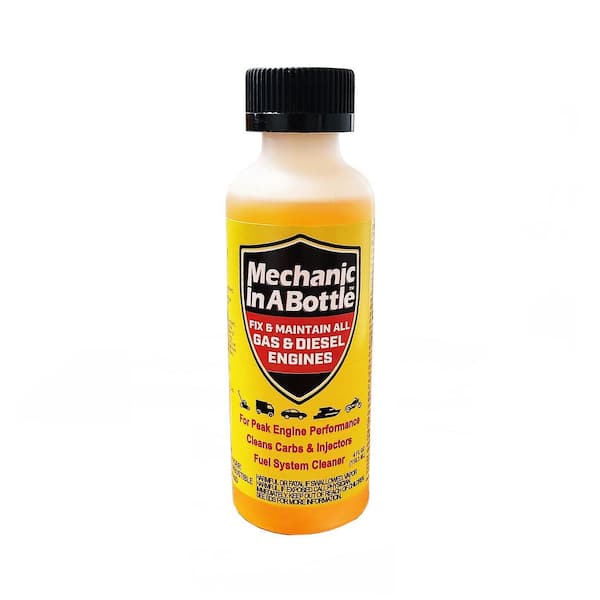
Credit: www.homedepot.com
Frequently Asked Questions
What Sound Does A Clogged Fuel Filter Cause?
A clogged fuel filter often causes sputtering or coughing engine sounds. It restricts fuel flow, leading to uneven engine operation. This results in rough idling and hesitation during acceleration.
Can A Clogged Fuel Filter Cause Engine Noise?
Yes, a clogged fuel filter can cause abnormal engine noise. The engine struggles to get enough fuel, causing strain and unusual sounds. This can sound like knocking, sputtering, or misfiring noises.
How To Identify Engine Sound From A Clogged Fuel Filter?
Listen for sputtering, stalling, or misfiring sounds during acceleration. Engine may sound rough or uneven at idle. These noises often indicate fuel delivery issues caused by a clogged filter.
Does A Clogged Fuel Filter Affect Engine Performance?
Yes, it reduces fuel flow, causing poor engine performance. You may notice hesitation, reduced power, or stalling. The engine may also run roughly or produce strange noises.
Conclusion
A clogged fuel filter changes your engine sound noticeably. You may hear sputtering, rough idling, or engine hesitation. These sounds signal fuel flow problems that need attention. Fixing the filter improves engine performance and sound quickly. Listen closely to your car; it tells you when something is wrong.
Regular maintenance keeps your engine running smoothly and quietly. Don’t ignore strange noises—they protect your vehicle’s health. Stay alert and act fast to avoid bigger issues.


