

Have you ever wondered how often you should replace your fuel filter? This small part plays a big role in keeping your engine running smoothly.
Ignoring it could lead to costly repairs or poor performance. You’ll discover the signs that show it’s time for a change and learn how replacing your fuel filter can save you money and headaches down the road. Keep reading to make sure your vehicle stays in top shape.
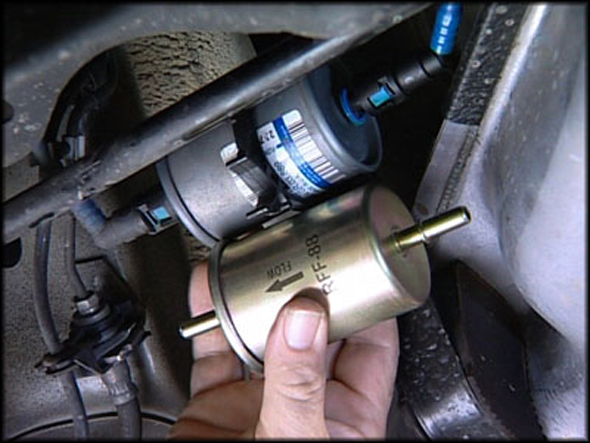
Credit: germanformula.com
Role Of A Fuel Filter
The fuel filter plays a key role in keeping a vehicle’s engine healthy. It cleans the fuel before it reaches the engine. This helps the engine run smoothly and last longer. Understanding the fuel filter’s role helps in knowing why replacing it is important.
Purpose In The Fuel System
The fuel filter stops dirt and debris from entering the engine. Fuel can carry small particles that damage engine parts. The filter catches these particles to protect the fuel injectors and engine. Clean fuel means better engine health and fewer repairs.
Impact On Engine Performance
A clogged fuel filter reduces fuel flow to the engine. This causes poor engine performance, like rough idling and low power. A clean fuel filter helps the engine run smoothly and efficiently. It also improves fuel economy and reduces emissions.
Signs Of A Clogged Fuel Filter
A clogged fuel filter can cause many problems in your car’s engine. It stops fuel from flowing properly. This can make your car hard to drive. Knowing the signs helps you fix the problem early. Catching issues quickly saves money and keeps your engine healthy.
Reduced Engine Power
Your car may feel weak or slow. The engine struggles to reach higher speeds. This happens because less fuel reaches the engine. You might notice the car lags when you press the gas. A clogged filter blocks fuel flow and lowers engine power.
Starting Issues
The engine may take longer to start or not start at all. Fuel is not reaching the engine quickly. The car might sputter or stall soon after starting. These problems often point to a dirty fuel filter. It stops enough fuel from getting through to start the engine.
Fuel Efficiency Drop
You might notice your car uses more fuel than usual. The engine works harder to get fuel through the filter. This wastes fuel and lowers miles per gallon. A clogged fuel filter can cause your fuel costs to rise. Watching your fuel efficiency helps spot this problem early.
Recommended Replacement Intervals
Knowing the right time to replace your fuel filter keeps your engine healthy. The fuel filter cleans the fuel before it reaches the engine. Over time, it gets clogged with dirt and debris. Changing it regularly stops problems like poor fuel flow and engine misfires. Follow the recommended replacement intervals to avoid costly repairs.
Manufacturer Guidelines
Car makers suggest specific intervals for fuel filter replacement. These usually range from 20,000 to 40,000 miles. Check your vehicle’s owner manual for exact details. Sticking to these guidelines helps keep your engine running smoothly. Ignoring them can lead to clogged filters and engine damage.
Driving Conditions Influence
Driving habits and environment affect how fast the fuel filter clogs. Dusty roads and heavy traffic can dirty the filter quicker. Short trips may also cause more buildup. In such cases, replace the fuel filter more often than the manual suggests. Adjust replacement timing based on your driving conditions for best results.
Factors Affecting Replacement Frequency
Several factors influence how often you should replace your fuel filter. The right timing depends on these key elements. Understanding them helps keep your vehicle running smoothly. Ignoring these factors can cause engine problems and reduce fuel efficiency.
Fuel Quality
Fuel quality plays a big role in fuel filter life. Poor quality fuel contains more dirt and debris. These particles clog the filter faster. Using high-quality fuel can extend filter life. Clean fuel reduces the need for early replacements.
Vehicle Age And Mileage
Older vehicles and those with high mileage need more frequent filter changes. Over time, filters collect more impurities. This buildup limits fuel flow to the engine. Newer cars may have filters that last longer. Check your vehicle’s manual for specific advice.
Environmental Conditions
Driving in dusty or dirty areas affects filter life. Dust and dirt enter the fuel system faster. This causes the filter to clog sooner. Wet or humid climates can also impact filter performance. Regular checks are important in harsh environments.
Diy Vs Professional Replacement
Deciding whether to replace your fuel filter yourself or hire a professional depends on many factors. Both options have pros and cons. Knowing what tools you need and how much it costs helps you choose the best path. Safety is also very important during the replacement process.
Tools Required
Replacing a fuel filter yourself needs some basic tools. You will need wrenches, screwdrivers, and a container for fuel spills. Some cars require special tools to release fuel pressure. Having the right tools makes the job easier and safer.
Safety Precautions
Fuel is flammable and dangerous. Always work in a well-ventilated area. Wear gloves and eye protection to avoid contact with fuel. Disconnect the battery before starting to reduce fire risk. Keep a fire extinguisher nearby just in case.
Cost Comparison
DIY fuel filter replacement usually costs less. You only pay for the part and any small tools needed. Professional service costs more because of labor fees. A mechanic can finish the job quickly and guarantee the work. Choose based on your budget and confidence with tools.

Credit: www.mercedesbenzportland.com
Consequences Of Neglecting Replacement
Neglecting to replace your fuel filter can cause serious problems. The fuel filter cleans dirt and rust from the fuel. Over time, it gets clogged and stops working well. This affects your car’s engine and overall performance. Understanding these risks helps you avoid costly repairs and keep your vehicle running smoothly.
Engine Damage Risks
A dirty fuel filter blocks fuel flow to the engine. This causes the engine to run poorly or stall. Dirt and debris can enter the engine, causing wear and tear. Over time, this leads to engine damage and reduced lifespan. Replacing the fuel filter prevents these costly engine problems.
Increased Emissions
A clogged fuel filter causes the engine to burn fuel inefficiently. This increases harmful emissions from your car. High emissions harm the environment and may cause your vehicle to fail emission tests. Clean fuel filters help keep emissions low and your car eco-friendly.
Higher Repair Costs
Ignoring fuel filter replacement leads to bigger problems. Engine damage and poor performance require expensive repairs. You may spend more on fixing issues than on simple filter replacement. Regular maintenance saves money and avoids costly visits to the mechanic.
Tips To Extend Fuel Filter Life
The fuel filter plays a key role in keeping your engine clean and running well. Taking steps to protect the filter can save money and avoid car troubles.
Simple habits can keep the fuel filter working longer. These tips help maintain fuel flow and engine health.
Using Quality Fuel
Choose fuel from trusted stations. Low-quality fuel often has dirt and debris. These particles clog the fuel filter quickly. Clean fuel keeps the filter clear and the engine smooth. Avoid cheap or unknown fuel brands to protect the filter.
Regular Vehicle Maintenance
Follow your car’s service schedule. Changing oil and air filters regularly helps the fuel filter last longer. Check the fuel system for leaks or damage. Clean or replace parts as needed to avoid strain on the filter. Regular checks catch issues early, preventing costly repairs.
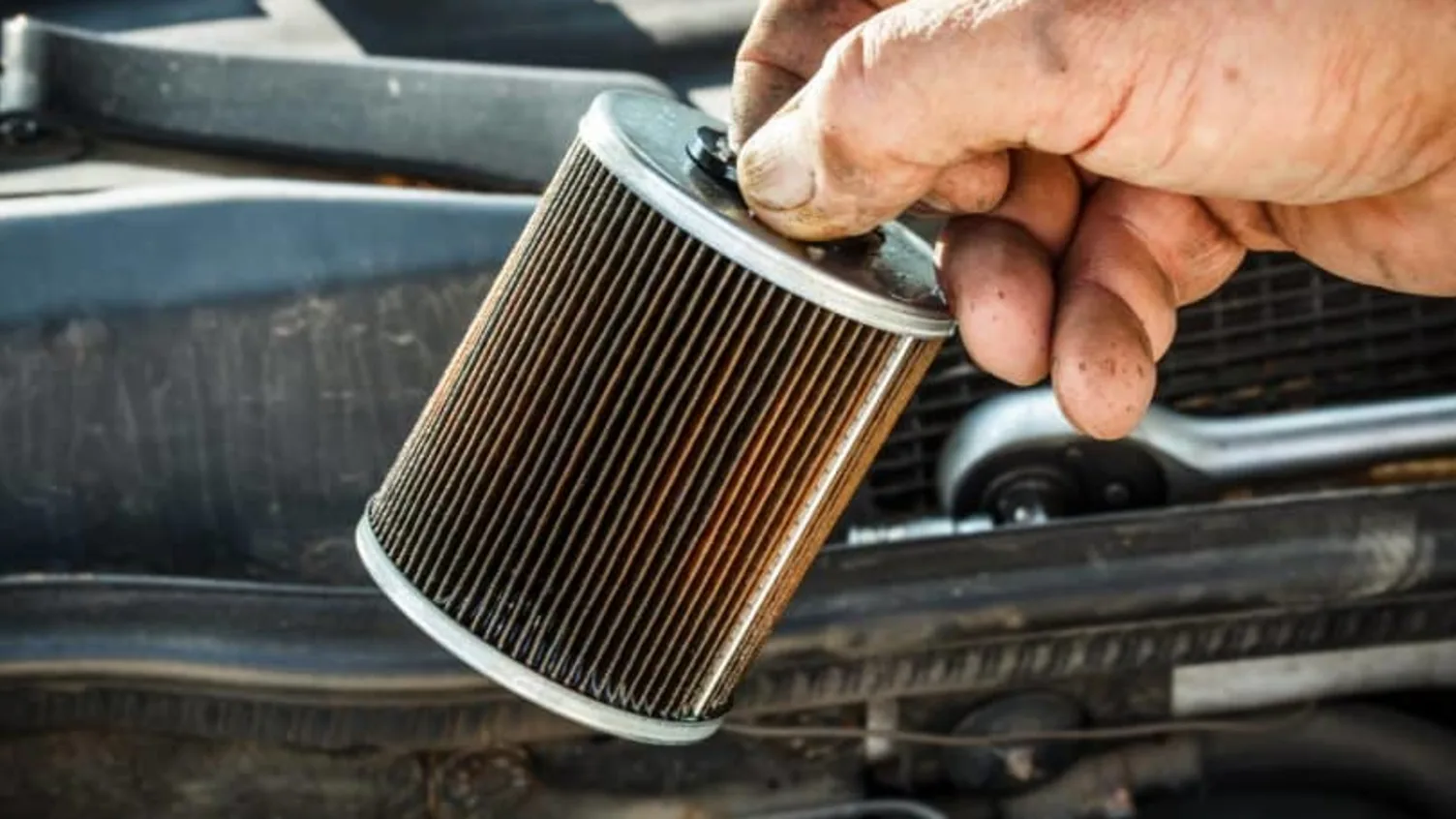
Credit: www.bigboxcars.com.au
Frequently Asked Questions
How Often Should You Replace A Fuel Filter?
Replace your fuel filter every 20,000 to 30,000 miles. This keeps your engine clean and running efficiently. Check your vehicle’s manual for specific recommendations. Regular replacement prevents clogging and improves fuel flow.
What Are Signs Of A Clogged Fuel Filter?
Common signs include engine misfires, poor acceleration, and stalling. You might also notice difficulty starting your car. These symptoms indicate restricted fuel flow, signaling it’s time for a filter change.
Can A Dirty Fuel Filter Damage The Engine?
Yes, a dirty fuel filter can cause engine damage. It restricts fuel flow, causing the engine to run lean. This leads to overheating and potential long-term engine problems. Timely replacement prevents costly repairs.
Is Fuel Filter Replacement Diy Or Professional?
Fuel filter replacement can be DIY for experienced car owners. However, many vehicles require special tools or skills. For safety and accuracy, professional service is often recommended, especially for modern cars.
Conclusion
Replacing your fuel filter regularly keeps your engine clean and healthy. Dirty filters cause poor fuel flow and reduce car performance. Most experts suggest changing it every 20,000 to 30,000 miles. Check your car’s manual for exact advice. Watching for signs like rough idling or trouble starting helps too.
Clean fuel means better mileage and fewer repairs. Taking care of this small part saves you time and money later. Simple steps make your car run smoother and last longer. Don’t wait until problems start—stay ahead with regular fuel filter changes.


