

If your Briggs and Stratton engine isn’t running as smoothly as it used to, the fuel filter might be the cause. Replacing the fuel filter is a simple step that can save you from costly repairs and keep your engine working like new.
In this guide, you’ll learn exactly how to replace the fuel filter on your Briggs and Stratton quickly and safely. By following these easy steps, you’ll get your engine back to peak performance in no time. Keep reading—you don’t want to miss the tips that will make this task easier than you think.
Tools And Materials Needed
Replacing the fuel filter on a Briggs and Stratton engine needs the right tools and materials. Having these ready saves time and avoids frustration. It ensures the job goes smoothly and safely.
Gather everything before starting. This helps to stay organized and focused on the task. Here is a list of tools and materials that you will need.
Basic Hand Tools
A flathead screwdriver and a pair of pliers are essential. You may also need a small wrench to loosen clamps. These tools help remove and install the fuel filter without damage.
Replacement Fuel Filter
Use a fuel filter made for Briggs and Stratton engines. Check the model number on your engine. A proper fit ensures good fuel flow and engine performance.
Fuel Line Clamps
New clamps secure the fuel lines after replacing the filter. They prevent leaks and keep the fuel system tight. Choose clamps that fit the fuel line size exactly.
Clean Rag Or Paper Towels
Fuel spills may happen. Keep a rag or paper towels nearby to wipe any fuel. This keeps the work area clean and safe from fire hazards.
Safety Gloves
Wear gloves to protect your hands from fuel and dirt. Gloves also improve grip on small parts. Choose gloves that resist fuel and are comfortable to wear.
Locate The Fuel Filter
Locating the fuel filter on a Briggs and Stratton engine is the first step to replacing it. The fuel filter cleans the fuel before it reaches the engine. A dirty or clogged fuel filter can cause the engine to run poorly. Finding the filter is easy with a few simple tips.
Most Briggs and Stratton engines have the fuel filter near the fuel tank or along the fuel line. It is usually a small, clear or white plastic piece. This makes it easy to see if it is dirty or blocked. Knowing the exact location helps you prepare for replacement.
Check Near The Fuel Tank
Start by looking close to the fuel tank. The fuel filter often sits right next to it. Look for a small, clear cylinder connected to the fuel line. It may be attached with clips or clamps.
Follow The Fuel Line
Trace the fuel line from the tank to the engine. The fuel filter will be somewhere along this path. It can be in the middle or close to the carburetor. The filter looks like a small plastic or glass tube.
Consult The Owner’s Manual
The owner’s manual shows the exact location of the fuel filter. It has diagrams and pictures that help identify parts. This saves time and avoids confusion during the process.
Prepare The Engine
Before replacing the fuel filter on your Briggs and Stratton engine, prepare the engine properly. This step ensures safety and makes the process easier. Take time to follow these instructions carefully.
Preparing the engine helps avoid fuel spills and accidents. It also protects the engine parts during the replacement. Start by turning off the engine, then drain the fuel.
Turn Off The Engine
First, switch off the engine completely. Let it cool down for a few minutes. Hot engines can cause burns or fire hazards. Make sure the ignition key is removed or the spark plug is disconnected. This prevents the engine from starting by mistake.
Drain The Fuel
Next, drain the fuel from the tank. Use a clean container to catch the fuel. Locate the fuel valve or drain plug under the tank. Open it carefully and let the fuel flow out slowly. Draining fuel stops leaks during filter replacement. Dispose of old fuel safely, following local rules.
Credit: www.briggsandstratton.com
Remove The Old Fuel Filter
Removing the old fuel filter on a Briggs and Stratton engine is a key step in maintenance. This process ensures that dirt and debris do not clog the fuel system. Taking out the old filter carefully helps prevent fuel leaks and keeps the engine running smoothly.
Follow the steps below to safely remove the old fuel filter without causing damage or spills.
Disconnect Fuel Lines
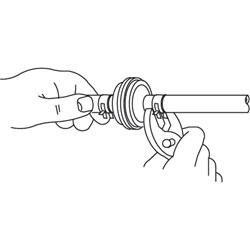
First, turn off the engine and let it cool down. Locate the fuel lines connected to the filter. Use pliers to gently squeeze the clamps holding the fuel lines. Slide the clamps back away from the filter. Slowly pull the fuel lines off the filter’s ends. Be ready to catch any fuel that may drip out.
Take Out The Filter
After disconnecting the fuel lines, check how the filter is fixed in place. Some filters twist off, others pull straight out. Remove the old filter carefully from its holder. Dispose of the filter safely, following local regulations. Clean the area around the filter slot before installing a new one.
Install The New Fuel Filter
Installing the new fuel filter on your Briggs and Stratton engine is a key step. It ensures clean fuel flows smoothly to the engine. A proper install helps your engine run better and last longer.
Follow simple steps to attach the fuel lines and secure the filter. This keeps everything tight and leak-free. Take your time and double-check each connection.
Attach Fuel Lines
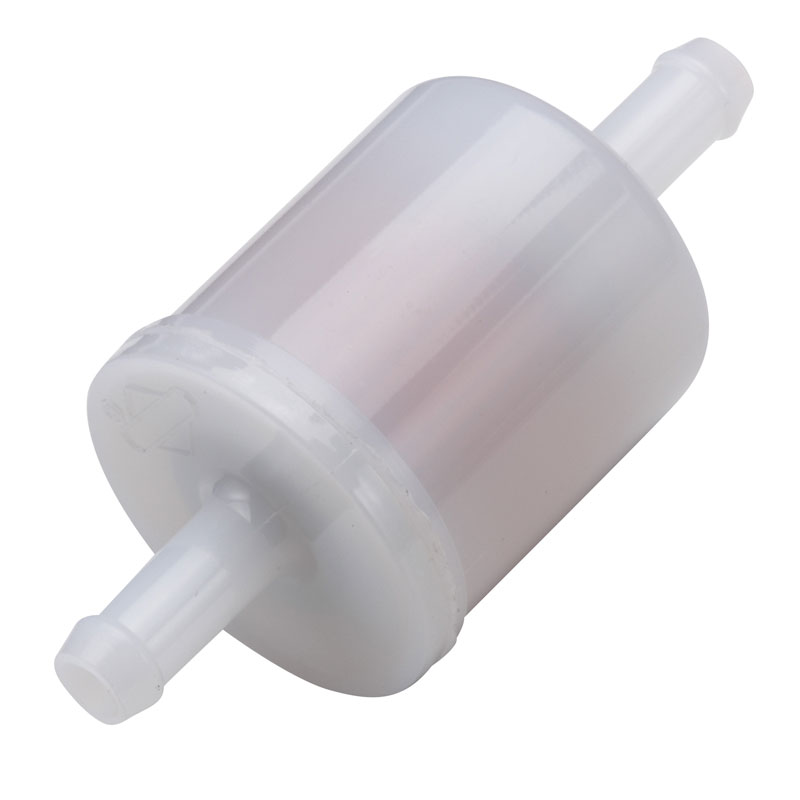
Begin by connecting the fuel lines to the new filter. Push the fuel line firmly onto the inlet and outlet fittings. Make sure the lines fit snugly to avoid leaks. If your fuel lines use clamps, slide them over the connection points. Tighten the clamps with a screwdriver until they hold the lines securely. Avoid overtightening, which can damage the lines.
Secure The Filter
Place the fuel filter in its bracket or holder. Align it properly so the fuel flows in the right direction. Use any clips or screws provided to lock the filter in place. A secure filter prevents vibrations from loosening the connections. Double-check that the filter does not move when gently pulled. This step is crucial to keep your engine running smoothly.
Credit: www.briggsandstratton.com
Check For Leaks
Checking for leaks is an important step after replacing the fuel filter on a Briggs and Stratton engine. Leaks can cause fuel to spill, which is unsafe and wastes fuel. It also affects engine performance and could damage parts. Carefully inspecting for leaks ensures the fuel system works correctly and safely.
Start by running the engine for a few minutes. This helps the fuel flow through the new filter and reveals any leaks. Watch the fuel filter and the fuel lines closely during this time. Small drops or wet spots may show a leak. Fixing leaks early keeps the engine in good shape.
Visual Inspection Of Fuel Filter Connections
Look at the connections where the fuel lines attach to the filter. Check for cracks, loose clamps, or gaps. Tighten clamps if they seem loose. Replace damaged hoses or connectors. A secure connection stops leaks and keeps fuel flowing well.
Listen For Hissing Sounds
Listen near the fuel filter for any hissing sounds. Hissing may mean air or fuel is escaping from a small hole. This signals a leak in the fuel line or filter seal. Find the exact spot and fix it. No hissing means the system is sealed.
Check Fuel Lines For Wear And Tear
Inspect the fuel lines that run to and from the filter. Look for cracks, splits, or signs of wear. Old or damaged lines can leak fuel. Replace any worn fuel lines with new ones. Using fresh lines helps prevent future leaks and fuel loss.
Use Paper Towel Or Cloth For Leak Detection
Place a dry paper towel or cloth under the fuel filter area. After running the engine, check the towel for wet spots. Wet spots show fuel leaks. This simple test helps find leaks you might miss just by looking. Change or tighten parts if the towel gets wet.
Test The Engine
Testing the engine after replacing the fuel filter is very important. This step ensures the engine runs smoothly and safely. It helps find any issues early. Taking time to test saves you from bigger problems later.
Start The Engine
Turn the key or pull the starter cord. Listen carefully to how the engine sounds. It should start easily without hesitation or sputtering. A smooth start means the fuel filter works well.
Check For Fuel Leaks
Look around the fuel filter and fuel lines. Make sure no fuel is dripping or leaking. Leaks can cause engine problems or even fire hazards. Tighten any loose connections if needed.
Let The Engine Run
Let the engine run for a few minutes. Watch for any unusual noises or smoke. The engine should run steady without stopping or stalling. This shows the fuel flows correctly through the new filter.
Test Engine Power
Try using the engine under normal conditions. Check if it feels strong and responsive. Weak power or rough running means more checks are needed. The fuel filter might not be installed properly.
Maintenance Tips
Proper maintenance helps your Briggs and Stratton engine run smoothly. Regular care prevents damage and saves money. Replacing the fuel filter is a key part of this care. Clean fuel keeps the engine healthy and efficient.
Here are some easy maintenance tips to follow when replacing your fuel filter. These tips improve performance and extend engine life.
Check Fuel Quality
Always use fresh, clean fuel. Old or dirty fuel clogs the filter quickly. Store fuel in a clean, sealed container. Avoid using fuel with water or dirt.
Inspect The Fuel Filter Regularly
Look at the fuel filter every few months. Check for dirt, cracks, or damage. Replace it if you see any problems. Don’t wait for engine trouble to start.
Use The Right Replacement Filter
Choose a fuel filter made for your Briggs and Stratton model. The wrong filter may not fit or work well. Read the manual or check the model number before buying.
Clean Around The Filter Area
Remove dirt and debris near the fuel filter before replacement. This keeps dirt from entering the fuel line. Use a clean cloth or brush to wipe the area.
Follow Safety Precautions
Turn off the engine and let it cool before working. Work in a well-ventilated area. Avoid open flames or sparks near fuel. Wear gloves to protect your hands.

Credit: www.youtube.com
Frequently Asked Questions
How Often Should I Replace Briggs And Stratton Fuel Filter?
Replace the fuel filter every 100 hours of engine use or annually. Regular replacement prevents clogging and ensures efficient engine performance.
What Tools Do I Need To Change The Fuel Filter?
You need a screwdriver, pliers, and a new fuel filter. These tools help safely remove and install the fuel filter on Briggs and Stratton engines.
Can I Replace The Fuel Filter Myself Safely?
Yes, replacing the fuel filter is simple and safe with proper precautions. Always work in a well-ventilated area and disconnect the spark plug before starting.
What Are The Signs Of A Clogged Fuel Filter?
Engine sputtering, hard starting, and poor performance indicate a clogged fuel filter. Replacing it restores smooth engine operation and fuel flow.
Conclusion
Replacing the fuel filter on your Briggs and Stratton is simple and quick. Clean fuel helps your engine run smoothly and last longer. Regular filter changes stop dirt from clogging the engine. Follow the steps carefully, and use the right tools.
Check the filter often to avoid problems. Taking care of your engine saves time and money. Now, you can keep your mower or equipment working well. Small maintenance goes a long way. Give your Briggs and Stratton the care it needs.


