Have you ever wondered how long your car wax really lasts? You put in the effort to make your car shine, but the big question is—how long will that shine stick around?
Understanding how car wax works and what affects its durability can save you time, money, and frustration. You’ll discover the secrets behind car wax longevity and learn simple tips to keep your car looking fresh for weeks or even months.
Keep reading, and you’ll never look at car waxing the same way again.
Types Of Car Wax
Car wax comes in different types, each with its own benefits. Choosing the right wax affects how long the shine lasts. Some waxes protect better, while others are easier to apply. Understanding the types helps you pick the best option for your car.
Natural Wax Options
Natural waxes mainly use carnauba, a plant-based ingredient. This wax gives a deep, warm shine and a smooth feel. It works well on dark and light paint colors. Natural wax needs more frequent application but offers a rich gloss. It also provides good water resistance and protection from sunlight.
Synthetic Wax Choices
Synthetic waxes are made from man-made chemicals. They create a hard, durable coating on the car surface. Synthetic wax lasts longer than natural wax, often up to several months. It is easier to apply and remove. This wax also repels dirt and water very well. Synthetic wax may not give the same warm glow as natural wax.
Hybrid Wax Forms
Hybrid waxes combine natural and synthetic ingredients. They balance shine and durability for good results. These waxes give a nice gloss with longer-lasting protection. Hybrid waxes work on many paint types and weather conditions. They offer a middle ground between natural and synthetic waxes.
Factors Affecting Wax Longevity
Car wax does not last the same for every vehicle. Many factors change how long wax stays on your car’s surface. These factors affect the protection and shine of the wax. Understanding them helps you keep your car looking new longer.
Some things wear the wax away faster. Others help it stick better. Knowing these details guides you to better care and longer wax life.
Weather And Climate Impact
Sunlight breaks down wax over time. Hot weather makes wax softer and easier to wash away. Rain and snow also wash away wax faster. Humid places can make wax wear off quicker. Dry climates help wax last longer. Strong wind carries dust and dirt that scratches wax. The weather outside plays a big role in wax life.
Car Usage And Storage
Cars driven daily lose wax faster than cars used less. Dust, dirt, and road salt wear off wax quickly. Parking outside exposes wax to sun and rain. Covered or garage storage protects wax longer. Regular washing removes dirt that harms wax. How you use and store your car changes wax durability.
Surface Preparation
Wax sticks better on clean surfaces. Dirt, grease, or old wax stops new wax from holding well. Washing and drying the car first helps wax last. Using a clay bar removes tiny dirt particles. Polishing removes scratches and smooths the paint. Proper surface prep makes wax protection stronger and longer.
Application Techniques
Proper application techniques affect how long car wax lasts. Applying wax correctly helps protect your car’s paint and keeps the shine longer. The process starts before applying wax and continues with careful steps after. These steps help the wax bond well to the surface and give a smooth finish.
Cleaning Before Waxing
Clean your car well before waxing. Dirt and dust stop wax from sticking properly. Wash the car with soap and water. Dry it fully with a soft towel. Remove any old wax or polish using a clay bar or special cleaner. A clean surface helps wax last longer and look better.
Proper Wax Application
Use a small amount of wax on a soft applicator pad. Apply wax in thin, even layers. Work in small sections, like one door at a time. Use circular motions to spread wax evenly. Avoid thick layers; they take longer to dry and can peel off. Thin coats bond better and protect well.
Buffing Tips
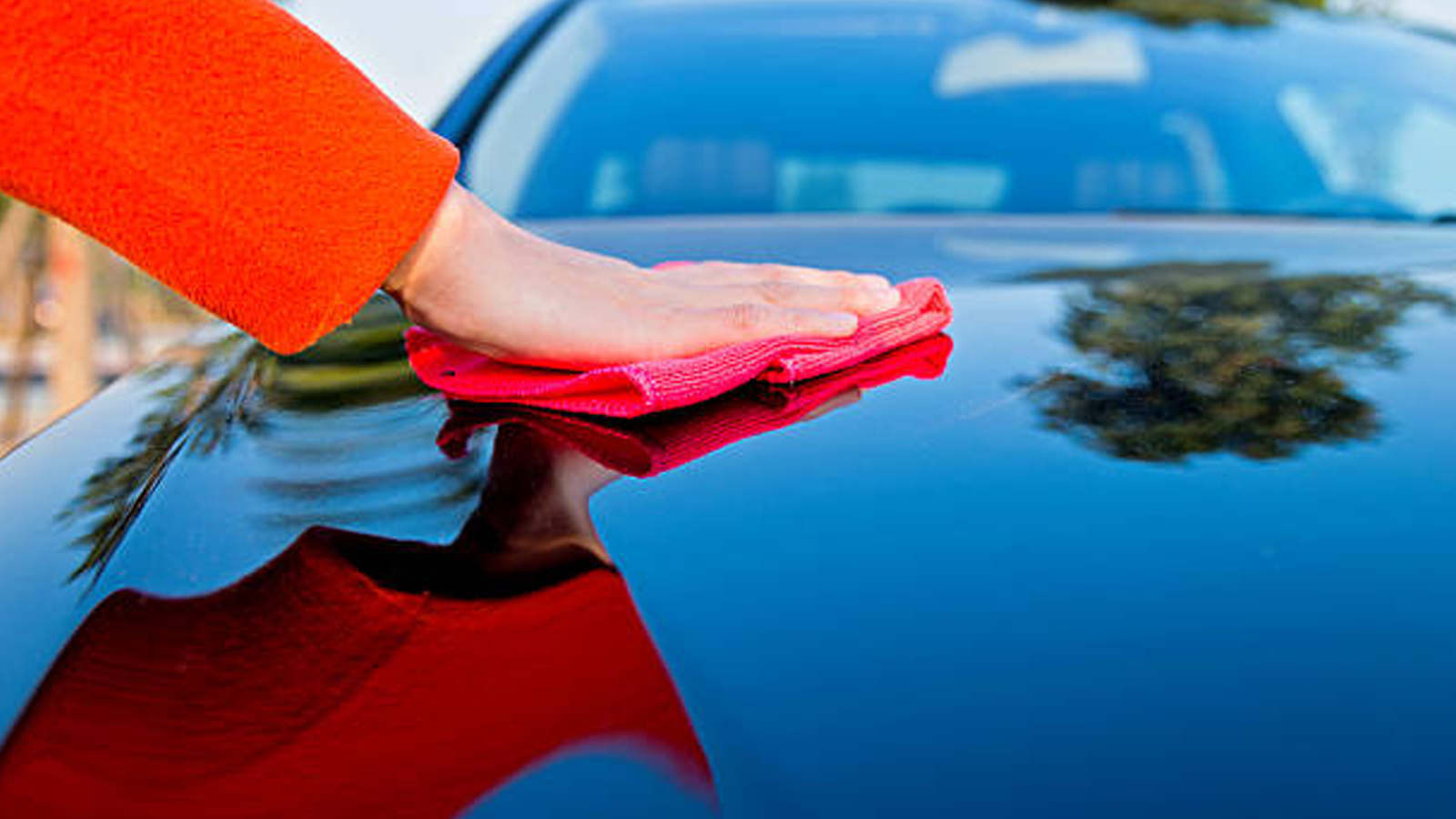
Let the wax dry to a haze before buffing. Use a clean, soft microfiber cloth for buffing. Gently rub the surface in small circles. Buffing removes excess wax and brings out a shine. Change cloth sides often to avoid smearing wax. Proper buffing improves protection and shine duration.
Maintenance For Prolonged Shine
Maintaining the shine of car wax takes regular care. Proper maintenance keeps the wax layer strong. It helps your car look fresh longer. Simple steps in cleaning and waxing make a big difference.
Regular Washing Practices
Wash your car often to remove dirt and dust. Use a soft cloth or sponge to avoid scratches. Rinse with clean water before washing. Dirt can break down the wax if left on the surface. Dry the car gently with a microfiber towel to keep the shine.
Avoiding Harsh Chemicals
Stay away from strong soaps and cleaners. These can strip away the wax coating. Use car wash products made for waxed surfaces. Harsh chemicals damage the paint and reduce wax life. Choose gentle, pH-balanced cleaners for best results.
Touch-up Waxing
Apply a light layer of wax every few weeks. This refreshes the protection and shine. Use small amounts to avoid buildup. Focus on areas exposed to sun and rain. Touch-up waxing keeps the finish smooth and glossy.
Signs Wax Needs Reapplication
Car wax protects your vehicle and keeps it shiny. Over time, the wax wears off due to weather and washing. Knowing the signs that wax needs reapplication helps maintain your car’s look. Watch for changes in shine, water behavior, and surface feel. These clues tell you when it’s time to wax again.
Dull Appearance
Wax gives your car a bright, glossy shine. When the shine fades, the wax is wearing thin. A dull surface looks old and tired. This means the protective layer is losing power. Reapplying wax restores the fresh, polished look.
Water Beading Reduction
Wax makes water bead up on the car’s surface. Water forms small round drops instead of spreading out. If water starts to flatten, the wax is fading. Reduced water beading means less protection from dirt and rain. Time to wax again to keep water rolling off.
Surface Texture Changes
The waxed surface feels smooth and slick. When the surface becomes rough or sticky, the wax is breaking down. Dirt sticks more easily to rough areas. A smooth texture means the wax is still working well. Feel the car’s surface often to check for changes.
Credit: www.chemicalguys.com
Comparing Wax With Other Sealants
Comparing car wax with other sealants helps understand their strengths and weaknesses. Both protect your car’s paint but in different ways. Each product offers unique benefits for durability, cost, and appearance. Knowing these differences helps you choose the right product for your needs.
Wax Vs. Sealant Durability
Car wax usually lasts about 4 to 6 weeks. It wears off faster under sun and rain. Sealants can last 4 to 6 months or more. Sealants form a stronger, longer-lasting barrier on the paint. They resist water, dirt, and UV rays better than wax. This makes sealants a good choice for long-term protection.
Cost And Effort
Wax is often cheaper than sealants. Applying wax takes less time and skill. You need to reapply wax more often to keep protection. Sealants cost more upfront but need fewer applications. They often require more prep work before applying. This can mean more effort at first but less maintenance later.
Visual Differences
Wax gives a deep, warm shine that many people like. It enhances the paint’s natural color and depth. Sealants create a glossy, reflective finish but can look less rich. Some prefer wax’s natural glow over sealants’ slick look. Both improve your car’s appearance but in different ways.
Expert Tips For Long-lasting Wax
To make your car wax last longer, follow expert tips. These tips help protect your car’s shine and keep the wax working well. Proper care before and after waxing can extend the wax life. Small steps make a big difference.
Choosing The Right Product
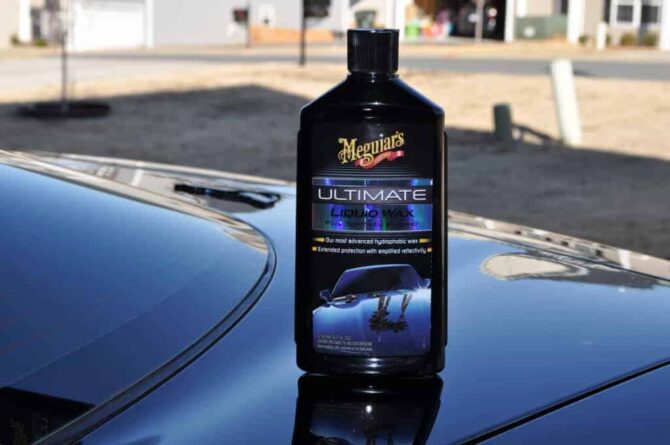
Select a wax that fits your car’s paint type. Some waxes suit new paint, while others are best for older surfaces. Look for products with natural ingredients for better protection. Avoid waxes with harsh chemicals that can damage paint. A good wax forms a strong, lasting layer.
Best Time To Wax
Wax your car in the shade to avoid quick drying. Apply wax on a cool surface, not under the hot sun. Early morning or late afternoon works best. Clean the car thoroughly before waxing. Dirt and dust reduce wax adhesion and shorten its life.
Storage Of Wax Products
Store wax in a cool, dry place to keep it fresh. Avoid direct sunlight and extreme temperatures. Seal the container tightly after use to prevent air exposure. Proper storage keeps wax effective for many months. Check the product’s expiration date before applying.
Credit: avalonking.com

Credit: www.youtube.com
Frequently Asked Questions
How Long Does Car Wax Typically Last?
Car wax usually lasts between 4 to 8 weeks. The duration depends on wax type, weather, and car use. Synthetic waxes tend to last longer than natural ones. Proper application and regular maintenance can extend wax life.
What Factors Affect Car Wax Durability?
Car wax durability depends on exposure to sun, rain, and dirt. Frequent washing, harsh chemicals, and rough surfaces reduce wax life. Climate and driving habits also impact how long the wax protects your car.
How Can I Make Car Wax Last Longer?
To extend wax life, wash your car regularly with gentle soap. Avoid automatic car washes with harsh brushes. Park in shaded areas and reapply wax every 6-8 weeks for best protection.
Does The Type Of Car Wax Change Its Longevity?
Yes, synthetic waxes generally last longer than natural carnauba wax. Synthetic formulas resist weather and dirt better. Natural waxes offer a deeper shine but need more frequent reapplication.
Conclusion
Car wax lasts by protecting your car’s paint from dirt and damage. How long it stays depends on the wax type and weather conditions. Regular washing and avoiding harsh chemicals help keep the wax strong. Applying wax properly also makes a big difference.
A well-waxed car looks shiny and stays cleaner longer. Keep your car waxed to save time and money on repairs. Simple care routines can extend the wax’s life. It’s worth the effort for a fresh, polished look every day.