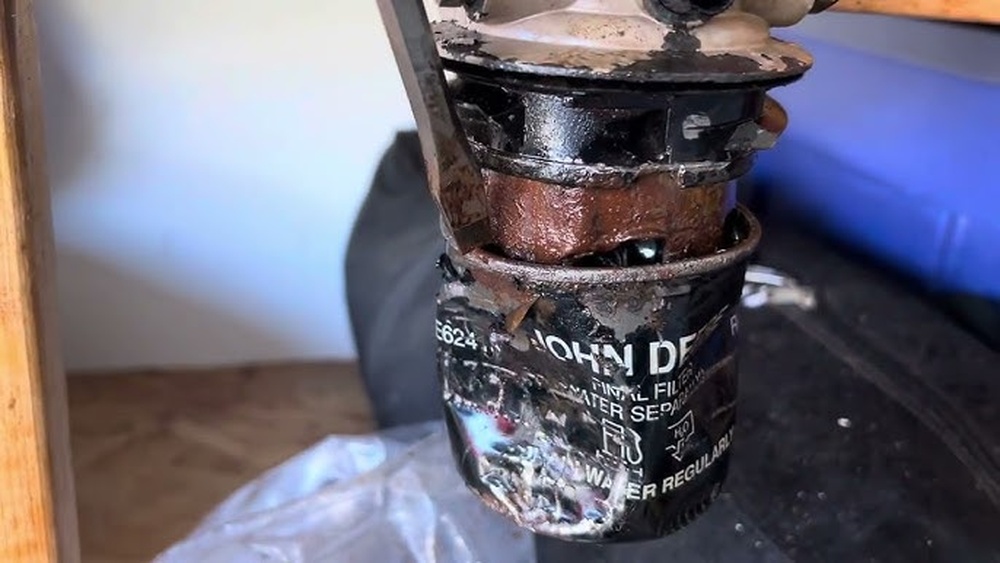
If you’ve ever wondered why your mower sometimes sputters or struggles to start, the answer might lie in how fuel moves through its inline filter. Understanding this simple yet vital process can save you time, money, and frustration.
You’ll discover exactly how fuel flows through the inline filter on your mower and why keeping it clean is key to smooth operation. Stick around—you’ll learn practical tips to keep your mower running like new, every time you step outside.
Fuel System Basics
The fuel system in a mower moves fuel from the tank to the engine. It helps the engine run smoothly. Understanding the basics of this system shows how each part works. The fuel flows through pipes and filters to reach the engine safely.
Each part has a special job. Together, they keep the mower running without problems. A clean fuel system means better performance and less chance of breakdowns.
Fuel Tank To Engine Path
Fuel starts in the tank. From there, it travels through a small hose. This hose connects the tank to the engine. The fuel moves by gravity or a small pump. It flows steadily to keep the engine working.
Along the path, fuel passes through several parts. These parts guide and clean the fuel. The path must be clear and free of leaks. Any blockage can stop the engine from running.
Role Of Fuel Filters
Fuel filters catch dirt and dust in the fuel. They stop tiny particles from reaching the engine. This protects the engine from damage. Filters help the fuel stay clean and pure.
Inline fuel filters sit directly in the fuel line. They are easy to install and replace. A good filter improves engine life and mower performance. Clean fuel means fewer repairs and smooth running.

Credit: www.amazon.com
Inline Filter Design
The inline filter on a mower plays a key role in keeping the fuel clean. It stops dirt and debris from reaching the engine. This helps the engine run smoothly and last longer. Understanding the filter’s design helps explain how fuel flows through it.
Filter Components
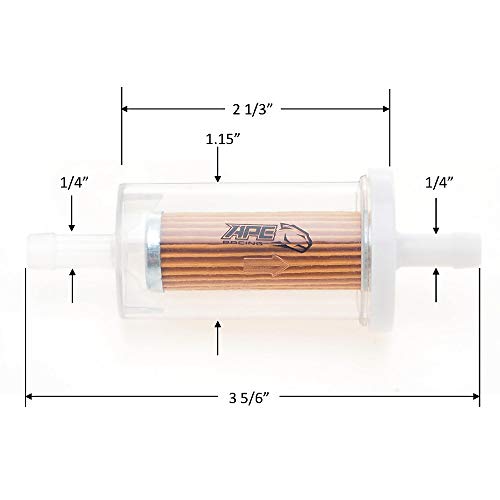
The inline filter has a simple design with a few main parts. There is a plastic or metal housing that holds the filter. Inside, a fine mesh or paper element traps dirt and particles. Some filters have a clear casing to see when they need cleaning. The ends of the filter connect to the fuel line with small fittings or clamps.
Filter Placement In Fuel Line
The filter is placed directly in the mower’s fuel line. It usually sits between the fuel tank and the carburetor. This position lets the filter catch impurities before fuel reaches the engine. The fuel flows through the filter element, which blocks debris but lets fuel pass freely. Correct placement ensures the mower runs without fuel blockages or damage.
Fuel Flow Process
The fuel flow process in a mower’s inline filter is simple yet important. It helps keep the engine running smoothly. Fuel travels from the tank through the filter before reaching the engine. This process ensures the fuel is clean and free of dirt. Clean fuel prevents damage and keeps the mower efficient.
Fuel Movement Through Filter
Fuel flows from the fuel tank into the inline filter. The filter sits in the fuel line. Fuel passes through the filter media inside. The flow is steady and controlled. The filter catches particles without stopping fuel flow. After filtering, fuel moves to the carburetor or fuel injectors. This flow keeps the engine supplied with clean fuel.
Contaminant Removal Mechanism
The inline filter traps dirt and debris from fuel. It uses a fine mesh or paper element. This element blocks particles but lets fuel pass. Larger particles get caught in the filter. Smaller ones stick to the filter fibers. The filter prevents these contaminants from reaching the engine. This stops clogs and engine damage. Regular filter checks keep the process effective.
Signs Of A Clogged Filter
A clogged inline fuel filter can cause many problems for your mower. It blocks fuel flow, making the engine work harder. Recognizing the signs early helps avoid costly repairs and keeps your mower running smoothly.
Performance Issues
The mower may start slowly or stall during use. Power drops, especially on hills or thick grass. The engine may run rough or hesitate. You might notice increased fuel consumption. These issues often point to a blocked fuel filter.
Visual Inspection Tips
Check the filter for dirt or debris buildup. Look for discoloration or dark spots on the filter material. Fuel flow may seem weak or stop completely through the filter. Inspect fuel lines for cracks or leaks near the filter. A clean filter looks clear and allows easy fuel flow.
Filter Maintenance
Maintaining the inline fuel filter on your mower is essential. It keeps the fuel clean and the engine running smoothly. Dirt and debris can clog the filter, reducing fuel flow. Regular care helps avoid engine problems and extends the mower’s life.
Cleaning Procedures
First, turn off the mower and let it cool. Disconnect the fuel line from the filter. Use a clean cloth to wipe the outside. Soak the filter in a container with clean gasoline or fuel cleaner. Gently shake to remove dirt. Let it dry completely before reinstalling.
Replacement Frequency
Replace the filter every 25 to 50 hours of use. Check it more often if you mow in dusty areas. A clogged filter may cause the engine to run rough. Changing the filter regularly keeps fuel flowing freely. Always use a filter that matches your mower model.

Credit: www.youtube.com
Choosing The Right Filter
Choosing the right fuel filter is important for your mower’s performance. A good filter keeps dirt and debris out of the engine. This helps the mower run smoothly and last longer. Picking the wrong filter can cause clogs and damage. Understanding different filter types and mower compatibility helps you make a smart choice.
Filter Types
Fuel filters come in several types. The most common are paper, foam, and metal mesh. Paper filters trap tiny particles well. Foam filters catch larger dirt bits and are reusable. Metal mesh filters are strong and easy to clean. Each type has a different cost and lifespan. Choose one that fits your mower’s needs and budget.
Compatibility With Mowers
Not all fuel filters fit every mower. Check your mower’s manual for the correct size and type. Using the wrong filter can cause leaks or poor fuel flow. Some mowers need inline filters, while others use bowl-type filters. Make sure the filter matches your mower’s fuel system. Proper fit ensures the mower runs without fuel blockages.
Credit: www.triangleophthalmology.com
Frequently Asked Questions
How Does Fuel Flow Through An Inline Filter?
Fuel enters the inline filter from the fuel tank. The filter traps dirt and debris. Clean fuel then flows to the engine. This protects the mower’s engine from damage and ensures smooth operation.
Why Is An Inline Fuel Filter Important For Mowers?
An inline fuel filter prevents contaminants from reaching the engine. It improves fuel efficiency and engine performance. Regular filter maintenance extends mower lifespan. Without it, debris could clog the fuel system and cause breakdowns.
How Often Should I Replace The Inline Fuel Filter?
Replace the inline fuel filter every 25-50 hours of use or yearly. Check the mower’s manual for specific intervals. Frequent replacement ensures optimal fuel flow and engine protection. Dirty filters reduce mower performance and increase fuel consumption.
Can A Clogged Inline Filter Affect Mower Performance?
Yes, a clogged filter restricts fuel flow to the engine. This causes poor engine performance, stalling, and difficulty starting. Regular filter checks prevent these issues. Cleaning or replacing the filter restores proper fuel flow.
Conclusion
Fuel flows steadily through the mower’s inline filter, keeping dirt out. This simple part helps the engine run smooth and last longer. Clean fuel means better mower performance and fewer problems. Regularly checking and changing the filter saves time and money.
Now you understand how fuel moves and why the filter matters. Keep your mower healthy with a clear, working inline filter. Easy steps lead to big results.