Is your fuel filter stuck and refusing to budge? You’re not alone, and this problem can be frustrating when you just want to get your vehicle back on the road.
But don’t worry—removing a stuck fuel filter isn’t as hard as it seems. With the right steps, tools, and a bit of patience, you can handle it yourself and save time and money. Keep reading to discover simple, effective tips that will help you get that stubborn fuel filter out quickly and safely.
Your car—and your wallet—will thank you.
Signs Of A Stuck Fuel Filter
A fuel filter is a small but important part of your vehicle. It keeps dirt and rust out of the fuel system. Over time, the filter can get stuck or clogged. This causes problems with your car’s engine. Knowing the signs of a stuck fuel filter helps you fix issues early. It saves you from bigger repairs and keeps your vehicle running smoothly.
Common Symptoms
Your car shows certain signs if the fuel filter is stuck. One common symptom is difficulty starting the engine. The engine may turn over slowly or not start at all. You might notice the car stalling often, especially at low speeds. Another sign is a rough idle, where the engine shakes or runs unevenly. Poor acceleration or hesitation when pressing the gas pedal also points to a stuck filter. Watch for these symptoms to catch problems early.
Impact On Vehicle Performance
A stuck fuel filter affects how well your vehicle runs. It limits fuel flow to the engine, reducing power. The engine may misfire or lose speed quickly. Fuel efficiency drops, causing more trips to the gas station. The car might emit black smoke or strange smells from the exhaust. Over time, the engine parts can wear out faster due to poor fuel supply. Fixing a stuck fuel filter improves performance and saves money on repairs.
Tools Needed For Removal
Removing a stuck fuel filter requires the right tools. Using proper tools makes the job easier and safer. Prepare all necessary tools before starting the removal process. This section lists the essential tools needed for removing a stuck fuel filter.
Basic Hand Tools
Basic hand tools are essential for most fuel filter removals. A set of wrenches helps loosen bolts and fittings. Use adjustable wrenches for various sizes of nuts. Pliers provide a firm grip on clamps and hoses. Screwdrivers assist in removing clamps or covers. A small hammer may help tap the filter gently to loosen it. Keep a rag nearby to clean fuel spills quickly.
Specialized Equipment
Specialized tools make removing stuck fuel filters easier. Fuel line disconnect tools fit specific fuel line connectors. These tools prevent damage while separating lines. A strap wrench can grip the filter without scratching it. Use penetrating oil to loosen rusted or stuck parts. Safety glasses protect your eyes from fuel splashes. Gloves keep your hands safe and clean during the task.
Safety Precautions
Removing a stuck fuel filter can be risky. Safety is the top priority. Fuel systems contain flammable liquids and vapors. These can cause fires or health problems. Taking precautions protects you and your vehicle. Follow safety steps carefully to avoid accidents.
Working With Fuel Systems
Fuel systems hold gasoline or diesel under pressure. Release the pressure before starting work. Work in a well-ventilated area to avoid fumes. Keep open flames and sparks far away. Avoid smoking near the vehicle. Use tools designed for fuel system work. Clean spills immediately to prevent hazards. Always disconnect the battery to stop electrical sparks.
Protective Gear
Wear safety glasses to protect your eyes from splashes. Use gloves made of chemical-resistant material. Long sleeves help protect your skin from fuel contact. Use a mask if fumes are strong or area is enclosed. Wear closed-toe shoes to protect your feet. Protective gear reduces risks of injury and illness. Always have a fire extinguisher nearby for emergencies.

Credit: www.youtube.com
Step-by-step Removal Process
Removing a stuck fuel filter can seem tough. The right steps make it easier and safer. Follow this simple process to remove the filter properly.
Relieving Fuel Pressure
Start by stopping the engine. Open the fuel cap to release pressure. Locate the fuel pump fuse and remove it. Try starting the engine to drain fuel lines. Wait a few minutes before moving on.
Disconnecting Fuel Lines
Wear gloves for safety. Find the fuel lines connected to the filter. Use pliers or a wrench to loosen clamps. Carefully pull the lines off the filter. Catch any fuel that may leak out.
Loosening The Filter
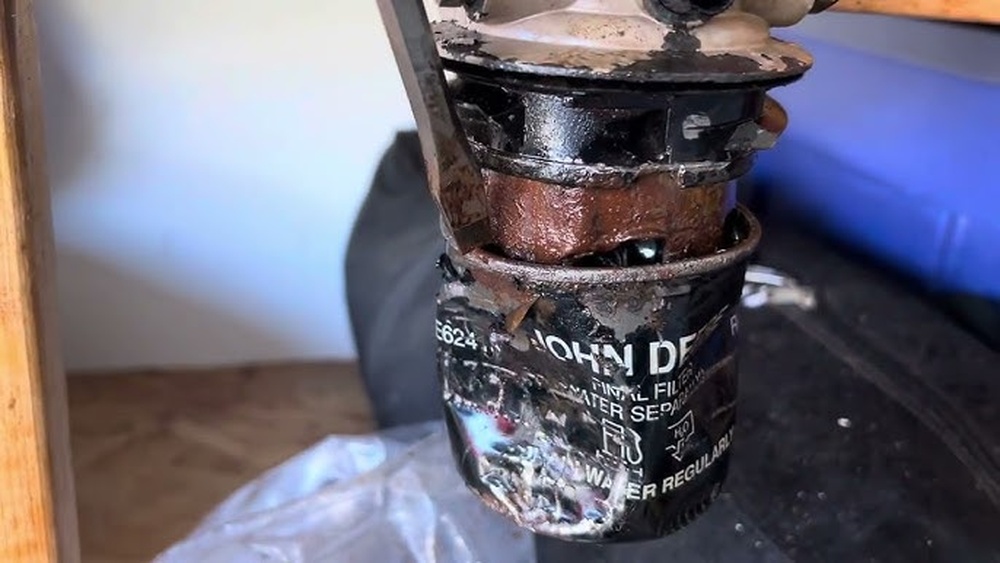
Use a filter wrench or strap tool. Turn the filter counterclockwise to loosen it. Apply steady pressure to avoid damage. If stuck, try tapping gently with a rubber mallet. Avoid using too much force.
Removing The Filter
Once loose, unscrew the filter by hand. Keep it upright to prevent spills. Dispose of the old filter properly. Clean the mounting area before installing a new filter. Check for leaks after installation.
Techniques For Stubborn Filters
Removing a stuck fuel filter can be tough. Filters often get tight due to dirt, rust, or old fuel residues. Using the right techniques helps you avoid damage to the fuel system. This section explains easy methods to loosen stubborn fuel filters safely and effectively.
Using Penetrating Oil
Penetrating oil helps loosen rust and dirt around the filter. Spray the oil generously on the filter’s base. Let it sit for 10 to 15 minutes. The oil seeps into tight spaces, making removal easier. Use a cloth to wipe away excess oil before trying to unscrew the filter.
Applying Heat Carefully
Heat expands metal parts and can free a stuck filter. Use a heat gun or hairdryer to warm the filter gently. Avoid direct flames to prevent damage. Heat the filter for 1 to 2 minutes, then try to turn it again. Be careful not to overheat nearby plastic or rubber parts.
Leveraging Specialized Tools
Tools designed for fuel filters make the job simpler. A fuel filter wrench fits around the filter’s body. It gives better grip and extra force for turning. Some filters need strap wrenches or pliers with soft jaws to avoid damage. Choose the right tool based on the filter type and size.

Credit: www.reddit.com
Replacing The Fuel Filter
Replacing the fuel filter is a crucial step after removing the stuck one. A new filter ensures clean fuel flows to your engine. This helps your vehicle run smoothly and saves fuel. Follow the right process to avoid any damage or leaks.
Choosing The Right Replacement
Select the fuel filter made for your vehicle model. Check the owner’s manual or ask at an auto parts store. Using the correct filter size and type prevents fitting problems. Avoid guessing to save time and money.
Installing The New Filter
Start by positioning the new filter in the same place as the old one. Connect the fuel lines carefully to avoid bending or kinking. Tighten the clamps firmly but do not over-tighten. Ensure the filter’s arrow points toward the engine.
Checking For Leaks
Turn on the engine and watch the filter area closely. Look for any fuel dripping or wet spots. Tighten connections again if you spot leaks. Running a leak-free fuel filter keeps your vehicle safe.
Maintenance Tips To Prevent Future Issues
Proper maintenance helps avoid stuck fuel filters. It saves time and money. Follow simple tips to keep your fuel system healthy. Regular care keeps your vehicle running smoothly.
Preventive steps reduce wear and tear on parts. It lowers the risk of fuel flow problems. Taking action early stops bigger repairs later.
Regular Inspection
Check the fuel filter often for dirt and damage. Look for signs of clogging or rust. Replace the filter as the manual suggests. Clean filters ensure good fuel flow. Inspections help catch issues before they worsen.
Fuel Quality Considerations
Use clean, high-quality fuel always. Poor fuel causes dirt buildup in the filter. Avoid filling from unknown or dirty sources. Add fuel stabilizers if the vehicle is unused. Good fuel protects your engine and filter.

Credit: mechanics.stackexchange.com
Frequently Asked Questions
How Do I Safely Remove A Stuck Fuel Filter?
To safely remove a stuck fuel filter, first relieve fuel system pressure. Use penetrating oil on the filter fittings. Gently tap with a wrench to loosen it. Always wear safety goggles and gloves to protect yourself during the process.
What Tools Are Needed To Remove A Stuck Fuel Filter?
Essential tools include a wrench set, penetrating oil, and a fuel line disconnect tool. A hammer and screwdriver may help loosen stubborn fittings. Safety gear like gloves and goggles is also necessary for protection.
Why Does A Fuel Filter Get Stuck During Removal?
Fuel filters get stuck due to rust, dirt buildup, or tight fittings. Corrosion can fuse the filter to the housing. Lack of regular maintenance increases the chance of filters seizing in place.
Can I Remove A Stuck Fuel Filter Without Professional Help?
Yes, you can remove it yourself with the right tools and precautions. Use penetrating oil and proper wrenches. If unsure, consult a manual or watch tutorials to avoid damage or injury.
Conclusion
Removing a stuck fuel filter can seem tough but is doable. Use the right tools and stay patient. Apply gentle force and try common methods first. Avoid rushing to prevent damage to parts. Take safety steps to protect yourself and your vehicle.
With care, you can complete this task successfully. Keep these tips in mind for future fixes. Remember, simple steps lead to better results every time.