Have you ever spotted a car on the road with its back wheels completely covered and wondered, “What’s up with that?” It’s a sight that can make you pause and ask questions.
You might think it’s just a quirky design, but there’s more behind those covered wheels than meets the eye. You’ll discover why some cars have this unique feature, how it affects their performance, and what it means for drivers like you.
Keep reading, and you’ll never look at that mysterious car the same way again.
Purpose Of Covered Rear Wheels
Covered rear wheels on cars serve specific purposes beyond style. They help improve the car’s performance and driving experience. Each benefit contributes to better handling, lower costs, or cleaner roads. Understanding these reasons explains why some cars have this unique design.
Improved Aerodynamics
Covering the rear wheels reduces air drag around them. This smooth shape helps air flow better along the car’s sides. Less air resistance means the car can move more easily and faster. This design is common in cars focused on speed and efficiency.
Enhanced Fuel Efficiency
With better aerodynamics, the engine uses less power to move the car. This lowers fuel consumption and saves money. Cars with covered rear wheels often show improved mileage. This feature helps drivers spend less on fuel over time.
Reduced Road Spray
Covered wheels block water and dirt thrown up by tires. This keeps the car and nearby vehicles cleaner. It also improves visibility for drivers behind the car. On wet roads, covered wheels reduce messy splashes on the road.
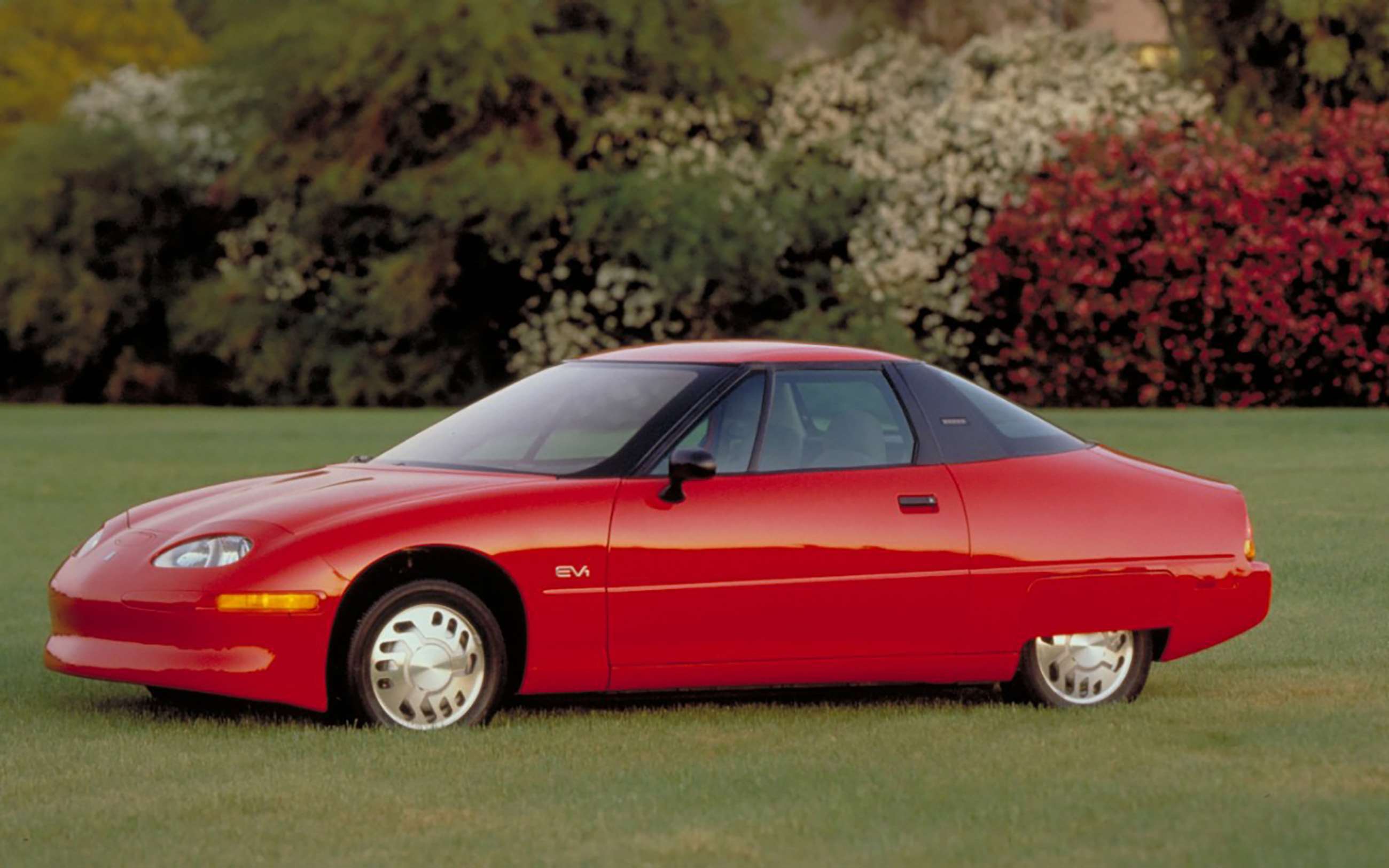
Credit: www.goodwood.com
Types Of Vehicles With Covered Rear Wheels
Vehicles with covered rear wheels stand out on roads. This design can improve aerodynamics and give cars a unique look. Different types of vehicles use this style for various reasons. Some use it for style, others for better performance. The following sections explore the main types of these vehicles.
Classic Car Designs
Many old cars had covered rear wheels. This style was popular in the 1930s and 1940s. It gave cars a sleek, smooth shape. These covers often matched the car’s body color. They made cars look elegant and fast. Classic models like the Chrysler Airflow and some Packards used this design. Today, collectors value these cars for their unique style.
Modern Electric Vehicles
Some modern electric cars use covered rear wheels. The covers help reduce air drag and improve battery range. Electric vehicles focus on efficiency. Covered wheels help achieve this goal. Models like the Tesla Model 3 and some versions of the BMW i3 have partial wheel covers. This design saves energy and gives cars a clean look.
Custom And Concept Cars
Car designers use covered rear wheels on custom and concept cars. These cars show new ideas and styles. Covers can make cars look futuristic and smooth. Designers often use unusual shapes and materials for the covers. Custom builders may add covers for style or to improve speed. Concept cars with covered wheels appear at auto shows to attract attention.
Design Variations Of Wheel Covers
Wheel covers come in many designs. Each style changes how the car looks and works. Some covers hide part of the wheel. Others cover the whole wheel. The choice depends on style, function, and car type. Understanding these design differences helps you spot that car with back wheels covered.
Partial Vs Full Coverage
Partial wheel covers only shield a small area of the wheel. They show some parts of the tire and rim. Full coverage covers the entire wheel surface. This can improve aerodynamics by reducing air drag. Full covers often give a smooth, clean look.
Partial covers offer a sporty or classic feel. Full coverage is common on electric or eco-friendly cars. Each type serves a unique purpose and style.
Materials Used
Wheel covers come in plastic, metal, or composite materials. Plastic is light and affordable. It can be shaped into many designs. Metal covers are stronger and more durable. They add a premium feel to the car. Composite materials blend strength and lightness. They resist damage and last longer.
The material affects weight, cost, and appearance. Car makers pick materials based on function and style.
Integration With Bodywork
Some wheel covers blend into the car’s bodywork. They create a seamless look with the car’s shape. This integration improves airflow and reduces drag. It also makes the car look modern and sleek.
Others stand out as separate parts. These can be replaced or customized easily. Integration level depends on the car’s design goals.

Credit: www.louisvillehondaworld.com
Benefits Beyond Aesthetics
Cars with back wheels covered often catch the eye. Yet, their design offers more than just looks. These covers bring real benefits that affect how the car drives and protects its parts.
Understanding these benefits helps appreciate the design choice better. It goes beyond style and touches on comfort, safety, and performance.
Noise Reduction
Wheel covers help lower the noise from air hitting the wheels. This makes the ride quieter inside the car. Drivers and passengers enjoy a more peaceful trip. Less noise also means less distraction for the driver.
Protection From Debris
Covered wheels shield the tires and brakes from dirt and stones. This keeps important parts cleaner and safer. It also reduces damage from road debris. The car stays in better shape longer.
Improved Stability
Wheel covers improve how air flows around the car. This reduces wind resistance and helps the car move smoothly. Better airflow means the car stays steady at higher speeds. Drivers feel more control and confidence on the road.
Common Misconceptions
Cars with back wheels covered often attract many myths. People see these designs and assume things that are not true. Let’s clear up some common misconceptions about these cars.
Safety Concerns
Many think covered back wheels make cars unsafe. They worry it limits tire movement or steering. Actually, these covers are designed to improve aerodynamics. They do not block the wheel’s function or driver control. Engineers test them to meet safety rules. Covered wheels can reduce air drag and improve fuel efficiency safely.
Maintenance Challenges
Some believe covered wheels cause more maintenance problems. They imagine it is hard to clean or fix tires. The covers are made to be removable. Mechanics can access the wheels easily when needed. Regular tire checks and changes stay simple. The covers protect wheels from dirt and damage in daily use.

Credit: www.reddit.com
Future Trends In Wheel Cover Design
Wheel covers with back wheels covered are evolving quickly. Their design is not just about looks anymore. It now includes better materials, technology, and care for the planet. These changes will shape the future of car wheels in many ways.
Innovations In Materials
New materials are lighter and stronger. They help cars use less fuel by reducing weight. Some covers use plastics that last longer and resist damage. Others include metals that improve durability. These materials also allow for new shapes and designs. This makes the car more stylish and efficient.
Impact Of Autonomous Vehicles
Self-driving cars need special wheel covers. These covers protect sensors and cameras on wheels. They also help reduce noise and air drag. Smooth covers improve the car’s speed and safety. Designers work to blend covers with the car’s smart systems. This makes driving safer and more comfortable.
Sustainability Considerations
Eco-friendly wheel covers are becoming popular. They use recycled or biodegradable materials. These covers reduce waste and pollution. Manufacturers aim to make covers easy to recycle. This helps protect nature and reduces car parts waste. Sustainable design is now a key part of wheel covers.
Frequently Asked Questions
What Is The Car With Covered Back Wheels Called?
It is called a “fender skirt” car. Fender skirts cover the rear wheels to improve aerodynamics and style. This design was popular in classic cars from the mid-20th century. It reduces drag and gives a sleek, smooth look to the vehicle.
Why Do Some Cars Have Covered Rear Wheels?
Covered rear wheels help reduce air resistance and improve fuel efficiency. They also give the car a vintage or futuristic appearance. This design was common in older luxury and concept cars. Today, it is mostly seen in custom or retro vehicles.
Are Covered Back Wheels Functional Or Just Aesthetic?
Covered back wheels serve both purposes. Functionally, they improve aerodynamics by reducing drag. Aesthetically, they create a streamlined, unique look. This combination enhances performance and visual appeal, especially in classic or specialty cars.
Which Car Models Feature Covered Rear Wheels?
Classic models like the Chevrolet Fleetline and Buick Roadmaster often had covered rear wheels. Some custom and concept cars also use fender skirts. These models emphasize style and aerodynamic efficiency, reflecting automotive design trends from the 1930s to 1960s.
Conclusion
That car with back wheels covered stands out with a unique look. It helps improve speed and saves fuel. Many drivers like it for style and function. These covers also protect wheels from dirt and damage. Now, you can spot such cars more easily on roads.
They show how design and science work together. Next time you see one, you will know why it looks different. A simple change can make a big difference in driving.