When it comes to your Volvo’s braking system, precision matters. You might wonder, how does Volvo measure brake rotors to ensure safety and performance?
Understanding this process can help you keep your car running smoothly and avoid costly repairs. You’ll discover the simple yet crucial steps Volvo takes to measure brake rotors accurately. By the end, you’ll feel more confident about maintaining your brakes and knowing exactly when it’s time for a replacement.
Keep reading to unlock the secrets behind your car’s stopping power.

Credit: www.amazon.com
Brake Rotor Basics
Brake rotors are a key part of a car’s braking system. They work with brake pads to slow down or stop the vehicle safely. Understanding the basics of brake rotors helps you know how they affect your car’s performance and safety.
Volvo measures brake rotors carefully to ensure proper fit and function. This helps keep your car’s brakes working well and lasting longer.
Role Of Brake Rotors
Brake rotors are metal discs attached to the wheel hub. When you press the brake pedal, brake pads squeeze the rotors. This creates friction that slows the wheel’s rotation. The friction turns your car’s kinetic energy into heat. This process stops or slows the vehicle.
Rotors must handle high temperatures without warping or cracking. Good rotors provide smooth braking and better control. Worn or damaged rotors can cause vibrations and longer stopping distances.
Common Rotor Types
There are two main types of brake rotors: solid and vented. Solid rotors are simple, flat discs. They work well for smaller cars or light driving.
Vented rotors have a space between two layers. This space helps air flow and cool the rotor faster. Vented rotors are common in larger vehicles and performance cars. They reduce heat build-up and improve braking under tough conditions.
Credit: www.import-car.com
Volvo’s Measurement Standards
Volvo follows strict rules to measure brake rotors. These rules ensure safety and good performance. Every rotor must meet exact sizes and quality levels. This keeps Volvo cars reliable and safe on the road.
Measurement helps detect wear and tear early. It also guides when to replace parts. Volvo uses special tools and methods for precise checks. This standardization helps maintain high brake efficiency.
Key Metrics For Rotors
Volvo measures the rotor thickness carefully. The rotor must have a minimum thickness for safety. They also check the rotor’s diameter and surface flatness. These metrics affect how well the brakes work.
Heat resistance and material quality are also important. Proper measurements prevent brake failure and reduce noise. Volvo uses these metrics to keep brake parts within limits.
Tolerance Levels
Tolerance means how much a rotor can differ from the ideal size. Volvo sets tight tolerance levels to ensure parts fit perfectly. Too much variation can cause brake problems or wear out parts faster.
Volvo’s tolerance levels help maintain smooth braking and safety. They check rotors against these limits during service. This helps keep the braking system reliable and consistent.
Tools Used For Measurement
Measuring the brake rotor on a Volvo requires precision tools. These tools help check the rotor’s thickness and surface condition. Accurate measurement ensures safe braking and long-lasting parts.
Micrometers And Calipers
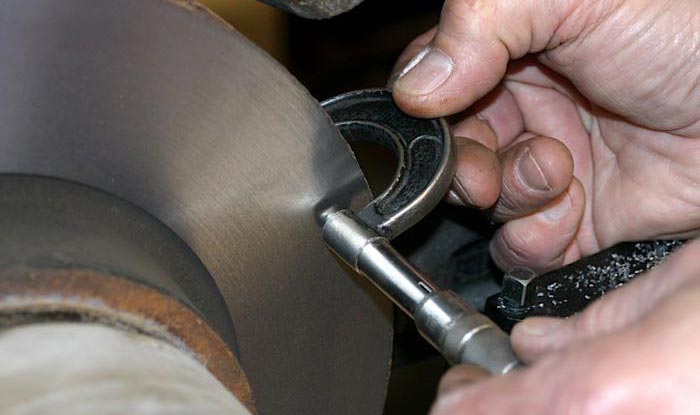
Micrometers and calipers are common tools for measuring brake rotors. Micrometers measure thickness with high accuracy. Calipers can measure both inside and outside diameters. Both tools give exact numbers to compare with Volvo’s specs.
Dial Indicators
Dial indicators measure rotor runout. Runout means the rotor’s surface is uneven or warped. This tool shows small movements as the rotor spins. It helps detect wobbling that can cause brake noise or vibrations.
Specialized Volvo Tools
Volvo uses tools made specifically for their brake systems. These tools match Volvo’s design and measurement needs. They help mechanics check rotor wear and surface flatness quickly. Using the right tool keeps measurements reliable and safe.
Step-by-step Measurement Process
Measuring a Volvo brake rotor is a clear process. It ensures the rotor works well and stays safe. Following the steps carefully helps avoid mistakes. This guide breaks down the measurement into simple parts. Each step checks a different rotor aspect. Let’s explore these steps in detail.
Preparing The Rotor
Start by cleaning the rotor. Use a brake cleaner to remove dust and dirt. Dry the rotor completely before measuring. Make sure the rotor is off the car. Place it on a flat, stable surface. This step helps get accurate results.
Measuring Thickness
Use a micrometer or caliper to measure thickness. Measure at several points around the rotor. Write down the smallest measurement found. Compare this to the Volvo minimum thickness specs. Replace the rotor if it is too thin.
Checking Runout
Runout means how much the rotor wobbles. Use a dial indicator to check this. Attach the indicator to a fixed point near the rotor. Slowly rotate the rotor and watch the dial. Note any movement over the allowed limit. High runout can cause brake vibration.
Assessing Surface Condition
Look closely at the rotor surface. Check for cracks, grooves, or rust spots. Minor surface wear is normal but deep damage is not. A rough or uneven surface affects brake performance. Replace or resurface the rotor if needed.
Common Measurement Challenges
Measuring brake rotors on a Volvo is not always simple. Several challenges can affect the accuracy of the measurements. These issues can lead to incorrect readings and affect brake performance. Understanding common problems helps maintain safe and efficient brakes.
Dealing With Wear And Corrosion
Brake rotors face constant friction and heat. This causes wear, making the surface uneven over time. Rust can build up, especially in wet conditions. Both wear and corrosion change the rotor’s thickness. Measuring on a worn or rusty rotor gives false results. Clean the rotor before measuring to get better accuracy. Check multiple points to find the thinnest areas.
Ensuring Consistent Accuracy
Consistent measurement is key for safety. Small errors can lead to wrong conclusions about rotor health. Use the same tool and method every time. Digital calipers or micrometers work best for precise readings. Measure at the same spots on the rotor to compare results. Repeat measurements to confirm accuracy. Record all values to track changes over time.
Interpreting Measurement Results
Interpreting brake rotor measurements is key to keeping your Volvo safe. The numbers tell you if the rotors can still work well or need replacing. Understanding these results helps you avoid brake problems and costly repairs.
When To Replace Rotors
Check the rotor thickness against Volvo’s minimum limit. If the rotor is thinner than the limit, replace it immediately. Thin rotors can crack or warp under heat. This lowers brake performance and safety. Always use a micrometer or caliper for precise measurement.
Also, look for deep grooves or scoring. These marks mean the rotor surface is worn out. If the surface is uneven, the rotor cannot provide smooth braking. Replacing rotors on time keeps your brakes reliable and steady.
Signs Of Rotor Warping
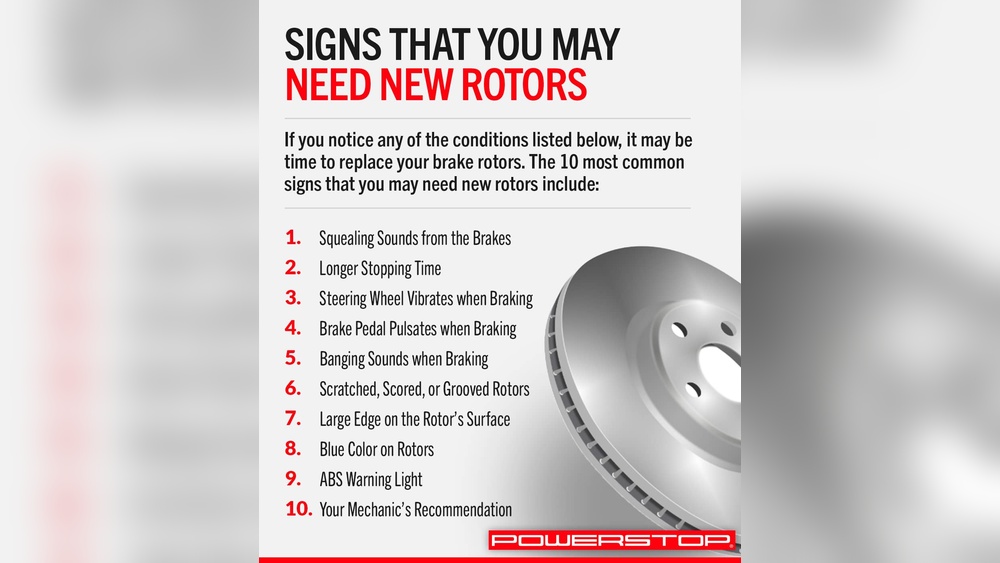
Rotor warping causes brake vibration or shaking when you press the pedal. Feel a pulsing brake pedal? It often means the rotors are warped. Warping happens from heat stress or uneven wear.
Visual signs include uneven rotor surface or discoloration. Blue or dark spots show overheating. Warped rotors reduce braking control and increase stopping distance. Replace warped rotors to restore smooth braking and safety.
Maintenance Tips For Longevity
Maintaining your Volvo’s brake rotors helps them last longer and work better. Proper care prevents costly repairs and keeps driving safe. Simple habits protect the rotors from wear and damage.
Regular Inspections
Check brake rotors often for signs of wear or damage. Look for grooves, cracks, or uneven surfaces. Use a micrometer or a rotor gauge for exact measurements. Replace rotors if they fall below the minimum thickness set by Volvo. Early detection saves money and avoids brake failure.
Proper Brake Usage
Apply brakes smoothly and avoid sudden stops whenever possible. Hard braking heats rotors quickly and causes warping. Give brakes time to cool after heavy use. Avoid riding the brake pedal during downhill drives. These habits reduce rotor stress and extend their life.

Credit: www.ebay.com
Technological Advances In Measurement
Volvo uses advanced tools to measure brake rotors with great accuracy. These tools help ensure safety and performance. Modern technology makes the measurement process faster and more precise. It helps detect wear and tear early. This section explores two key technologies Volvo uses for brake rotor measurement.
Digital Gauges
Digital gauges are precise tools that show exact rotor thickness. They replace old manual methods. The gauge uses electronic sensors to measure the rotor surface. It gives a quick digital reading on a screen. This reduces human error and saves time. Volvo technicians use these gauges during regular maintenance checks. The clear digital display helps spot worn rotors easily.
3d Scanning Techniques
3D scanning creates a detailed model of the brake rotor. It captures every curve and surface imperfection. This technique uses lasers or cameras to scan the rotor in seconds. The scan data shows exact measurements and any damage. Volvo uses this data to decide if a rotor needs replacing or resurfacing. 3D scanning improves accuracy beyond traditional tools. It supports better safety and performance checks.
Frequently Asked Questions
How Does Volvo Measure Brake Rotor Thickness?
Volvo measures brake rotor thickness using a micrometer or caliper. The measurement is taken at multiple points to ensure even wear. This helps determine if the rotor meets the minimum thickness specified by Volvo for safe braking.
What Tools Are Needed To Measure Volvo Brake Rotors?
A micrometer or digital caliper is needed to measure Volvo brake rotors. These tools provide precise thickness measurements. Proper tools ensure accurate readings, helping maintain the vehicle’s braking efficiency and safety.
Why Is Measuring Brake Rotor Thickness Important For Volvo Cars?
Measuring brake rotor thickness ensures safe braking performance in Volvo cars. Thin rotors can cause vibrations and reduced stopping power. Regular checks prevent brake failure and maintain optimal vehicle safety.
How Often Should Volvo Brake Rotors Be Measured?
Volvo recommends measuring brake rotors during every brake pad replacement or every 12,000 miles. Frequent checks help detect wear early. This practice maintains braking efficiency and prevents costly repairs.
Conclusion
Volvo measures brake rotors with precise tools for safety. They check thickness and wear carefully. Proper rotor size helps brakes work well and last longer. Knowing how Volvo measures rotors helps you understand brake care better. Always keep your brake rotors in good shape for safe driving.
Regular checks prevent problems and keep your car reliable. Simple steps make a big difference in brake performance.