

Rust on your brake rotors can cause more than just an ugly look—it can affect your car’s safety and performance. If you’ve noticed that rough sound or feel when you brake, rust might be the culprit.
But don’t worry, you don’t have to let rust take over your ride. You’ll discover simple, effective ways to stop rust from damaging your brake rotors. Keep reading, and you’ll learn how to protect your brakes, save money on repairs, and drive with confidence again.

Credit: www.youtube.com
Causes Of Rust On Brake Rotors
Rust on brake rotors happens for several reasons. Understanding these causes helps protect your vehicle. Rust can affect brake performance and safety. Knowing what leads to rust helps you prevent it.
Moisture And Environmental Factors
Brake rotors face water and moisture every day. Rain, snow, and humidity cause metal to oxidize. Salt on roads speeds up rust formation. Parking outside exposes rotors to these elements. The longer rotors stay wet, the more rust forms.
Lack Of Regular Use
Cars that sit unused often develop rust on rotors. Brakes need regular use to clean off rust. Driving helps remove surface rust through friction. Without use, rust builds up and hardens. This can cause noise and reduce brake efficiency.
Material And Coating Issues
Brake rotors are made from different metals. Some metals rust faster than others. Cheap rotors may lack protective coatings. Coatings help prevent rust by blocking moisture. Without good coating, rotors corrode quickly. Choosing quality rotors reduces rust problems.
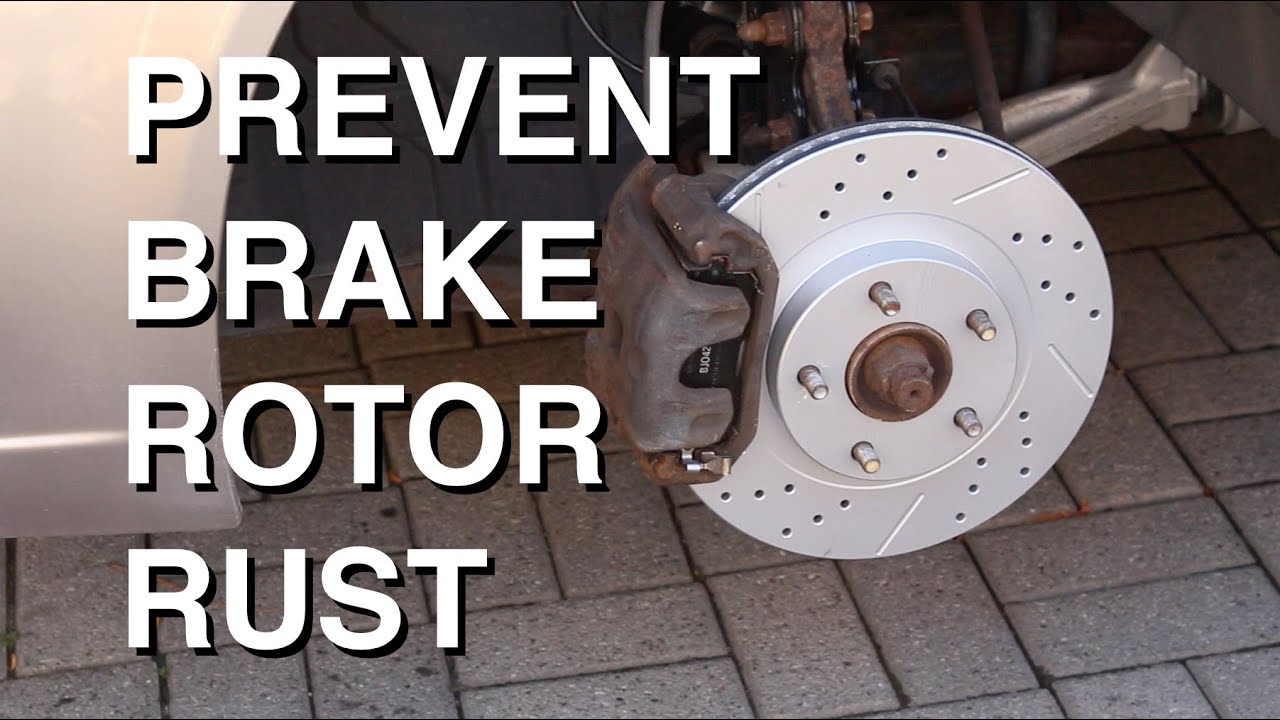
Credit: www.youtube.com
Signs Of Rust On Brake Rotors
Rust on brake rotors can cause problems with your car’s braking system. Knowing the signs of rust early helps keep driving safe. Rust can show up in different ways. It affects how your brakes look, sound, and work. Recognizing these signs helps you take action quickly.
Visual Indicators
Rust often looks like a reddish-brown coating on the rotor surface. It may appear as small spots or cover the entire rotor. Rust can cause uneven wear marks or rough patches. Sometimes, you might see flakes of rust breaking off. These signs mean the rotor is corroding and needs attention.
Performance Symptoms
Rust on rotors can reduce braking power. Your car may take longer to stop or feel less responsive. The brake pedal might feel soft or spongy. You could notice the brakes grabbing suddenly or unevenly. These symptoms signal the rotor surface is compromised by rust.
Noise And Vibration
Rusty rotors often cause strange sounds when braking. You might hear squeaking, grinding, or scraping noises. These sounds come from rust rubbing against brake pads. Vibration in the brake pedal or steering wheel is common too. This happens because rust creates an uneven rotor surface.
Cleaning Rust From Brake Rotors
Rust on brake rotors can reduce braking efficiency and cause noise. Cleaning rust is important to keep your brakes working well. Simple methods can remove light rust without special tools. For heavier rust, more effort or professional help may be needed.
Using Brake Cleaner
Brake cleaner sprays dissolve rust and dirt on rotors quickly. Spray the cleaner evenly on the rotor surface. Let it sit for a few minutes to break down rust. Wipe with a clean cloth to remove loosened rust and grime. Repeat if needed for stubborn spots. Brake cleaner is safe for most rotor types.
Sanding And Buffing Techniques
Sandpaper can remove surface rust effectively. Use fine grit sandpaper to avoid scratching deeply. Rub the rusted area in a circular motion. After sanding, buff the rotor with a clean cloth. This smooths the surface and removes rust dust. Wear gloves and eye protection during this process.
Professional Rust Removal
Severe rust may require professional help. Mechanics use special tools like wire brushes or sandblasters. These tools clean rust deeply without damaging rotors. Professionals can also check rotor thickness and balance. Trust experts for safe and thorough rust removal. This ensures your brakes stay reliable and safe.
Preventive Measures For Rust
Rust on brake rotors reduces their life and harms vehicle safety. Preventive measures help keep rotors clean and rust-free. Simple steps can protect rotors from moisture and dirt. These methods save money on repairs and ensure smooth braking.
Regular Driving And Maintenance
Driving often helps stop rust from building on rotors. Use the car regularly to keep rotors dry and clean. Wet rotors dry quickly with frequent use. Check rotors during oil changes or tire rotations. Clean rotors by gently wiping off dirt and dust. Regular brake inspections catch rust early.
Applying Protective Coatings
Protective coatings form a barrier against moisture and air. Use anti-rust sprays made for brake parts. Spray coatings evenly on rotor surfaces after cleaning. Avoid coating the braking surface directly. Reapply coatings after washing or heavy rain. Protective layers slow down rust development.
Proper Storage Tips
Store vehicles in dry, covered places to protect rotors. Avoid parking on grass or dirt where moisture stays. Use a car cover to block rain and dust. Lift the car off the ground if storing long-term. Remove wheels occasionally to check rotor condition. Good storage reduces rust risks significantly.
Choosing Rust-resistant Brake Rotors
Choosing rust-resistant brake rotors helps keep your car safe and working well. Rust can reduce the life of rotors and affect braking. Picking the right rotor stops rust before it starts. This section explains what to look for in rust-resistant brake rotors.
Materials With Better Corrosion Resistance
Some materials resist rust better than others. Stainless steel rotors do not rust easily. They last longer but cost more. Cast iron is common but rusts fast. Ceramic rotors resist rust and heat. They keep brakes cool and clean. Choosing rust-resistant materials means less maintenance.
Coated Vs. Uncoated Rotors
Coated rotors have a special layer to block rust. This layer stops moisture from touching the metal. Uncoated rotors can rust quickly, especially in wet areas. Coated rotors look better for longer. They need less cleaning and last longer. The coating can wear off over time, though.
Cost And Longevity Considerations
Rust-resistant rotors cost more upfront. They save money later by lasting longer. Cheap rotors may rust fast and need replacement. Good rotors reduce brake problems and repairs. Spending more now means fewer worries later. Think about how long you want your rotors to last.
Maintenance Tips For Long-lasting Rotors
Brake rotors face constant wear and tear. Rust can form quickly, especially in wet weather. Proper care helps keep rotors clean and working well. Following simple maintenance tips extends rotor life and improves safety.
Regular attention prevents rust buildup. Small efforts save money and avoid brake problems later.
Routine Inspections
Check rotors often for rust or damage. Look closely at the rotor surface for rough spots. Inspect after driving in rain or snow. Early detection stops rust from spreading. Use a flashlight for better visibility. Clean lightly with a wire brush if needed.
Timely Replacement
Replace rotors when worn or rusted deeply. Thin rotors lose braking power and heat resistance. Follow manufacturer guidelines for replacement intervals. Don’t delay if you hear squeaking or grinding sounds. Fresh rotors improve safety and brake feel.
Brake Pad Compatibility
Choose brake pads that match your rotors. Wrong pads cause uneven wear and rust spots. Use pads recommended for your vehicle type. Quality pads reduce rotor damage and noise. Changing pads regularly keeps rotors smoother longer.

Credit: geobrakes.com
Frequently Asked Questions
How Can I Prevent Rust On Brake Rotors?
Regular driving helps prevent rust by keeping rotors dry and clean. Clean rotors with a wire brush and apply anti-rust spray. Store your vehicle in a dry, covered area to reduce moisture exposure. Frequent maintenance ensures longer rotor life and better braking performance.
What Causes Rust To Form On Brake Rotors?
Rust forms when moisture contacts the iron in brake rotors. Exposure to rain, humidity, and road salt accelerates rust buildup. Lack of driving allows rust to develop since rotors don’t heat up enough to evaporate moisture. Proper care and regular use prevent rust formation.
Is Rust On Brake Rotors Dangerous?
Light surface rust is common and usually harmless, wearing off after driving. However, heavy rust can reduce braking efficiency and cause noise or vibration. Inspect rotors regularly and replace or resurface if corrosion affects braking safety. Always address severe rust promptly.
How Often Should Brake Rotors Be Cleaned To Prevent Rust?
Clean brake rotors every 1-2 months, especially in humid or wet climates. Frequent cleaning removes dirt, salt, and moisture that cause rust. Use a wire brush and brake cleaner for best results. Regular cleaning extends rotor life and maintains braking performance.
Conclusion
Rust on brake rotors can cause serious problems if left alone. Regular cleaning and driving help keep rust away. Using protective sprays slows down rust buildup. Always check your brakes for signs of rust or wear. Taking simple steps prevents damage and saves money.
Keep your car safe and running smoothly. Small efforts lead to long-lasting brake performance. Don’t ignore rust—act early to avoid bigger issues. Your brakes deserve care and attention every day.


