Have you ever wondered why some cars catch your eye instantly with a brilliant shine? The secret often lies in one simple step: waxing.
Waxing your car does more than just make it look good—it protects your paint and keeps your vehicle looking fresh for longer. If you want your car to stand out on the road and turn heads wherever you go, understanding how waxing works is key.
Keep reading to discover how this easy step can transform your car’s appearance and give it that showroom shine you’ve always wanted.
Benefits Of Car Waxing
Waxing a car is a simple step that brings many benefits. It improves the car’s look and protects the paint. Regular waxing keeps the surface smooth and shiny. It also helps the car stay clean longer. Here are some key benefits of car waxing.
Enhancing Paint Gloss
Wax adds a shiny layer on the car’s paint. This layer reflects light better, making the color look bright. It makes the car look fresh and new. A glossy finish attracts attention and shows care.
Protecting Against Elements
Wax acts as a barrier against dirt, rain, and sun. It shields the paint from harmful UV rays. This prevents fading and cracking over time. Wax also stops water spots and bird droppings from sticking.
Reducing Surface Imperfections
Wax fills tiny scratches and swirls on the paint. This makes the surface feel smooth and look even. It hides minor flaws and improves overall appearance. A well-waxed car looks clean and well-maintained.

Credit: bigsmobile.com
Types Of Car Wax
Car wax is essential for a deep, lasting shine. It protects the paint and makes the car look new. Different types of wax offer different benefits. Knowing these types helps you pick the best one for your car’s needs.
Natural Vs Synthetic Waxes
Natural waxes come from plants, like carnauba. They give a warm, rich shine and a smooth finish. Synthetic waxes are made in labs. They last longer and resist water better. Natural wax feels more traditional. Synthetic wax is easier to apply and more durable.
Paste, Liquid, And Spray Forms
Paste wax is thick and lasts long. It needs more effort to apply but gives a strong shine. Liquid wax spreads easily and dries faster. It suits quick jobs and regular use. Spray wax is the fastest to use. It adds a light shine and is good for touch-ups.
Choosing The Right Wax For Your Car
Pick wax based on your car’s paint type and your time. Hard paint can handle natural wax well. Softer paint may need synthetic wax for protection. Consider how often you wax. Paste lasts longer but takes time. Liquids and sprays save time but need more frequent use.
Waxing Process Steps
Waxing a car is a simple process that brings out a deep shine and protects the paint. Understanding the steps of waxing helps you achieve the best results. This section breaks down the key stages to follow for a glossy finish.
Preparing The Car Surface
Start with a clean car. Dirt and dust stop wax from sticking well. Wash the car thoroughly using soap made for cars. Dry the surface completely with a soft towel. Check for any stuck-on bugs or tar and remove them. A smooth, clean surface makes waxing easier and more effective.
Applying Wax Correctly
Use a soft applicator pad to apply wax. Spread a thin, even layer over one small section at a time. Avoid thick layers because they take longer to dry and can leave streaks. Work in circular motions to cover the paint evenly. Let the wax sit until it looks cloudy or hazy. This step helps the wax bond with the car’s surface.
Buffing For Maximum Shine
Take a clean, dry microfiber cloth to buff the wax. Use light pressure and circular motions to remove the hazy layer. Buff until the surface shines and feels smooth. This step reveals the car’s glossy finish and removes any leftover wax residue. Regular buffing keeps the shine fresh and protects the paint longer.
Common Waxing Mistakes
Waxing a car makes it shine and protects the paint. Many people make mistakes that reduce the shine. Avoiding these errors helps get the best results. Here are common waxing mistakes to watch out for.
Applying On Dirty Surfaces
Wax should never go on a dirty car. Dirt and dust block the wax from sticking well. They can cause scratches when rubbed in. Always wash and dry your car before waxing. Clean surfaces help wax create a smooth, shiny finish.
Using Too Much Or Too Little Wax
Too much wax is hard to remove and leaves streaks. Too little wax does not protect the paint enough. Use a small amount of wax and apply evenly. Thin layers work best for a bright shine and good protection.
Waxing In Direct Sunlight
Sunlight heats the car’s surface. Wax dries too fast and becomes difficult to spread. This leads to uneven coverage and spots. Wax your car in shade or during cooler parts of the day. This helps the wax set properly and shine evenly.
Maintaining The Shine
Maintaining the shine of your car after waxing is important to keep it looking fresh and glossy. Wax protects the paint but needs care to stay effective. Simple steps can help your car’s shine last longer and look great every day.
Regular care helps the wax layer stay strong and keeps dirt from sticking. Small habits make a big difference in preserving that smooth, shiny finish.
Frequency Of Waxing
Wax your car every three to four months for best results. This schedule keeps the protective layer active. Too much waxing can cause buildup, while too little lets the shine fade.
Check your car’s surface often. If water stops beading, it is time to wax again. This simple test shows if the wax layer is still working well.
Washing Tips To Preserve Wax
Wash your car gently to keep the wax intact. Use soft sponges or microfiber cloths. Avoid harsh brushes and strong detergents that strip wax away.
Rinse thoroughly to remove dirt and soap. Dry the car with a clean, soft towel to prevent water spots. Clean washing helps the wax last longer and keeps the shine bright.
Using Quick Detailers Between Waxes
Quick detailers are sprays that refresh wax between full applications. Spray them on and wipe with a clean cloth. This removes dust and adds a layer of shine.
Use quick detailers after washing or when the car looks dull. They help maintain the glossy look without a full wax job. Easy and fast to use for a shiny finish every day.

Credit: www.armorall.com
Waxing Vs Other Shine Methods
Waxing a car remains a popular way to create a deep, glossy shine. Other methods also offer shine and protection but work differently. Comparing waxing to polishing, sealants, and ceramic coatings helps choose the best method for your car’s needs. Each option has unique benefits and fits different situations.
Waxing Compared To Polishing
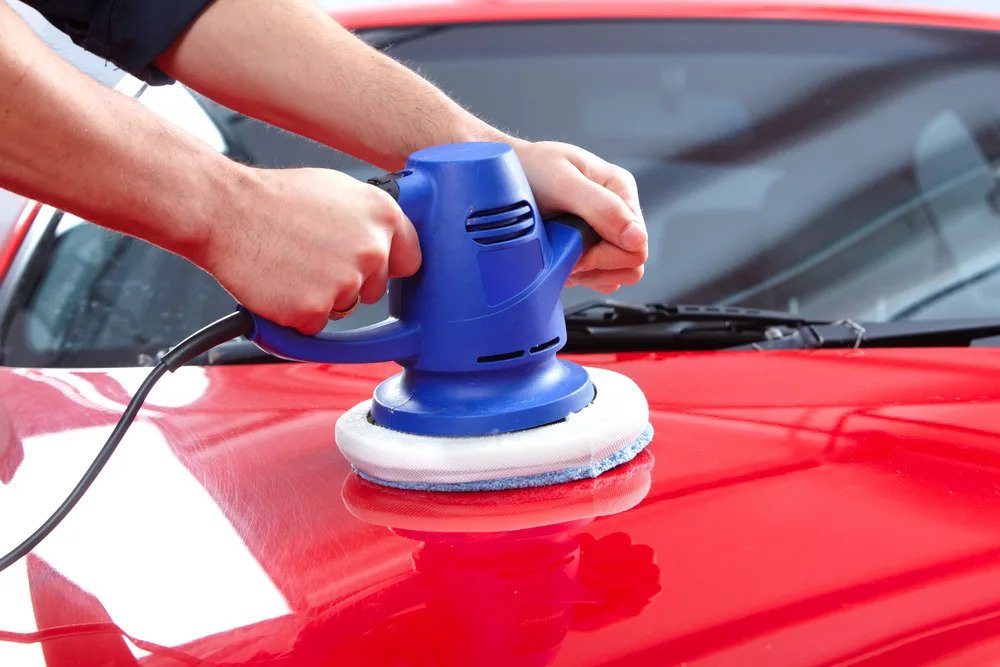
Waxing adds a protective layer on the car’s surface. It enhances shine and repels water and dirt. Polishing removes small scratches and imperfections from the paint. It makes the surface smooth and reflective. Polishing prepares the car for waxing by cleaning and leveling the paint. Waxing is easier and quicker than polishing. Polishing takes more time and skill but improves shine deeply.
Sealants And Ceramic Coatings
Sealants provide a synthetic protective layer that lasts longer than wax. They resist chemicals and UV rays better. Ceramic coatings offer even stronger protection and shine. They bond with the paint for months or years. Both sealants and ceramic coatings create a glossy finish. Waxing usually lasts a few weeks, while sealants and coatings last much longer. These options need special application and care.
When To Choose Each Option
Choose waxing for quick shine and easy application. It works well for regular car care. Polishing suits cars with faded or scratched paint. Use it before waxing to restore smoothness. Sealants fit drivers who want longer-lasting protection. Ceramic coatings are best for those who want deep shine and strong defense. Consider time, budget, and skill before choosing a method.
Credit: ethoscarcare.com
Frequently Asked Questions
Why Does Waxing A Car Improve Its Shine?
Waxing adds a protective layer that reflects light evenly. This layer smooths the surface, making the paint appear glossier and more vibrant.
How Often Should I Wax My Car For Best Shine?
For optimal shine, wax your car every three months. Regular waxing maintains protection and enhances the car’s glossy finish over time.
Can Waxing Protect My Car’s Paint From Damage?
Yes, waxing shields paint from UV rays, dirt, and moisture. This protection prevents fading, oxidation, and minor scratches, keeping the paint intact longer.
Does Waxing A Car Remove Scratches Or Imperfections?
Waxing doesn’t remove scratches but can mask minor imperfections. It fills tiny scratches, making them less visible and improving the overall shine.
Conclusion
Waxing a car adds a smooth, shiny layer to the paint. This layer protects the surface from dirt and sun damage. It also helps water slide off easily, keeping the car cleaner longer. Regular waxing keeps the paint looking fresh and bright.
It makes your car stand out on the road. Simple steps, big difference. Shine that lasts and protection you can trust. Waxing is a small effort with great results. Try it and see your car glow.