

You’ve just spent time waxing your car, and it looks amazing—shiny, smooth, and protected. But then you notice dark clouds gathering, and a question pops into your mind: How long after you wax your car can it rain without ruining your hard work?
You want to keep that glossy finish safe, but you also can’t control the weather. Understanding the right wait time can save you frustration and help your car stay looking its best. You’ll discover exactly how long you should wait before the rain hits, so you can protect your car’s shine and enjoy the results of your effort.
Keep reading to find out!
Wax Drying Time
Wax drying time is key after waxing your car. It affects how well the wax protects your paint. Knowing how long the wax needs before rain helps keep your car shiny and safe. This section explains the drying stages and how long each takes.
Initial Drying Period
The initial drying period is when the wax feels dry to touch. This usually takes 20 to 30 minutes. During this time, the wax hardens slightly on the surface. It is not fully set yet. Avoid touching or washing the car during this stage.
Curing Process Duration
The curing process is when wax fully bonds to the paint. This can take several hours to a full day. The wax becomes tough and water-resistant after curing. Rain can damage wax that has not fully cured. Wait at least 4 to 6 hours before rain exposure for best results.
Impact Of Rain On Fresh Wax
Rain can affect fresh car wax in different ways. Wax needs time to dry and bond with the car’s surface. When rain falls too soon after waxing, it can cause problems. Understanding the impact of rain on fresh wax helps protect your car’s shine and finish.
Potential Damage Risks
Rain can wash away some wax if it is not fully dry. This weakens the protective layer on the paint. Dirt and grime in rainwater can stick to the wet wax. This can cause scratches or marks on the car. Fresh wax is softer and more vulnerable to damage. The risk is higher during heavy rain or storms.
Effect On Shine And Protection
Rain can dull the shine of fresh wax. Water spots may form and leave marks after drying. The protective barrier created by wax may become less effective. This means the car is less shielded from dirt and UV rays. Waiting at least 24 hours before rain helps maintain the wax’s benefits. Proper drying time ensures a stronger, longer-lasting finish.
Weather Factors To Consider
Weather plays a big role in how well your car wax holds up. Rain can wash away wax if it falls too soon. Knowing which weather factors affect wax helps protect your car’s shine. Planning wax timing around weather can keep your car looking great longer.
Humidity And Temperature Effects
High humidity can slow wax drying. Wax needs to harden before rain or moisture hits it. Warm temperatures help wax cure faster. Cold weather makes wax stay soft and sticky longer. Moist air can cause water spots on waxed surfaces. Dry, mild weather is best for waxing. It helps wax set fully and last longer.
Timing Waxing Around Weather Forecasts
Check the weather forecast before waxing your car. Avoid waxing if rain is expected within 24 hours. Wax needs at least one day to dry well. Morning waxing gives more drying time before afternoon showers. Plan waxing on clear, sunny days. This prevents rain from washing off fresh wax. Timing helps protect your car’s shine and paint.

Credit: www.reddit.com
Expert Recommendations
Experts give clear advice on how to protect your car wax from rain. Following their tips helps keep your car shiny and safe. Knowing the right wait time and wax method makes a big difference.
Minimum Waiting Time Before Rain
Most experts say wait at least 24 hours after waxing before rain hits. This time lets the wax fully harden and bond to the paint. Wax left wet or soft can wash away easily. Some premium waxes may need 12 to 24 hours of drying. Avoid driving or washing the car during this time. Staying dry ensures the wax lasts longer and protects well.
Best Practices For Wax Application
Apply wax in thin, even layers for best results. Thick layers take longer to dry and may peel off. Use a clean, soft cloth or foam applicator to spread wax gently. Work in small sections to cover the entire car smoothly. Let the wax dry to a haze before buffing with a microfiber towel. Buffing well makes the surface shine and seals the wax. Always wax your car in shade and on a cool surface. This stops the wax from drying too fast or unevenly.
Types Of Car Wax And Drying Times
Understanding the types of car wax helps in knowing how long to wait before rain. Different waxes dry at different speeds. This affects the protection they give to your car’s paint. Knowing drying times helps keep your car safe from water spots and damage.
Natural Vs Synthetic Waxes
Natural waxes come from plants like carnauba. They give a deep shine but need more time to dry. Typically, natural waxes take about 30 minutes to an hour to set fully. They can be sensitive to rain if it falls too soon after application.
Synthetic waxes are made from chemicals. They dry faster, often within 20 to 30 minutes. Synthetic waxes provide longer-lasting protection. They resist rain better shortly after application than natural waxes.
Spray Vs Paste Wax Timing
Spray waxes dry quickly. Most dry in 10 to 20 minutes. This means you can expect some rain after this short wait. Spray waxes offer convenience but may need frequent reapplication.
Paste waxes take longer to dry. They usually need 30 minutes or more. Paste wax creates a thicker, stronger layer on your car. It offers better protection but requires more patience before rain.

Credit: www.reddit.com
Signs Wax Is Ready For Rain
Knowing when your car wax is ready for rain protects your car’s shine and paint. Wax needs time to harden and bond to the paint. Rushing into rain too soon can wash away the wax or leave streaks. Watch for clear signs showing the wax is set and safe.
Visual And Tactile Indicators
Look at the wax layer closely. It should appear smooth and even, not cloudy or sticky. A glossy shine means the wax has settled well. Touch the surface gently. It should feel dry, not oily or tacky. If the wax feels soft or sticky, it needs more time to cure.
Testing Wax Cure
Test the wax by sprinkling a few drops of water on the surface. If the water beads up and rolls off, the wax is ready. Flat or absorbed water means the wax is still curing. Another test is to run your finger lightly over the wax. No smudges or residue should appear. These simple tests help avoid damage from early rain.
Tips For Protecting Wax In Unexpected Rain
Protecting your car’s wax from unexpected rain is important. Fresh wax can wash away or lose its shine if wet too soon. Taking simple steps helps keep the wax strong and your car looking great.
These tips focus on quick actions and easy tools to protect your wax. They save your work and keep the car safe from rain damage.
Quick Drying Techniques
Dry your car as soon as rain stops. Use a soft microfiber towel to gently remove water. Avoid rubbing hard to keep the wax layer intact. Patting the surface helps prevent scratches and water spots.
Use a blower or air dryer if available. It pushes water out of tight spots fast. This method dries the wax without touching the paint. Quick drying stops water from settling and damaging the wax.
Using Protective Covers
Cover your car if rain is expected after waxing. Use a breathable car cover to avoid moisture buildup. Plastic sheets can trap water and harm the wax. A good cover blocks rain and dust at the same time.
Keep the cover clean and dry before use. Wet or dirty covers can leave marks on your wax. Secure the cover tightly to prevent it from blowing away. This simple step protects your wax from rain and dirt.
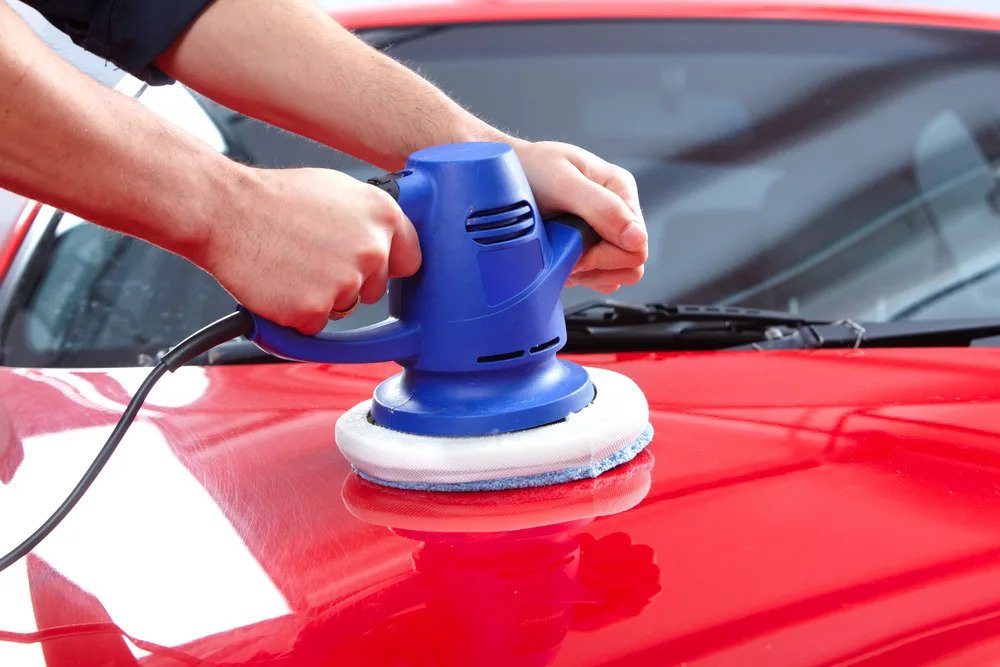
Credit: ethoscarcare.com
Frequently Asked Questions
How Long Should You Wait To Wax Before Rain?
Wait at least 24 hours after waxing before rain exposure. This allows the wax to fully cure and bond to the car’s surface. Early rain can wash away or damage the wax, reducing its protective effect and shine.
Can Rain Damage A Freshly Waxed Car?
Yes, rain can damage fresh wax by washing it off or causing streaks. Fresh wax needs time to harden. If it rains too soon, the wax layer may become uneven or lose its protective qualities.
Does Humidity Affect Waxing And Rain Timing?
High humidity can slow wax drying and curing time. In humid conditions, wait longer than usual, ideally 24-48 hours, before rain exposure. This ensures the wax sets properly for lasting protection.
What Happens If It Rains Immediately After Waxing?
Immediate rain can ruin the wax layer, causing streaks and uneven protection. The wax won’t have bonded well, reducing its durability. For best results, avoid rain for at least a full day after waxing.
Conclusion
Car wax needs time to dry fully before rain falls. Usually, wait at least 24 hours for best results. Wax sticks better and protects paint longer this way. Rain too soon can wash wax off or leave spots. Patience helps keep your car shiny and safe.
Check weather before waxing to avoid quick rain. Taking these steps keeps your car looking great. Simple care makes a big difference over time.


