Are you tired of spending hours scrubbing your car by hand? A home pressure car wash might sound like the perfect solution to save you time and effort.
But how good are these machines really? Can they deliver a sparkling clean without damaging your vehicle? You’ll discover the truth about home pressure car washes and whether they’re worth adding to your cleaning routine. Keep reading to find out how you can get the best results and protect your car’s finish at the same time.
Benefits Of Home Pressure Washers
Home pressure washers offer many advantages for cleaning your house and yard. They save time and effort compared to scrubbing by hand. These machines are powerful and can make surfaces look new again. Many people enjoy using them because they work quickly and easily.
Owning a pressure washer at home gives control over cleaning tasks. You can clean whenever you want without waiting for a professional. It is a useful tool for homeowners who want to keep their property neat and tidy.
Cost Savings Over Professional Services
Pressure washers reduce spending on outside cleaning help. Professional services can be expensive, especially for big jobs. Buying a home pressure washer is a one-time cost that pays off over time. It lets you clean many areas without extra fees.
You avoid repeated charges by doing the work yourself. This is ideal for regular cleaning needs. The machine’s durability means fewer repairs and replacements.
Convenience And Accessibility
Home pressure washers provide easy access to cleaning anytime. No need to book appointments or wait for workers. You can clean small spills or large areas quickly. They are lightweight and simple to move around the house.
The machines start with a push of a button. This saves energy and effort during cleaning. You control water pressure based on the surface to protect it.
Versatility For Various Surfaces
Pressure washers work well on many surfaces like driveways, decks, and siding. They can remove dirt, mold, and stains effectively. Some models come with adjustable nozzles for delicate surfaces.
This versatility makes the washer a useful tool for different cleaning jobs. You can also use it on cars, garden furniture, and fences. It helps maintain a clean and attractive home environment.
Potential Risks And Drawbacks
Home pressure car washes offer convenience but carry some risks. Knowing these helps you avoid damage and problems. Use care and follow safety tips to protect your car and yourself.
Surface Damage Possibilities
High pressure can harm car paint or decals. It may chip or peel paint if held too close. Sensitive parts like mirrors and lights can crack. Use the correct pressure setting for your car type. Test on a small area first to be safe.
Water Waste And Environmental Concerns
Pressure washers use a lot of water quickly. Excess water can run off into drains and pollute streams. Some soaps and cleaners may harm plants and wildlife. Choose eco-friendly detergents and use water wisely. Limit wash time to reduce waste.
Safety Hazards During Use
Strong water jets can cause injuries if misused. The force can cut skin or knock objects over. Slippery surfaces increase fall risks. Wear protective gear like gloves and goggles. Keep children and pets away while washing.
Choosing The Right Pressure Washer
Choosing the right pressure washer is key for a good car wash at home. The right tool makes cleaning easier and protects your car’s surface. Many options exist, so knowing what fits your needs helps save time and money.
Types And Power Levels
Pressure washers come in electric and gas models. Electric washers suit small jobs and light dirt. Gas washers offer more power for tough grime. Power is measured in PSI (pounds per square inch) and GPM (gallons per minute). Higher PSI means stronger water pressure. Higher GPM means more water flow. Both affect cleaning speed and quality.
Essential Features To Consider
Look for adjustable pressure settings. This lets you clean different surfaces safely. A long hose and wand reach hard spots. Choose washers with detergent tanks for easier soap use. Lightweight models are easier to move. Safety features like a trigger lock prevent accidents. These features improve cleaning and user experience.
Budget Vs. Quality Trade-offs
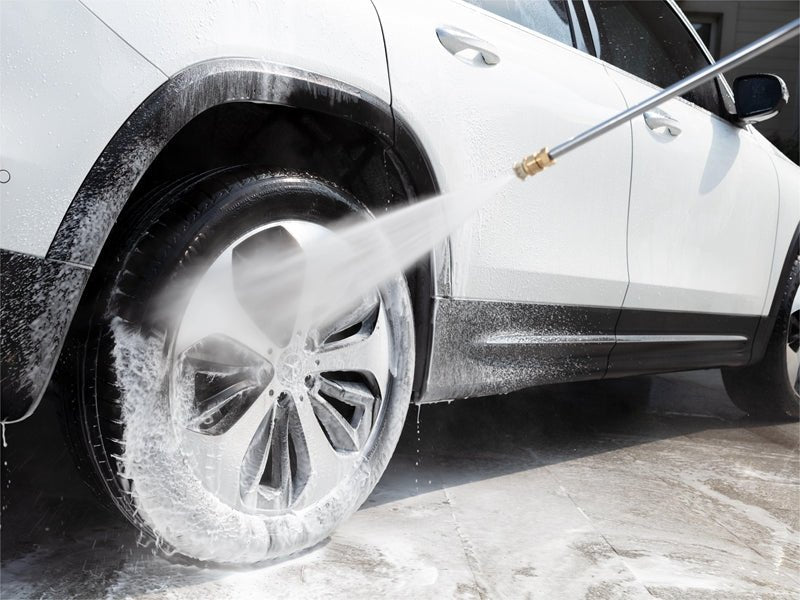
Cheaper washers may lack power and durability. High-quality models last longer and clean better. Think about how often you will use it. Frequent use justifies spending more on a good washer. Occasional use might only need a basic model. Balance cost with features and performance for best value.
Credit: giraffetools.com
Best Practices For Safe Cleaning
Cleaning your home with a pressure washer can save time and effort. Following safe cleaning practices protects your surfaces and yourself. Simple rules help you avoid damage and stay safe during use. Use the right tools and techniques for the best results.
Proper Distance And Angles
Keep the pressure washer nozzle at least 12 inches from surfaces. Holding it too close can cause damage. Use a 45-degree angle to spray. This angle cleans well and reduces the risk of harm. Move the spray in a steady, sweeping motion. Avoid staying in one spot too long.
Using Appropriate Nozzles
Choose the right nozzle for your cleaning task. Wide-angle nozzles cover more area with less pressure. Narrow nozzles increase pressure but may harm delicate surfaces. Use low-pressure nozzles on painted walls or wood. Use higher pressure only on hard surfaces like concrete. Always check the nozzle size before starting.
Protective Gear Recommendations
Wear safety glasses to protect your eyes from debris. Gloves protect your hands from strong water spray and chemicals. Use non-slip shoes to prevent falls on wet surfaces. Long pants and sleeves protect your skin from spray and dirt. Safety gear reduces injury risk during cleaning.
Common Mistakes To Avoid
Using a home pressure car wash can save time and effort. Yet, mistakes can reduce its effectiveness or cause damage. Avoiding common errors helps you clean safely and well. Focus on pressure levels, surface care, and tool upkeep. These points keep your car and equipment in good shape.
Overusing High Pressure
High pressure may seem better for dirt removal. Too much pressure can harm paint and delicate parts. Stick to the recommended pressure settings. Use lower pressure for fragile areas like windows and trim. Control the spray distance to avoid damage. Gentle cleaning often works best for long-term care.
Ignoring Surface Material Guidelines
Cars have different surfaces needing different care. Metal, plastic, glass, and rubber react differently to pressure. Read your car’s manual for cleaning advice. Some parts need soft brushes or special detergents. Avoid harsh chemicals that can fade or crack materials. Respect each surface to keep your car looking new.
Neglecting Maintenance And Storage
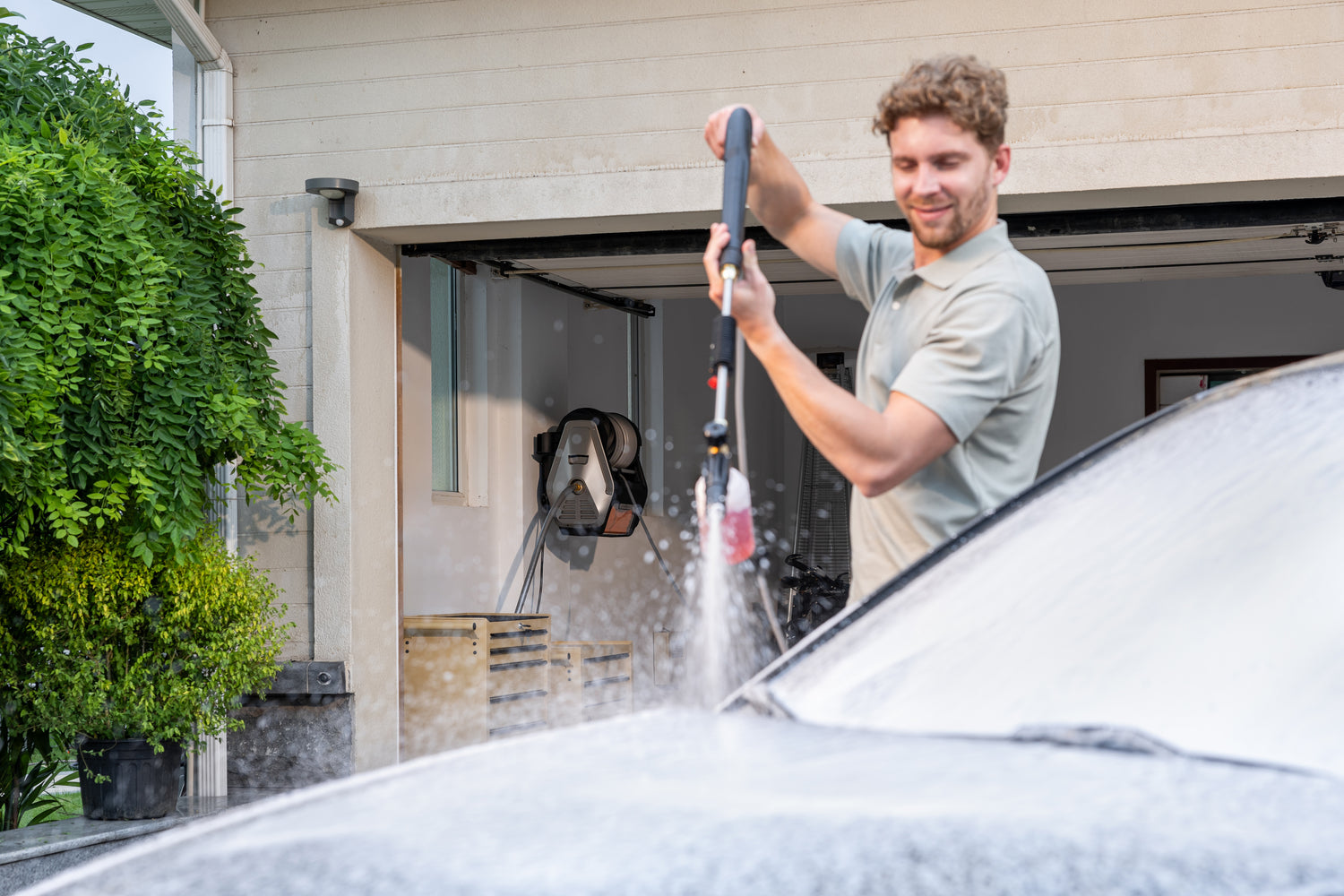
Pressure washers need care like any tool. Clean the nozzle and hoses after each use. Check for leaks or worn parts regularly. Store the equipment in a dry, cool place. Protect it from freezing or direct sunlight. Proper maintenance extends the life of your washer and ensures safety.
Credit: giraffetools.com
Alternatives To Pressure Washing
Pressure washing is popular for cleaning homes quickly. Still, some people want other ways to clean their houses. These alternatives can be safer, cheaper, or better for the environment. Knowing these options helps you choose what fits your needs best.
Traditional Cleaning Methods
Soap, water, and a brush work well for many cleaning tasks. Scrubbing by hand removes dirt without strong tools. It takes more time but is gentle on surfaces. This method uses less water and no electricity. It is good for small or delicate areas.
Eco-friendly Cleaning Options
Natural cleaners use ingredients like vinegar or baking soda. These options do not harm plants or animals. They clean without harsh chemicals that damage paint or wood. Eco-friendly products are safe for families and pets. Using them supports a healthier home and planet.
Hiring Professional Services
Professionals know the best ways to clean your home. They use the right tools and cleaners for each surface. Hiring experts saves your time and effort. They can handle tough stains and hard-to-reach spots. This option is good for large or heavily soiled areas.

Credit: www.amazon.com
Frequently Asked Questions
How Effective Are Home Pressure Car Washes?
Home pressure car washes clean dirt and grime efficiently. They save time and water compared to traditional methods. However, effectiveness depends on water pressure, nozzle type, and cleaning technique used.
Are Home Pressure Car Washes Safe For Car Paint?
When used correctly, home pressure car washes are safe for paint. Avoid high pressure and keep the nozzle at a distance. Using proper detergents also protects the car’s finish from damage.
Can Home Pressure Washers Remove Tough Stains?
Yes, home pressure washers can remove tough stains like mud and bird droppings. Stubborn stains may require a combination of detergent and moderate pressure for best results.
How Much Water Do Home Pressure Car Washes Use?
Home pressure car washes use less water than garden hoses. On average, they consume 1. 5 to 3 gallons per minute, making them more eco-friendly and cost-effective for regular car cleaning.
Conclusion
Home pressure car washes offer a quick and easy way to clean vehicles. They save time and effort compared to manual washing. These machines provide good results for light dirt and dust. Still, they may struggle with tough stains or heavy grime.
Users should follow safety tips to avoid damage to paint or parts. Overall, home pressure car washes work well for regular maintenance. They keep cars looking fresh without much hassle. Consider your needs before choosing one for your vehicle care.
Simple, effective cleaning is possible with the right equipment.