Have you ever stopped to think about what’s actually in your car’s seat covers? You might be surprised to learn that some materials used in seat covers can contain harmful chemicals linked to serious health risks, including cancer.
If you spend a lot of time in your car, these hidden dangers could be affecting your well-being without you even realizing it. You’ll discover which substances to watch out for and how to protect yourself and your family. Keep reading—your health could depend on it.

Credit: carfurnisher.com
Common Materials In Seat Covers
Seat covers use different materials to provide comfort and style. Some common materials can contain harmful chemicals. These chemicals may pose health risks over time. Understanding these materials helps in choosing safer seat covers.
Leather And Synthetic Alternatives
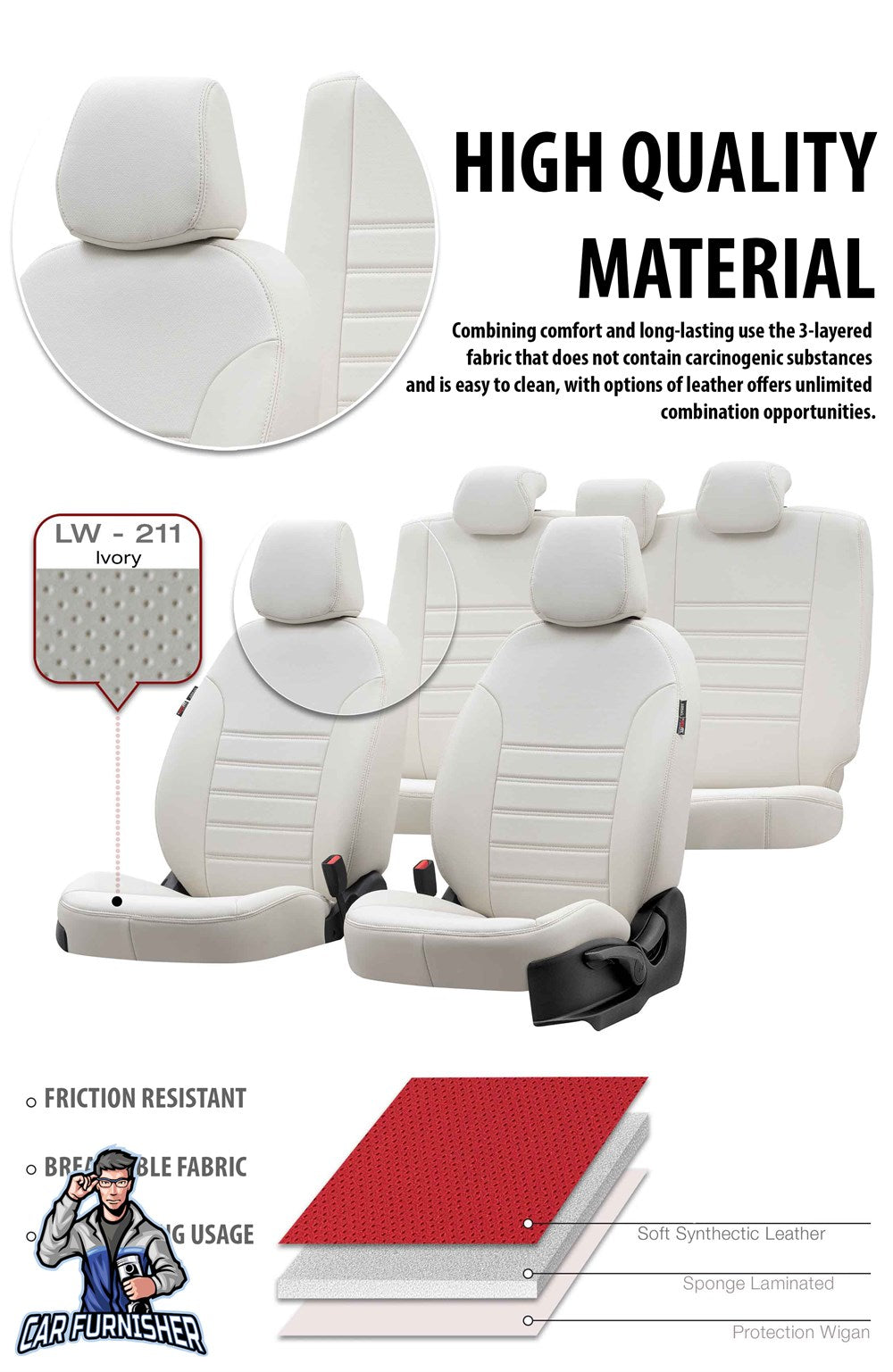
Leather seat covers are popular for their look and feel. Genuine leather may contain tanning chemicals like chromium. Some of these chemicals can be toxic.
Synthetic leather, also known as faux leather, uses plastic compounds. These plastics often include phthalates. Phthalates are linked to health concerns, including cancer risks.
Foam And Padding Components
Foam padding makes seat covers soft and comfortable. Many foams contain flame retardants to meet safety rules. Some flame retardants have chemicals called PBDEs.
PBDEs can be harmful and may increase cancer risks. Low-quality foam may release volatile organic compounds (VOCs). VOCs can irritate lungs and affect health.
Dyes And Chemical Treatments
Seat covers often have dyes to add color. Some dyes contain azo compounds. Certain azo dyes can break down into carcinogenic substances.
Covers may also get chemical treatments for water and stain resistance. These treatments can include perfluorinated compounds (PFCs). PFCs are persistent chemicals linked to health problems.
Credit: carfurnisher.com
Carcinogenic Chemicals Found
Car seat covers often contain chemicals that may harm health. Some of these chemicals can cause cancer. Knowing which chemicals are in seat covers helps you stay safe. This section explains common carcinogenic chemicals found in car seat covers.
Formaldehyde And Its Uses
Formaldehyde is a chemical used to make fabrics stronger. It helps seat covers resist wrinkles and stains. This chemical can release gas into the air inside the car. Breathing formaldehyde over time may increase cancer risk. It is important to check if seat covers contain this chemical.
Phthalates In Plastics And Vinyl
Phthalates make plastics soft and flexible. They are found in many vinyl car seat covers. Phthalates can enter the body through skin contact or air. Studies link phthalates to cancer and hormone problems. Avoiding seat covers with high phthalate levels can reduce risks.
Heavy Metals And Flame Retardants
Heavy metals like lead and cadmium are sometimes in seat covers. Flame retardants are added to reduce fire risk. Both can be toxic and cause cancer. These chemicals may build up in the body over time. Choosing safer seat covers helps limit exposure.
Health Risks Linked To Seat Covers
Seat covers may seem harmless but can pose health risks. Many contain chemicals that affect indoor air quality. Some materials release harmful substances that cause health problems. Understanding these risks helps you choose safer options for your car.
Short-term Exposure Effects
Breathing in fumes from some seat covers can cause headaches. Eyes may become irritated or red. Skin contact with certain materials may cause rashes or itching. Some people feel dizzy or nauseous after exposure. These effects usually appear soon after contact.
Long-term Cancer Risks
Certain chemicals in seat covers can increase cancer risk over time. Polyvinyl chloride (PVC) and flame retardants often release toxic compounds. Prolonged exposure to these chemicals affects lung and liver health. Some substances are linked to bladder and kidney cancers. These risks grow with repeated, long-term contact.
Vulnerable Groups And Sensitivities
Children are more sensitive to chemical exposure from seat covers. Pregnant women face higher risks for their unborn babies. People with asthma or allergies may experience worsened symptoms. Elderly individuals often have weaker immune responses. Choosing low-toxicity seat covers can reduce risks for these groups.
Detection And Testing Methods
Detecting carcinogenic substances in car seat covers is important for health safety. Many chemicals in fabrics and foams can be harmful. Testing helps identify these toxic elements before use.
Lab Testing For Toxic Chemicals
Professional labs analyze seat cover materials for harmful chemicals. They test for substances like formaldehyde and phthalates. These chemicals may cause cancer with long exposure. Labs use special tools to detect even tiny amounts.
Results from lab tests show if a product is safe or risky. This scientific method is the most accurate way to check for toxins.
Diy Detection Tips
You can perform simple tests at home to check seat covers. Smell the fabric; strong chemical odors can be a warning. Look for unusual colors or sticky textures on the cover. These signs may indicate chemical treatments or contamination.
Use a small piece of fabric with water and watch for color changes. This test is basic but can give clues about harmful dyes or finishes.
Certifications To Look For
Trusted labels show a seat cover meets safety standards. Certifications like OEKO-TEX or GREENGUARD mean fewer toxic chemicals. These marks come from third-party testing organizations. They ensure products are free from many known carcinogens.
Check for these certifications before buying to reduce health risks. Certified products offer peace of mind about chemical safety.
Safer Seat Cover Alternatives
Choosing safer seat covers protects you from harmful chemicals. Many traditional covers release toxic substances over time. These chemicals can cause health problems. Safer options use natural materials and avoid dangerous additives. They offer comfort and safety without risk.
Natural And Organic Materials
Seat covers made from cotton, wool, or hemp are good choices. These materials are free from synthetic chemicals. Organic fabrics avoid pesticides and harmful dyes. They feel soft and breathe well. Natural fibers reduce the chance of skin irritation. They also break down more easily in nature.
Low-voc And Non-toxic Options
Volatile organic compounds (VOCs) harm indoor air quality. Low-VOC seat covers release fewer chemicals into the car. Non-toxic options use safer glues and dyes. They do not emit strong odors. These covers keep your car air cleaner. Choose products labeled low-VOC or non-toxic for safety.
Brands Prioritizing Health
Some companies design seat covers with health in mind. They test materials for chemical safety. These brands often use eco-friendly processes. Customer reviews can show which brands care about safety. Supporting these brands helps reduce toxic exposure. Find trusted brands that focus on healthy products.

Credit: www.amazon.com
Reducing Exposure In Your Vehicle
Reducing exposure to carcinogenic substances in car seat covers helps protect your health. Chemicals in some seat materials can release harmful particles. These particles can build up inside your vehicle over time. Taking simple steps lowers your risk and keeps your car environment safer.
Proper Ventilation Practices
Open windows or doors before driving. Let fresh air circulate for several minutes. Use the car’s air conditioning with fresh air mode. Avoid recirculating inside air only. Good airflow helps remove harmful chemicals from the cabin.
Regular Cleaning Techniques
Clean seat covers often to reduce chemical buildup. Use mild soap and water for fabric covers. Wipe down vinyl or leather with suitable cleaners. Avoid harsh chemicals that may add toxins. Vacuum seats regularly to remove dust and particles.
Avoiding Prolonged Contact
Limit long periods sitting on new or treated seat covers. Chemicals can transfer through skin over time. Use seat cushions or covers made from natural materials. Change or wash covers if you notice odors or irritation. Small changes reduce your chemical exposure significantly.
Regulations And Industry Standards
Regulations and industry standards play a key role in keeping seat covers safe for drivers and passengers. They set rules to limit harmful chemicals in materials. These rules protect people from carcinogenic substances in car seat covers.
Safety standards focus on testing and controlling toxic chemicals. Manufacturers must follow these rules to sell products. Regular updates help keep the rules strong as new research appears.
Current Safety Guidelines
Current safety guidelines limit the use of known carcinogens in seat covers. These include chemicals like formaldehyde and certain flame retardants. Testing methods check for these chemicals before products reach the market. Manufacturers must meet specific limits to ensure safety. These rules help reduce risks from harmful substances.
Recent Changes And Updates
Recent updates have tightened restrictions on toxic chemicals. Some substances once allowed are now banned or limited. New testing procedures have been introduced for better accuracy. These changes respond to research linking chemicals to cancer risks. They push manufacturers to use safer materials and processes.
Advocacy And Consumer Rights
Advocacy groups work to improve safety standards for seat covers. They raise awareness about carcinogenic risks to consumers. These groups push for stronger laws and better transparency. Consumers have the right to know what chemicals are in their products. Advocacy helps ensure safer choices and better protection for all.
Frequently Asked Questions
What Materials In Seat Covers Are Carcinogenic?
Some seat covers contain flame retardants and chemical dyes linked to cancer. These substances can release harmful fumes over time. Avoid covers with PVC, polyurethane, or toxic flame retardants to reduce risks.
How Do Carcinogens In Seat Covers Affect Health?
Carcinogenic chemicals in seat covers may cause respiratory issues and increase cancer risk. Prolonged exposure to toxic fumes can damage lungs and skin. Proper ventilation and choosing safe materials help minimize health problems.
Are Leather Seat Covers Safer Than Synthetic Ones?
Genuine leather is generally safer but may be treated with harmful chemicals. Synthetic covers often contain plasticizers and flame retardants that pose cancer risks. Always verify product safety certifications before purchasing any seat cover.
Can Seat Covers Release Carcinogenic Gases Indoors?
Yes, some seat covers emit volatile organic compounds (VOCs) that are carcinogenic. These gases accumulate in enclosed car cabins, impacting air quality. Regular airing and selecting low-VOC products reduce exposure.
Conclusion
Carcinogenic chemicals in some seat covers can harm health. Choosing natural or certified materials lowers risks. Always check labels and product details before buying. Proper ventilation inside cars also helps reduce exposure. Protecting yourself starts with awareness and smart choices.
Stay informed to keep your car safe and healthy. Small steps make a big difference in daily life.