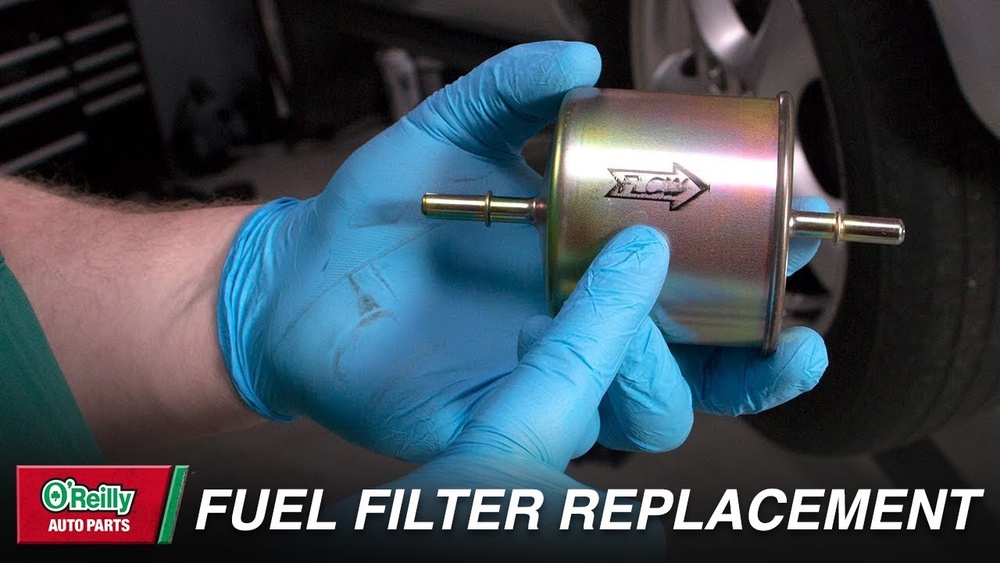
Have you noticed your car acting up lately? Maybe it’s struggling to start, or you feel a drop in power when you press the gas.
These could be signs that your fuel filter is bad. But how can you be sure? Knowing when your fuel filter needs attention can save you from costly repairs and keep your vehicle running smoothly. You’ll discover the simple ways to spot a failing fuel filter and what to do next.
Keep reading—you’ll be glad you did.
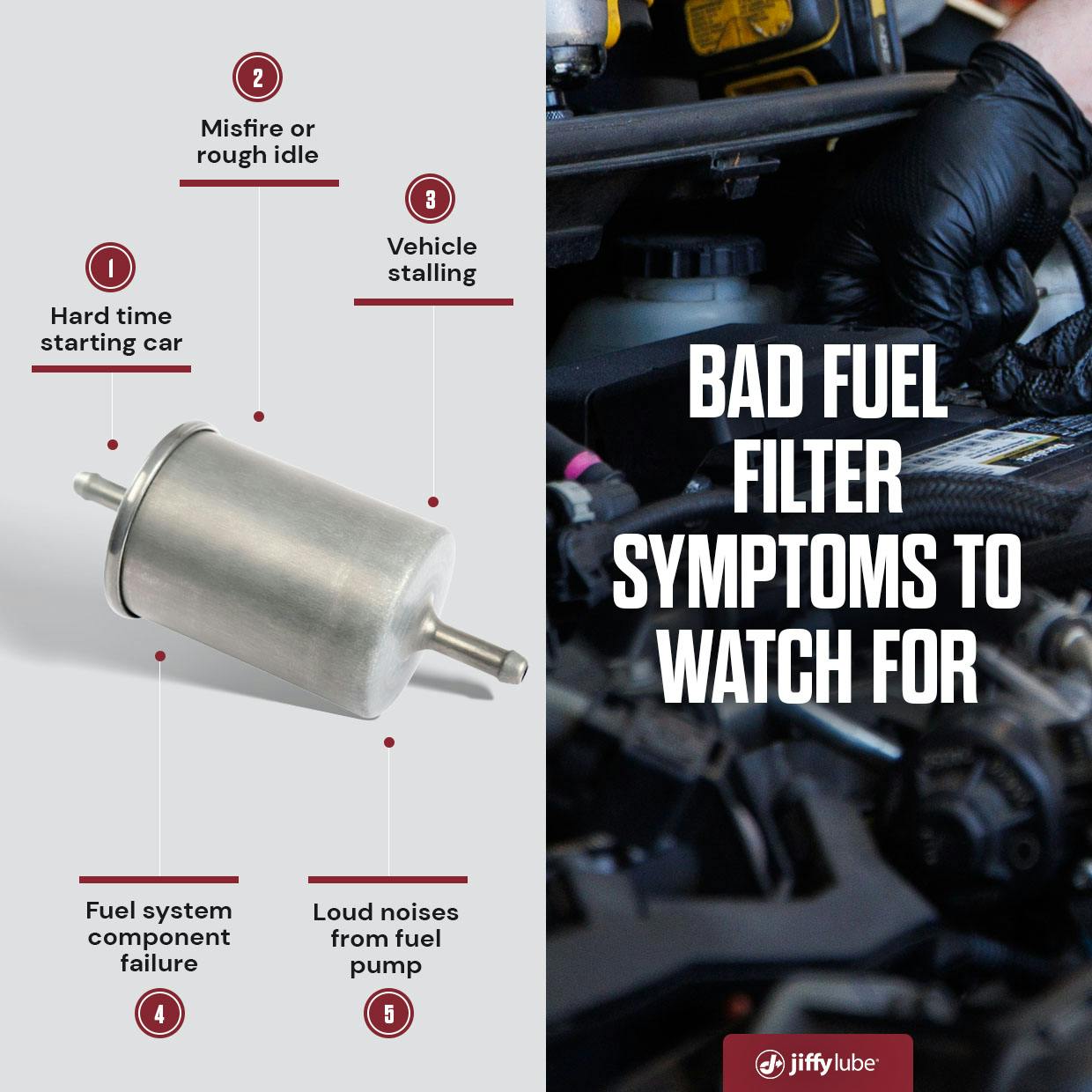
Credit: www.jiffylube.com
Common Fuel Filter Problems
Fuel filters play a key role in keeping your car’s engine clean. They stop dirt and particles from entering the fuel system. Over time, fuel filters can face problems that affect engine performance. Knowing these problems helps you spot issues early and avoid costly repairs.
Clogging And Blockages
Fuel filters catch dirt and debris from fuel. This dirt can build up and clog the filter. A clogged filter reduces fuel flow to the engine. The engine may sputter or lose power. Clogging also makes starting the car harder. Regular filter checks can prevent blockages.
Contamination Issues
Water and rust often contaminate fuel. These contaminants harm the filter’s material. Contaminated filters fail to clean fuel properly. This leads to dirty fuel reaching the engine. The engine runs rough or stalls. Using clean fuel helps reduce contamination.
Wear And Tear
Fuel filters wear out from constant use. The filter material breaks down over time. Old filters cannot filter fuel well. Wear causes leaks or cracks in the filter. This lets dirt enter the fuel system. Replacing filters on time avoids damage.
Symptoms Of A Bad Fuel Filter
Recognizing the symptoms of a bad fuel filter helps keep your vehicle running smoothly. A clogged or dirty fuel filter stops fuel from reaching the engine properly. This causes many problems that affect driving safety and performance. Watch for signs that show your fuel filter needs attention.
Engine Misfires Or Hesitation
The engine may misfire or hesitate during acceleration. This happens because fuel flow is restricted. The engine does not get enough fuel to run smoothly. You might feel a jerking or sputtering sensation.
Reduced Engine Power
Your vehicle might lose power, especially going uphill or towing. A bad fuel filter limits the fuel supply. The engine struggles to deliver full power. You will notice slower acceleration and weak performance.
Difficulty Starting The Vehicle
Starting the engine may take longer than usual. A clogged fuel filter slows fuel delivery to the engine. Sometimes, the engine will crank but not start. This is a common sign of fuel flow problems.
Frequent Stalling
The engine may stall frequently while idling or driving. Fuel interruptions cause the engine to stop suddenly. This can be dangerous in traffic or on the road. Stalling is a clear warning of fuel filter issues.
Unusual Engine Noises
You might hear strange noises from the engine. These sounds come from fuel starvation. The engine parts strain to run with less fuel. Listen for knocking, sputtering, or uneven running sounds.
Fuel Economy And Performance Impact
The fuel filter plays a key role in keeping your engine clean. It stops dirt and debris from entering the fuel system. A bad fuel filter can affect your car’s fuel economy and performance. You may notice your car uses more gas than usual or feels less powerful. These signs show that fuel flow is not smooth. Understanding these impacts helps you know when to check the fuel filter.
Drop In Miles Per Gallon
A clogged fuel filter reduces fuel flow to the engine. The engine works harder and burns more fuel. This leads to a drop in miles per gallon (MPG). You fill the tank but drive fewer miles than before. Tracking your MPG can alert you to fuel filter issues early.
Poor Acceleration
Your car may feel slow when you press the gas pedal. Poor acceleration happens because the engine gets less fuel. The clogged filter restricts fuel flow, making the engine weak. This lag or hesitation shows the fuel filter might be dirty or blocked.
Engine Surging
Engine surging means the engine speed rises and falls suddenly. It happens when fuel supply is uneven. A bad fuel filter causes this by letting fuel flow stop and start. The car feels like it’s jerking or pulsing while driving. This is a clear sign of fuel system trouble.

Credit: www.autonationmobileservice.com
Visual Signs To Inspect
Visual signs can help you find out if your fuel filter is bad. These signs are often easy to spot during a quick check. They tell you if the filter needs cleaning or replacement. Paying attention to these clues keeps your engine running smoothly.
Dirty Or Discolored Fuel Filter
A fuel filter that looks dirty or dark is a bad sign. Over time, dirt and debris build up inside the filter. This buildup blocks fuel flow and lowers engine performance. Check the filter’s color and surface for grime or rust. A clean filter usually looks clear or slightly yellow.
Fuel Leaks Around Filter
Fuel leaks near the filter show a problem. Leaks happen if the filter is cracked or loose. Look for wet spots or the smell of gasoline around the filter area. Fuel leaks are dangerous and waste fuel. Fix leaks quickly to avoid engine damage or fire risk.
Check Engine Light Indicators
The check engine light may turn on if the fuel filter is bad. This light signals issues in your car’s system. A clogged filter can cause poor fuel flow and engine trouble. Use a scanner to read error codes or visit a mechanic. Don’t ignore the check engine light; it helps catch problems early.
Testing And Diagnosis Methods
Testing and diagnosis methods help find out if a fuel filter is bad. These methods check how well the fuel flows through the filter. They also show if any blockage or damage affects your engine’s performance.
Using the right tools and techniques gives a clear idea about the filter’s condition. This helps avoid engine problems and keeps your vehicle running smoothly.
Fuel Pressure Testing
Fuel pressure testing measures the pressure in the fuel system. A low pressure reading can mean the fuel filter is clogged. Mechanics use a fuel pressure gauge to check this. The gauge attaches to the fuel rail or fuel line. Then, the engine is started to see the pressure level. If pressure is below the recommended range, the filter may need replacement.
Using Diagnostic Tools
Modern cars have onboard diagnostic systems. These systems detect fuel system problems. A scan tool can read error codes from the car’s computer. Codes related to fuel delivery might indicate a bad fuel filter. The scan tool also shows live data, like fuel trim levels. This data helps confirm if the fuel filter causes the issue.
Professional Inspection
A professional mechanic can inspect the fuel filter directly. They check for signs of dirt, rust, or damage. The mechanic may remove the filter to look inside. They also examine fuel lines for leaks or cracks. Professional inspections are reliable for accurate diagnosis. They ensure the right repair or replacement is done.
Fuel Filter Maintenance Tips
Proper fuel filter maintenance keeps your vehicle running smoothly. A clean fuel filter protects the engine from dirt and debris. It also helps maintain fuel efficiency and performance. Regular care prevents costly repairs and breakdowns.
Replacement Intervals
Check your vehicle manual for fuel filter replacement times. Most filters need changing every 20,000 to 40,000 miles. Severe driving conditions may require earlier replacement. Follow a schedule to avoid clogging and poor engine performance.
Choosing The Right Filter
Select a fuel filter that matches your vehicle’s make and model. Using the correct filter ensures proper fuel flow. Look for filters with good reviews and quality materials. Cheap or wrong filters can cause damage or clog faster.
Diy Vs Professional Replacement
Replacing a fuel filter yourself can save money. Basic tools and instructions are usually enough. Work carefully to avoid fuel leaks and injuries. Professionals offer experience and proper disposal of old filters. Choose the option that fits your skill and comfort level.

Credit: oilchangers.com
Frequently Asked Questions
What Are Common Signs Of A Bad Fuel Filter?
A bad fuel filter causes engine misfires, stalling, and poor acceleration. You may notice difficulty starting the car or reduced fuel efficiency. Check for unusual engine noises and rough idling, which also indicate clogged filters needing replacement.
How Often Should I Replace My Fuel Filter?
Typically, replace the fuel filter every 20,000 to 40,000 miles. Check your vehicle’s manual for specific intervals. Regular replacement prevents clogging and maintains smooth engine performance. Delaying changes may cause fuel flow issues and engine damage.
Can A Bad Fuel Filter Cause Engine Problems?
Yes, a clogged fuel filter restricts fuel flow, causing engine hesitation and poor performance. It can lead to stalling or difficulty starting. Replacing the filter restores proper fuel delivery and prevents potential engine damage.
Is Fuel Filter Replacement Diy-friendly?
Replacing a fuel filter can be a DIY task with basic tools and safety precautions. However, some vehicles have filters in hard-to-reach places. Consult your vehicle manual and consider professional help if unsure.
Conclusion
A bad fuel filter can cause many car problems. Watch for slow engine start and poor performance. Strange noises or engine stalling also hint at trouble. Regular checks help catch issues early. Changing the filter keeps fuel clean and engine healthy.
Don’t wait for serious damage to happen. Keep your car running smooth and safe. Simple care saves time and money in the long run. Stay alert to these signs and act fast. Your car will thank you for it.