

Have you ever wondered just how hot your bicycle brake rotors can get when you’re riding hard downhill or braking suddenly? Knowing this can help you protect your bike and keep your rides safe.
When your rotors heat up too much, it can affect how well your brakes work and even damage your bike parts. You’ll discover the surprising temperatures your rotors can reach, why it matters for your safety, and what you can do to keep things cool.
Keep reading to learn how to get the most out of your brakes without risking trouble on the road or trail.
Credit: www.przewozcm.eu
Heat Generation In Brake Rotors
Bicycle brake rotors get hot during use. This heat comes from the braking process. When you press the brake lever, the brake pads press against the rotor. This action creates friction. Friction turns the bike’s motion energy into heat. The rotor absorbs this heat, causing its temperature to rise.
Heat affects braking performance and rotor life. Understanding how heat builds up helps riders use brakes safely and effectively. Let’s explore how friction creates heat and what factors change heat levels in rotors.
Friction And Heat Production
Friction happens when brake pads rub against the rotor. The pads grip the spinning rotor, slowing the bike down. This rubbing force creates heat energy. The harder and longer you brake, the more heat is made. Heat spreads through the rotor, raising its temperature quickly. This heat must be managed to avoid brake fade or damage.
Factors Influencing Heat Levels
Many factors affect how hot brake rotors get. The rider’s weight and speed increase braking force. Steeper hills mean more braking and more heat. Rotor size also matters; bigger rotors spread heat better. The brake pad material changes how much heat is created. Airflow cools the rotor, so riding fast or in open areas helps. Wet conditions can affect heat but usually lower temperatures.

Credit: bicycles.stackexchange.com
Typical Temperature Ranges
Bicycle brake rotors heat up during rides. The temperature depends on how hard and how long you brake. Knowing typical temperature ranges helps riders avoid brake fade and damage. It also keeps your bike safe and working well.
Normal Riding Conditions
Under normal riding, rotors stay cool. They usually reach between 100°F and 200°F (38°C to 93°C). This range is safe for most brake parts. Short stops and gentle braking create little heat. The air also cools the rotors quickly.
Intense Braking Scenarios
During steep descents or sudden stops, rotors get hotter. Temperatures can rise to 500°F (260°C) or more. This heat can cause brake fade, reducing stopping power. Prolonged braking on long hills increases rotor temperature. High heat may wear out brake pads faster.
Maximum Heat Limits Of Rotors
Bicycle brake rotors can get very hot during long or steep descents. Knowing their maximum heat limits helps you understand their performance and safety. Excess heat can cause brake fade, warping, or damage to the rotor. It is important to choose rotors that can handle the heat your riding style generates.
Material Heat Tolerance
Most bicycle rotors are made from stainless steel. Stainless steel handles heat well but has limits. Typical rotors can withstand temperatures between 400°C and 600°C (752°F to 1112°F). Some high-end rotors use special alloys or coatings to improve heat resistance. These materials reduce warping and maintain braking power under extreme heat.
Manufacturer Specifications
Manufacturers provide maximum heat ratings for each rotor model. These ratings guide safe use and help avoid damage. Always check the rotor’s specifications before buying. Many brands list heat tolerance in product manuals or websites. Following these limits ensures better brake life and rider safety.
Effects Of Excessive Heat
Excessive heat can seriously affect bicycle brake rotors. High temperatures change how rotors work and their safety. Understanding these effects helps riders keep brakes reliable and safe.
Heat builds up fast during long or steep rides. This heat causes problems that reduce brake performance and can damage parts. Knowing these issues helps avoid costly repairs.
Rotor Warping And Damage
Rotors can warp when exposed to too much heat. Warping means the rotor bends or twists out of shape. This causes uneven braking and vibration in the brake lever.
Heat also can cause cracks or permanent damage. Damaged rotors need replacement to keep brakes working safely. Warped rotors reduce control and increase stopping distance.
Brake Fade And Performance Loss
Brake fade happens when rotors get too hot. The brake pads lose grip on the rotor surface. This reduces the braking power and makes it harder to stop.
Performance loss can feel dangerous during long descents. The brakes may feel soft or unresponsive. Cooling the rotors and using proper braking techniques prevents fade.
Heat Management Techniques
Bicycle brake rotors can get very hot during rides. Managing this heat is important. Heat can cause brake fade and damage parts. Good heat management keeps brakes working well and safe.
Rotor Design Innovations
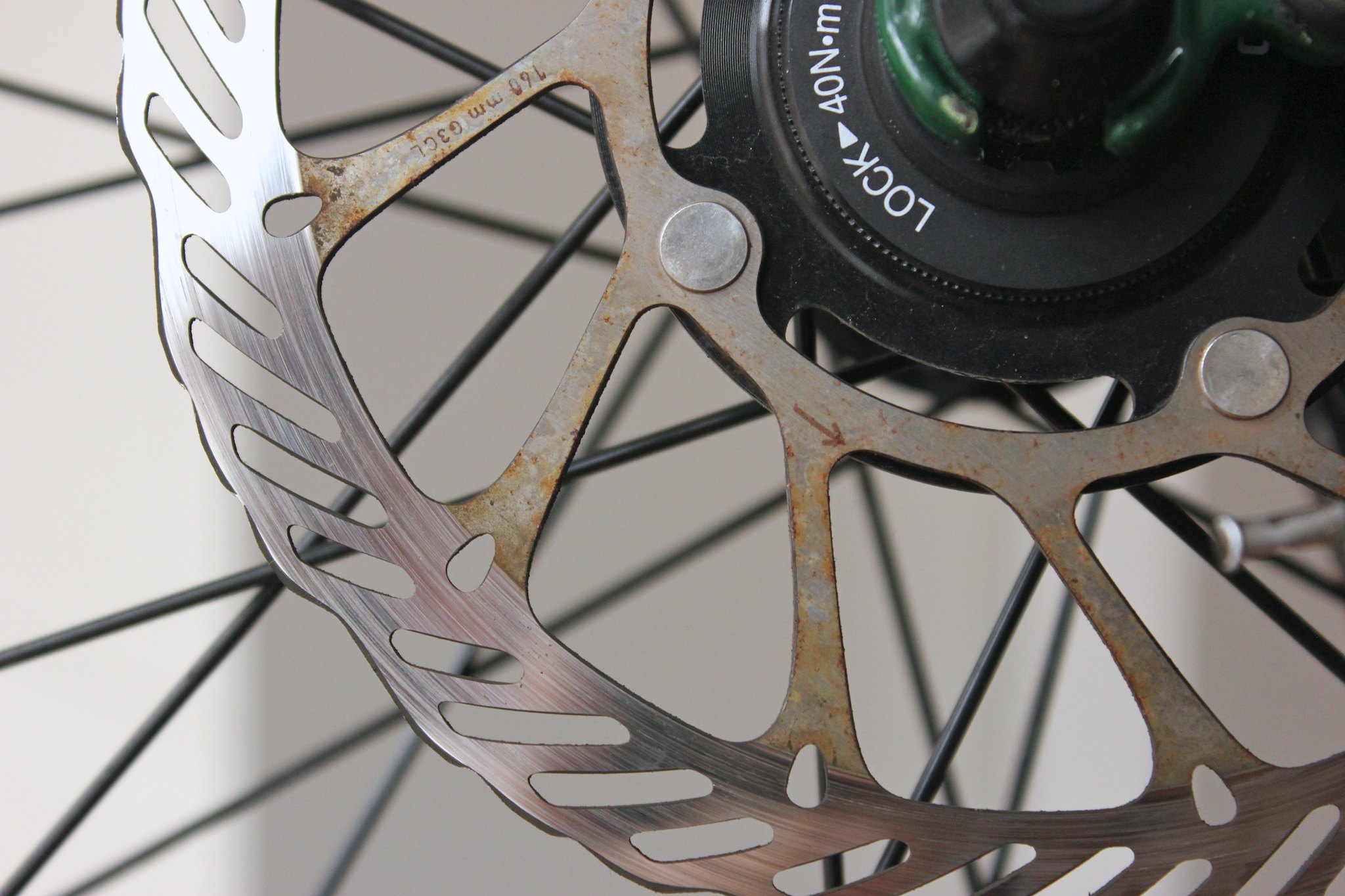
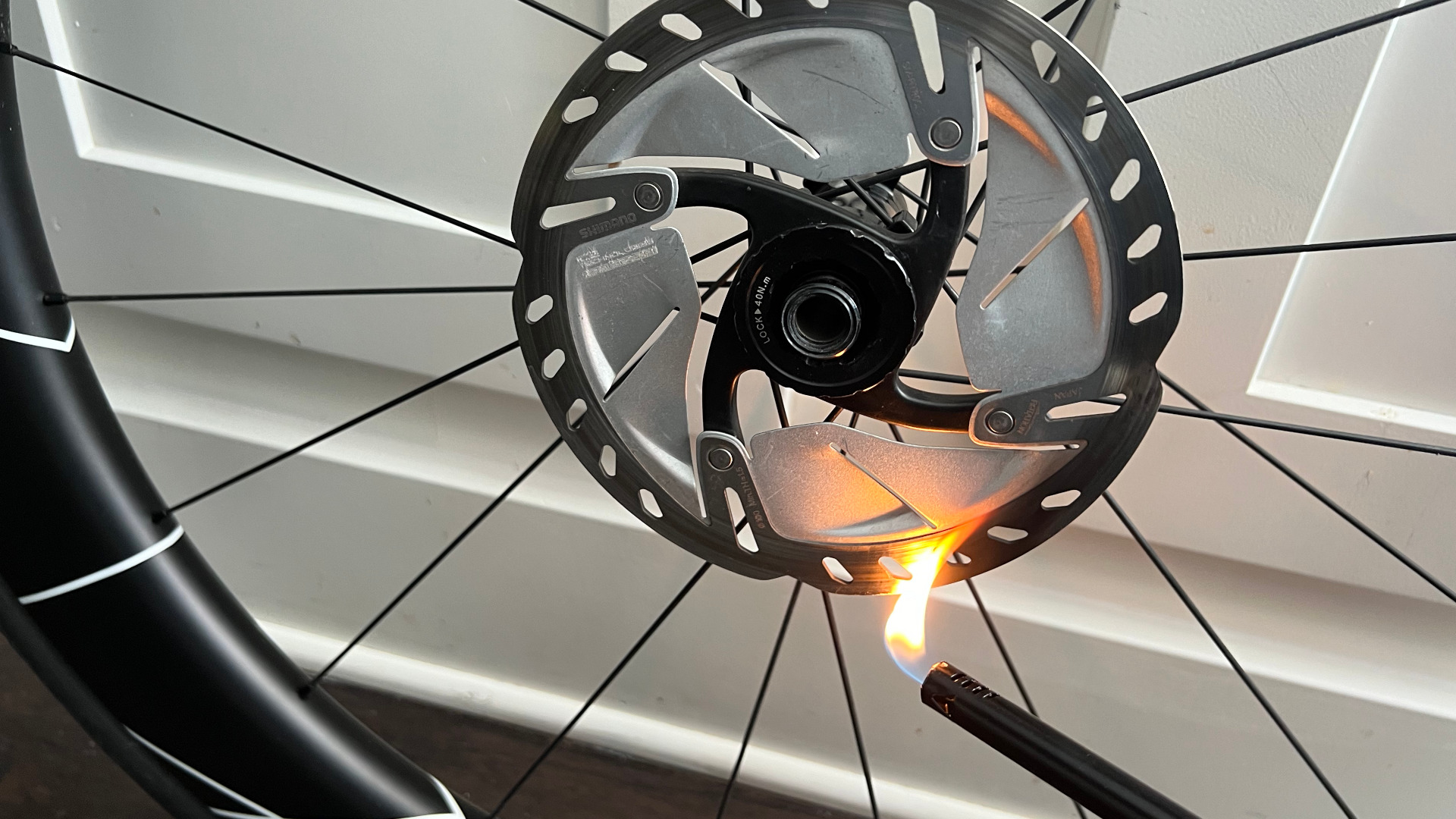
Rotor designs help control heat build-up. Many rotors have holes or slots. These features let air flow through. Air cools the rotor faster. Some rotors use special materials. These materials handle heat better. They do not wear out quickly. Thinner rotors also cool faster. Designs focus on strength and heat control.
Cooling Methods And Practices
Riders can use methods to cool rotors. Avoid long, constant braking. Brake in short bursts instead. This gives rotors time to cool. Riding at higher speeds helps air flow. More air cools the rotors faster. Some riders use water sprays after hard braking. This lowers rotor temperature quickly. Cleaning rotors also helps heat management. Dirt and oil can cause overheating.
Credit: bprsum.co.id
Safety Tips For Heat Control
Controlling the heat generated by bicycle brake rotors is crucial for safe riding. Overheated rotors can reduce braking power and damage components. Following safety tips helps keep the rotors cool and improves rider confidence. Simple actions protect your bike and enhance performance.
Proper Braking Techniques
Use smooth and steady pressure on the brake levers. Avoid sudden or hard stops that cause rotors to heat quickly. Apply brakes in short bursts to give rotors time to cool down. Shift your weight back to balance the bike during braking. Riding at a controlled speed reduces the need for heavy braking.
Maintenance And Inspection
Regularly check rotors for signs of wear or damage. Clean rotors with a mild detergent to remove dirt and oil. Inspect brake pads and replace them before they wear out completely. Tighten rotor bolts to the recommended torque to prevent loosening. Proper maintenance ensures brakes work well and stay cool longer.
Frequently Asked Questions
How Hot Can Bicycle Brake Rotors Get During Use?
Bicycle brake rotors can reach temperatures between 200°F to 400°F (93°C to 204°C) during heavy braking. The exact heat depends on the intensity and duration of braking, rider weight, and environmental conditions.
What Causes Bicycle Brake Rotors To Overheat?
Overheating happens due to prolonged braking, steep descents, or heavy loads. Excess friction generates high heat, which can reduce braking efficiency and damage rotor material.
Can Hot Brake Rotors Damage My Bicycle?
Yes, extreme heat can warp rotors, degrade brake pads, and reduce braking performance. Consistent overheating may lead to costly repairs and unsafe riding conditions.
How Can I Prevent Bicycle Brake Rotors From Overheating?
To prevent overheating, use intermittent braking, avoid long continuous stops, and choose rotors with better heat dissipation. Proper maintenance and cooling periods also help keep rotors cool.
Conclusion
Bicycle brake rotors can get very hot during use. High temperatures affect braking power and rotor life. It’s important to let rotors cool down after hard braking. Riding smoothly helps keep heat under control. Checking your brakes often keeps them working well.
Knowing how hot rotors get helps you ride safer. Keep your bike in good shape for better performance. Safe rides depend on well-maintained brakes and cool rotors. Stay aware and enjoy your cycling experience.

