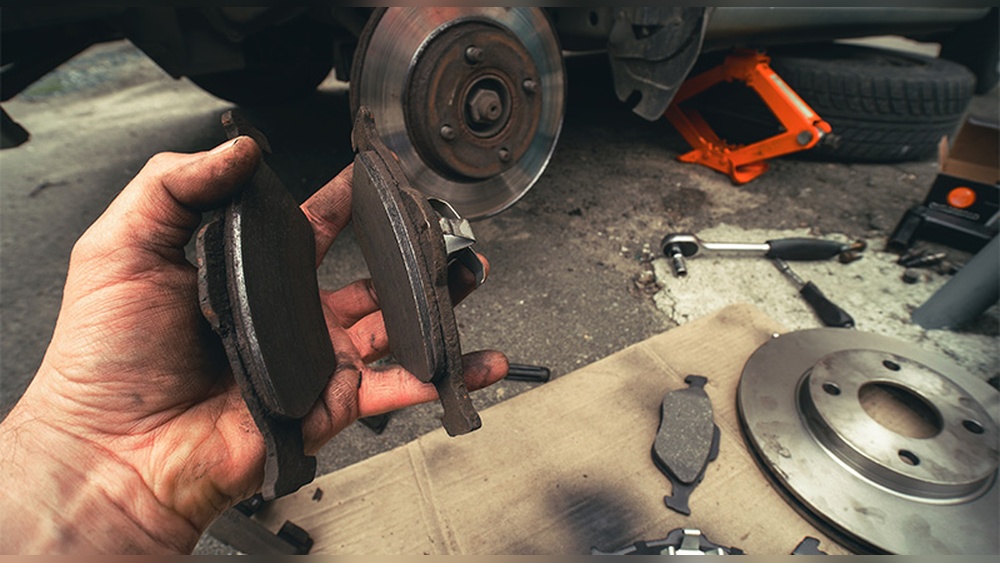
Have you ever wondered just how hot your disc brake rotors get when you’re driving your classic 67-72 Chevy truck? Understanding the temperature your rotors reach is key to keeping your brakes working smoothly and safely.
If your rotors get too hot, it can lead to brake fade or even damage, putting your truck and your safety at risk. You’ll discover the typical temperature ranges for disc brake rotors, what affects those temperatures, and how you can protect your brakes from overheating.
Keep reading to learn what every Chevy truck owner needs to know to keep their brakes cool and their ride safe.
Heat Generation In Disc Brakes
Disc brake rotors get very hot during use. This heat comes from the friction between the brake pads and the rotor surface. Understanding how much heat is generated helps in knowing why rotors can get damaged or warp. It also shows why good braking parts and proper driving matter a lot.
Friction And Temperature Rise
Friction happens when the brake pads press against the rotor. This stops the wheel from spinning. The energy from the moving wheel changes into heat. This heat makes the rotor’s temperature rise quickly. The hotter the rotor gets, the harder it works to cool down.
Factors Influencing Rotor Heat
Several things affect how hot rotors get. The weight of the vehicle plays a big role. Heavier trucks need more force to stop, which creates more heat. Driving style matters too. Hard braking or riding brakes produce extra heat. The material and size of the rotor also change how much heat it holds.
Typical Temperature Ranges
Normal rotor temperatures can reach 300 to 500 degrees Fahrenheit during regular driving. In heavy braking, temperatures may go above 1000 degrees. Racing or towing loads can push rotors even hotter. At very high heat, rotors might warp or lose braking power. That’s why keeping rotors cool is important.
Temperature Limits For 67-72 Chevy Truck Rotors
Temperature limits for disc brake rotors on 67-72 Chevy trucks are vital to maintain safe braking. Rotors get hot from friction when brakes apply. Excess heat can cause damage and reduce performance. Knowing these limits helps keep your truck running safely.
Material Specifications
Most rotors for 67-72 Chevy trucks use cast iron. This metal handles heat well but has limits. Cast iron rotors can safely reach around 400 to 600 degrees Fahrenheit. Some high-performance rotors may handle more heat. Steel or composite materials differ in heat tolerance. Knowing your rotor’s material helps understand its heat limit.
Manufacturer Recommendations
Chevy and rotor makers provide clear guidelines. They state maximum safe temperatures for rotors. Staying under these limits prevents warping or cracking. Follow the recommended brake pad types and rotor sizes. Proper installation also helps maintain temperature limits. Always check your specific rotor’s manual for details.
Impact Of Overheating
Overheated rotors warp or crack easily. Warped rotors cause brake vibration and noise. Cracks reduce braking power and can cause failure. Heat also wears brake pads faster. High temperature reduces brake fluid effectiveness. Overheating shortens the life of brake components. Keeping rotors cool ensures reliable and safe braking.
Effects Of High Rotor Temperatures
Disc brake rotors can reach very high temperatures during use. These high temperatures affect the brakes and the vehicle’s safety. Knowing the effects helps you understand why proper brake care is important. Overheated rotors can lead to several problems that reduce brake efficiency and increase risks on the road.
Brake Fade And Performance Loss
Brake fade happens when rotors get too hot. The brake pads lose their grip on the rotor surface. This causes a drop in stopping power. You may feel the brakes are weak or slow to respond. Long downhill drives or heavy braking can cause fade. It makes driving less safe and can lead to accidents.
Warping And Rotor Damage
High heat can cause rotors to warp. Warped rotors have uneven surfaces. This leads to vibrations in the brake pedal or steering wheel. Warping damages the rotor’s shape and smoothness. Over time, this damage worsens and may require rotor replacement. Avoiding excessive heat extends rotor life.
Safety Concerns
Hot rotors affect your vehicle’s safety. Reduced brake performance increases stopping distance. It can cause loss of control during sudden stops. Warped rotors create unstable braking conditions. These issues raise the risk of collisions. Proper brake maintenance keeps rotors cooler and safer.
Credit: 67-72chevytrucks.com
Measuring Rotor Temperatures
Measuring rotor temperatures helps keep your brakes working safely. Hot rotors can cause brake fade and damage. Knowing the heat level lets you take action early. This section covers how to measure and understand rotor temperatures.
Tools And Techniques
Use an infrared thermometer for quick temperature checks. Point it at the rotor surface after driving or braking hard. Another tool is a thermocouple sensor, which gives more accurate readings. Attach it directly to the rotor for real-time data. Avoid touching the hot rotor with your hands.
Interpreting Temperature Readings
Normal rotor temperatures range from 200°F to 400°F during regular use. Temperatures above 600°F can cause brake problems. High heat may lead to warping or reduced stopping power. Compare readings after different drives to spot unusual heat levels. Keep notes to track trends and changes over time.
When To Monitor Rotor Heat
Check rotor temperatures after long downhill drives or heavy braking. Racing or towing puts extra stress on brakes, raising heat quickly. Monitor temps during brake testing or after changing brake parts. Early monitoring prevents costly repairs and keeps your truck safe.
Cooling Techniques For Disc Rotors
Disc brake rotors get very hot during use. Heat affects braking performance and rotor life. Cooling techniques help keep rotors at safer temperatures. This improves brake efficiency and prevents damage. Here are key ways to cool down disc rotors effectively.
Ventilation Design
Many rotors have vents or slots. These help air flow through the rotor. Air movement carries heat away from the surface. Vented rotors cool faster than solid rotors. Some designs also use drilled holes to improve airflow. Proper ventilation reduces the chance of warping from heat.
Driving Habits To Reduce Heat
Hard, repeated braking raises rotor temperatures quickly. Smooth, gentle braking helps keep heat low. Avoid riding the brakes on long downhill drives. Use engine braking by shifting to lower gears. Give brakes time to cool after heavy use. These habits protect rotors from extreme heat damage.
Aftermarket Cooling Options
Special cooling kits can improve rotor airflow. Some kits add cooling ducts to direct air to rotors. Others use fans or fins to increase heat dissipation. High-performance brake pads also help reduce heat buildup. Upgrading parts can extend rotor life and improve braking.
Credit: 67-72chevytrucks.com
Maintenance Tips To Manage Rotor Heat
Managing heat in disc brake rotors is crucial for safe driving and long-lasting parts. High temperatures can cause brake fade, warping, and faster wear. Simple maintenance steps help control rotor heat and keep brakes working well.
Regular Inspections
Check rotors often for cracks, grooves, or warping. Heat damage shows as blue or purple spots on the rotor surface. Inspect brake pads too. Worn pads increase heat and damage rotors faster. Early detection stops bigger problems.
Brake Pad Selection
Choose brake pads designed to handle high temperatures. Ceramic or semi-metallic pads resist heat better than organic ones. Proper pads reduce rotor wear and improve braking power. Match pads to your truck’s use and driving style.
Rotor Replacement Guidelines
Replace rotors when thickness is below manufacturer limits or damage appears. Thin or warped rotors overheat easily. Use quality rotors made for your truck model. Timely replacement keeps braking safe and prevents further damage.

Credit: www.ebay.com
Frequently Asked Questions
How Hot Do Disc Brake Rotors Get During Heavy Braking?
Disc brake rotors can reach temperatures between 300°F to 600°F during heavy braking. This heat is due to friction converting kinetic energy into thermal energy. Excessive heat can cause brake fade and rotor warping, reducing braking efficiency and safety.
What Factors Affect Disc Brake Rotor Temperatures?
Rotor temperatures depend on braking intensity, vehicle weight, speed, and rotor material. Frequent or prolonged braking generates more heat. High-performance rotors dissipate heat better, maintaining cooler temperatures and improving brake performance.
Can Disc Brake Rotors Overheat And Fail?
Yes, overheating can cause rotors to warp, crack, or develop hot spots. This reduces braking power and increases stopping distances. Proper maintenance and cooling are essential to prevent rotor failure during intense driving conditions.
How Can I Reduce Disc Brake Rotor Heat Buildup?
Using high-quality brake pads, ensuring proper rotor ventilation, and avoiding excessive braking help reduce heat. Upgrading to slotted or drilled rotors improves heat dissipation. Regular maintenance also ensures optimal brake system performance.
Conclusion
Disc brake rotors can get very hot during use. Temperatures often reach between 300 and 600 degrees Fahrenheit. This heat affects braking performance and rotor life. Proper care helps keep rotors cool and working well. Avoid riding the brakes for long periods.
Let your brakes rest after heavy use. Knowing how hot rotors get helps you drive safer. Keep your 67-72 Chevy truck’s brakes in good shape. Safe driving starts with well-maintained brake parts. Simple steps make a big difference.