

Have you ever felt a strange vibration or shaking when you press your brake pedal? That unsettling wobble might be a sign that your brake rotors are warped.
Knowing if your rotors are damaged is crucial—not just for smooth driving but for your safety on the road. You’ll discover clear, simple ways to identify if your brake rotors are warped before a small issue turns into an expensive repair.
Keep reading, and learn how to protect your car and yourself with easy-to-spot signs you shouldn’t ignore.
Symptoms Of Warped Rotors
Warped brake rotors cause several clear signs. These symptoms show that the rotors need attention. Knowing these signs helps keep your car safe and working well.
Notice the changes in how your brakes feel and sound. These clues point to rotor problems. Acting quickly can prevent more damage and costly repairs.
Vibrations During Braking
Feel shaking or vibrations in the steering wheel or brake pedal. This usually happens when you press the brake. Warped rotors cause uneven contact with brake pads. The vibrations grow stronger as the car slows down.
Squealing Or Grinding Noises
Hear unusual sounds when braking? Squealing or grinding noises can mean rotor issues. Warped rotors create uneven surfaces. Brake pads rub roughly against these surfaces, causing noise. These sounds often get worse over time.
Pulsating Brake Pedal
Notice a pulsing or throbbing feeling in the brake pedal? This is a common sign of warped rotors. The uneven rotor surface causes the pedal to move up and down. The pulsing happens especially during hard braking.
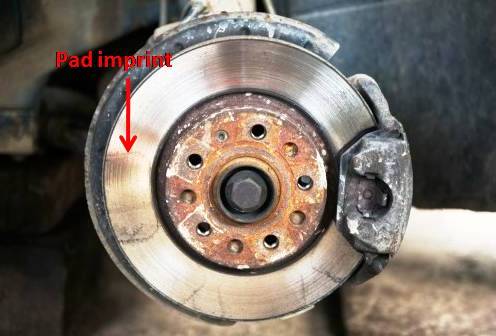
Uneven Brake Pad Wear
Check your brake pads regularly for uneven wear patterns. Warped rotors cause pads to wear faster on one side. This reduces braking efficiency and increases repair costs. Uneven wear means the rotors are not smooth or flat.
Credit: trade.mechanic.com.au
Causes Of Rotor Warping
Brake rotors can warp for several reasons. Understanding these causes helps in spotting problems early. Warped rotors lead to vibration and poor braking. Knowing what damages them can save you money and improve safety.
Excessive Heat Build-up
Heat is the main enemy of brake rotors. Strong braking for a long time raises rotor temperature. This causes the metal to expand unevenly. When the rotors cool down, they can warp. Driving down steep hills or frequent hard stops cause this heat build-up.
Improper Installation
Incorrect rotor installation can cause warping too. If rotors are not mounted tightly, they move during braking. Loose rotors can warp from uneven pressure. Using wrong tools or skipping steps also damages rotors.
Worn Brake Pads
Old or damaged brake pads wear unevenly. This uneven contact with rotors causes hot spots. Hot spots create stress and lead to warping. Replacing brake pads on time prevents rotor damage.
Sudden Temperature Changes
Rotors can warp from rapid cooling after heavy braking. Splashing cold water on hot rotors causes metal to contract fast. This sudden change leads to cracks or warping. Avoid driving through deep water right after braking hard.
Visual Inspection Tips
Visual inspection helps detect warped brake rotors early. It saves time and money by spotting problems before they worsen. This process needs only basic tools and some careful observation. Follow these simple tips to check your rotors at home.
Checking For Surface Irregularities
Look closely at the rotor’s surface. It should be smooth and even. Any bumps, ridges, or uneven spots show wear or warping. Run your fingers gently over the rotor to feel for rough areas. Shine a light across the rotor to see shadows that reveal surface flaws.
Measuring Rotor Thickness
Use a micrometer to measure rotor thickness. Rotors wear thinner over time and can warp more easily. Check the thickness at several points around the rotor. Compare these measurements to the minimum thickness recommended by the manufacturer. Replace rotors that are too thin to ensure safe braking.
Signs Of Cracks Or Grooves
Inspect the rotor for small cracks or deep grooves. Cracks often appear near the edges or around the holes. Grooves show as long, narrow cuts on the surface. These defects reduce braking performance and can cause vibrations. Rotors with cracks or grooves need immediate attention or replacement.

Credit: www.youtube.com
When To Seek Professional Help
Knowing when to seek professional help for warped brake rotors is key for your safety. Some signs mean you should visit a mechanic right away. Others may be less urgent but still need attention soon.
Understanding these signals helps avoid bigger problems. It also keeps your car running smoothly and safely.
Severity Of Symptoms
Strong vibrations or shaking in the brake pedal shows serious rotor warping. Loud noises while braking also indicate damage. Mild pulsations or slight noise might mean small warps. Severe symptoms need immediate inspection. Mild symptoms still require a check within days.
Safety Considerations
Warped rotors reduce braking power and increase stopping distance. This risk grows on wet or slippery roads. Driving with bad rotors can cause accidents. Always prioritize safety and avoid driving too long with worn brakes. A professional can assess risk and fix issues properly.
Cost Of Repairs Vs. Replacement
Minor warping might be fixed by resurfacing rotors. Deep warping usually requires full rotor replacement. Repair costs vary but ignoring damage can lead to expensive fixes. A mechanic can provide a cost estimate. Timely repair saves money and prevents further damage.
Preventing Rotor Warping
Warped brake rotors cause shaking, noise, and poor braking. Preventing rotor warping helps keep your car safe and smooth. Simple habits and good care stop damage before it starts.
Proper Brake Usage
Avoid hard stops unless needed. Brake gently and early. This lowers heat and stress on rotors. Don’t ride the brakes on hills. Let your engine help slow the car.
Regular Maintenance
Check brake pads often. Worn pads can harm rotors. Have a mechanic inspect rotors during oil changes. Clean brake parts to stop rust build-up. Replace parts before damage spreads.
Upgrading Brake Components
Use high-quality brake pads made for your car. Some pads create less heat and wear. Consider slotted or drilled rotors for better cooling. Stronger rotors resist warping better on tough drives.

Credit: www.reddit.com
Frequently Asked Questions
What Are The Common Signs Of Warped Brake Rotors?
Warped brake rotors often cause vibration or pulsing in the brake pedal. You may hear unusual noises or experience uneven braking. These signs suggest rotor surface irregularities affecting braking performance and safety.
How Can I Visually Check If My Rotors Are Warped?
Look for grooves, cracks, or discoloration on the rotor surface. Warped rotors may appear uneven or have noticeable wear patterns. A smooth, clean rotor surface usually indicates good condition.
Can Warped Brake Rotors Affect Vehicle Handling?
Yes, warped rotors cause braking instability and vibration. This can reduce control, especially during sudden stops. Maintaining smooth rotors ensures safer and more predictable vehicle handling.
When Should I Replace Warped Brake Rotors?
Replace rotors if vibration persists after brake pad replacement. Also, if rotors are below minimum thickness or have deep damage. Timely replacement prevents further brake system damage.
Conclusion
Warped brake rotors can cause serious driving problems. You might notice vibrations or strange noises when braking. These signs mean it’s time to check your rotors. Regular brake inspections keep your car safe and smooth. Don’t wait until the problem gets worse.
Taking action early can save money and stress. Trust your senses and stay alert while driving. Safe brakes mean safe journeys every day.


