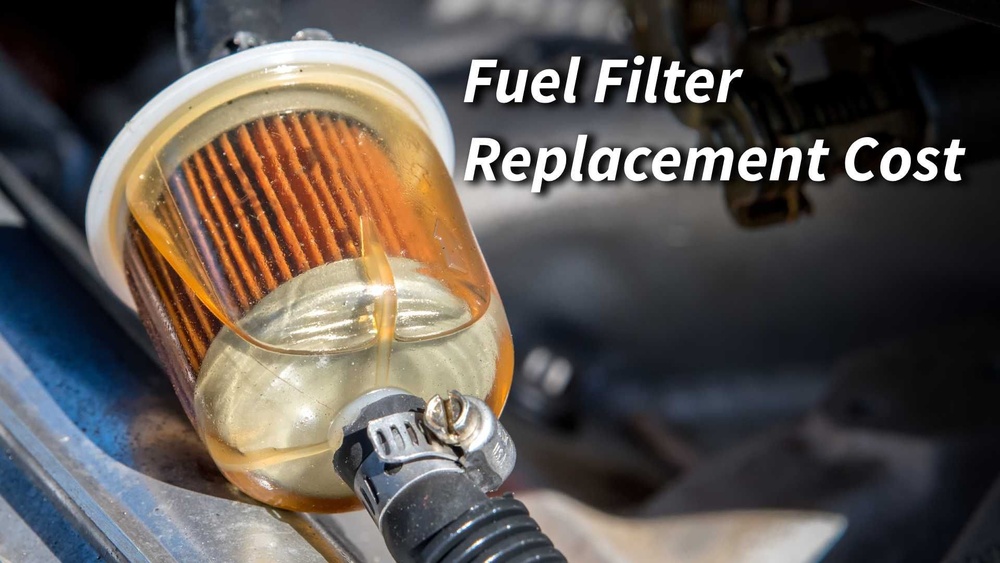
Have you ever wondered why your car sometimes struggles to start or feels less powerful on the road? One simple part could be the reason: your fuel filter.
Changing your fuel filter might seem like a small task, but it plays a huge role in keeping your engine running smoothly. Ignoring it can lead to costly repairs and frustrating breakdowns. Keep reading to find out why this little component is so important for your vehicle’s health—and how taking care of it can save you time, money, and stress.
Role Of A Fuel Filter
The fuel filter plays a key role in your vehicle’s engine health. It cleans the fuel before it reaches the engine. Clean fuel means better engine performance and longer engine life.
Without a fuel filter, dirt and debris can enter the engine. This can cause damage and reduce fuel efficiency. The fuel filter helps keep these particles out.
Fuel Filter Function
The fuel filter removes dirt, rust, and other particles from the fuel. It acts like a barrier between the fuel tank and the engine. This ensures that only clean fuel reaches the engine parts.
By filtering the fuel, it prevents clogging in the fuel injectors and carburetor. This helps the engine run smoothly and reduces wear and tear.
Common Contaminants Caught
Common contaminants include dirt, rust, and dust that enter the fuel tank. Water can also get mixed with the fuel. These impurities can harm the engine and reduce performance.
The fuel filter traps these particles and stops them from reaching the engine. This protects the engine parts from damage and keeps the fuel system clean.
Credit: www.jiffylube.com
Signs Of A Clogged Fuel Filter
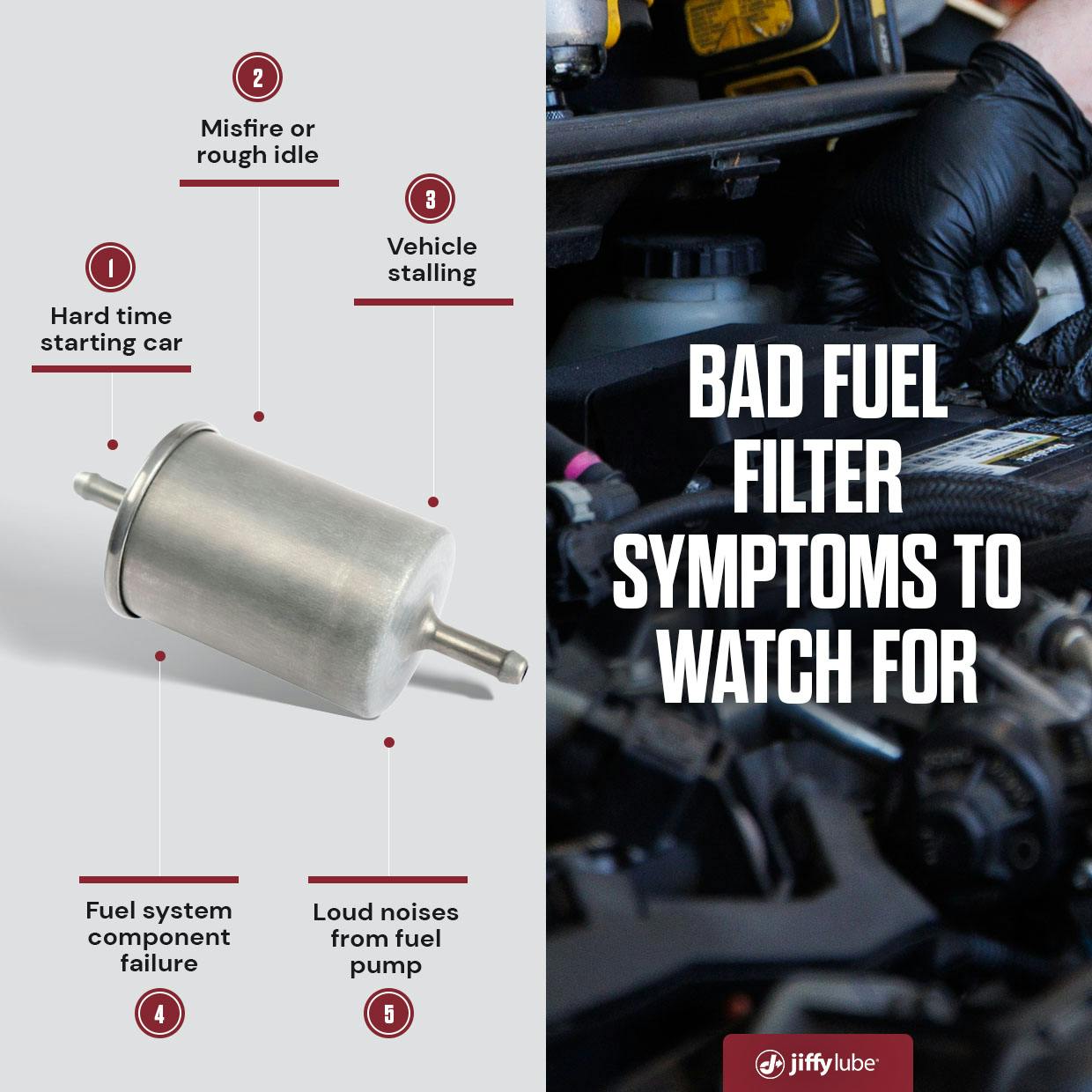
A clogged fuel filter can cause several problems in your vehicle. It stops fuel from flowing smoothly to the engine. Knowing the signs helps you fix the issue early. This saves money and prevents bigger engine troubles.
Engine Performance Issues
A dirty fuel filter reduces fuel flow. The engine may run rough or hesitate. You might notice a loss of power during driving. Acceleration can feel weak or slow. The engine may even stall at times.
Fuel Efficiency Drop
The engine struggles to get enough fuel. It burns more fuel to keep running. This lowers your miles per gallon. You will spend more money on fuel. The drop in efficiency can be quite clear.
Starting Problems
A clogged fuel filter can make starting hard. The engine may crank longer before it starts. Sometimes, it will not start at all. This happens because fuel does not reach the engine quickly. You may hear the starter but no engine response.
Consequences Of Neglecting Replacement
Neglecting to change your fuel filter can cause serious problems for your vehicle. The fuel filter removes dirt and debris from the fuel before it reaches the engine. Over time, this filter gets clogged and stops working well. This can lead to many issues that affect your car’s performance and safety.
Ignoring the fuel filter replacement puts your engine and fuel system at risk. It can also increase the cost of repairs later. Understanding these risks helps you see why regular maintenance is important.
Engine Damage Risks
A dirty fuel filter can block fuel flow to the engine. This causes the engine to run poorly or stall. The engine may misfire or lose power. Contaminants can enter the engine, causing wear and damage. Over time, this leads to costly engine repairs or even engine failure.
Fuel System Wear
Clogged fuel filters make the fuel pump work harder. This extra strain can cause the pump to wear out faster. Fuel injectors can also get clogged with dirt. This reduces fuel efficiency and engine performance. The entire fuel system becomes less reliable and needs more repairs.
Increased Repair Costs
Delaying fuel filter replacement leads to bigger problems. Engine repairs and fuel system fixes cost much more than a filter change. Small issues turn into expensive repairs that take more time. Regular filter changes save money by preventing these costly repairs.
Recommended Replacement Intervals
Knowing the right time to change your fuel filter keeps your car running smoothly. Fuel filters catch dirt and rust, protecting your engine. Changing it too late can cause engine problems. Changing it too early wastes money. Follow the recommended replacement intervals for the best care.
Manufacturer Guidelines
Car makers provide specific advice on fuel filter changes. These guidelines appear in the owner’s manual. They tell you how often to replace the filter. Usually, this ranges from 20,000 to 40,000 miles. Some newer cars have filters that last longer. Stick to these rules for best engine health.
Factors Affecting Frequency
Driving conditions change how often you need to replace the filter. Dusty or dirty roads clog the filter faster. Short trips cause more moisture buildup in the fuel system. Poor quality fuel also clogs the filter quickly. Watch for signs like rough idling or poor acceleration. Replace the filter sooner if needed.
Diy Vs Professional Replacement
Changing your fuel filter is crucial for your vehicle’s health. You can choose to do it yourself or hire a professional. Each method has its own pros and cons. Understanding these can help you decide the best option for you.
Tools Required
For a DIY fuel filter change, you need specific tools. A wrench set, screwdrivers, and a fuel line disconnect tool are common. You also need gloves and safety glasses. Professionals have all these tools ready. They use special equipment to avoid fuel spills and damage.
Safety Precautions
Handling fuel can be dangerous. Always work in a well-ventilated area. Avoid open flames or sparks near the fuel system. Wear gloves and eye protection. Professionals follow strict safety rules. They know how to handle fuel safely and reduce risks.
Cost Comparison
DIY replacement saves money on labor. You only pay for the fuel filter and tools if you don’t have them. Professional service costs more but includes parts and labor. It ensures the job is done right. Think about your skills and time before choosing.

Credit: oilchangers.com
Additional Fuel System Maintenance Tips
Taking care of your fuel system helps your car run smoothly. Besides changing the fuel filter, other steps keep the system healthy. These steps protect the engine and improve fuel efficiency. Follow these simple tips to maintain your fuel system well.
Using Quality Fuel
Choose good fuel for your vehicle. Low-quality fuel can clog the filter and injectors. It may cause poor engine performance or damage. High-quality fuel burns cleaner and protects parts. Always buy fuel from trusted gas stations.
Regular Inspection
Check the fuel system often. Look for leaks, cracks, or worn parts. Early detection prevents bigger problems and costly repairs. Use a flashlight and inspect hoses and connections. Replace damaged parts quickly to avoid fuel loss.
Cleaning Fuel Injectors
Fuel injectors spray fuel into the engine. Dirty injectors reduce engine power and waste fuel. Clean injectors every 30,000 miles or as needed. Use fuel injector cleaner or get professional service. Clean injectors help your car run better and save fuel.

Credit: www.autohero.com.au
Frequently Asked Questions
Why Is Changing Your Fuel Filter Important?
Changing your fuel filter ensures clean fuel reaches the engine. It prevents clogs, improves performance, and avoids costly repairs. Regular replacement boosts fuel efficiency and protects engine components from damage caused by dirt and debris.
How Often Should You Replace Your Fuel Filter?
Fuel filters generally need replacement every 20,000 to 40,000 miles. However, check your vehicle’s manual for specific intervals. Regular checks prevent fuel system issues and maintain optimal engine performance.
What Happens If You Don’t Change The Fuel Filter?
A clogged fuel filter restricts fuel flow, causing poor engine performance. It can lead to stalling, reduced power, and engine damage. Ignoring replacement may result in expensive repairs and decreased fuel efficiency.
Can A Dirty Fuel Filter Cause Engine Problems?
Yes, a dirty fuel filter limits fuel supply, causing misfires and rough idling. It reduces acceleration and may cause the engine to stall. Timely filter changes keep the engine running smoothly and efficiently.
Conclusion
Changing your fuel filter keeps your engine clean and running well. It stops dirt and debris from causing damage. A clean filter improves fuel flow and saves money on repairs. Regular changes help your car last longer and use fuel better.
Don’t wait for problems to start. Small steps like this protect your vehicle every day. Simple maintenance can prevent big issues later. Take care of your fuel filter to keep your car healthy and strong.