
You’ve just given your car a fresh, shiny wax, and now you’re wondering—how long should you wait before painting it? Timing is everything when it comes to car care.
If you rush into painting too soon, the results might not last or look as good as you hoped. But if you wait too long, you could miss the perfect window for a smooth, flawless finish. You’ll discover the ideal wait time after waxing before you paint your car, along with simple tips to get the best outcome.
Keep reading to make sure your car looks its absolute best!
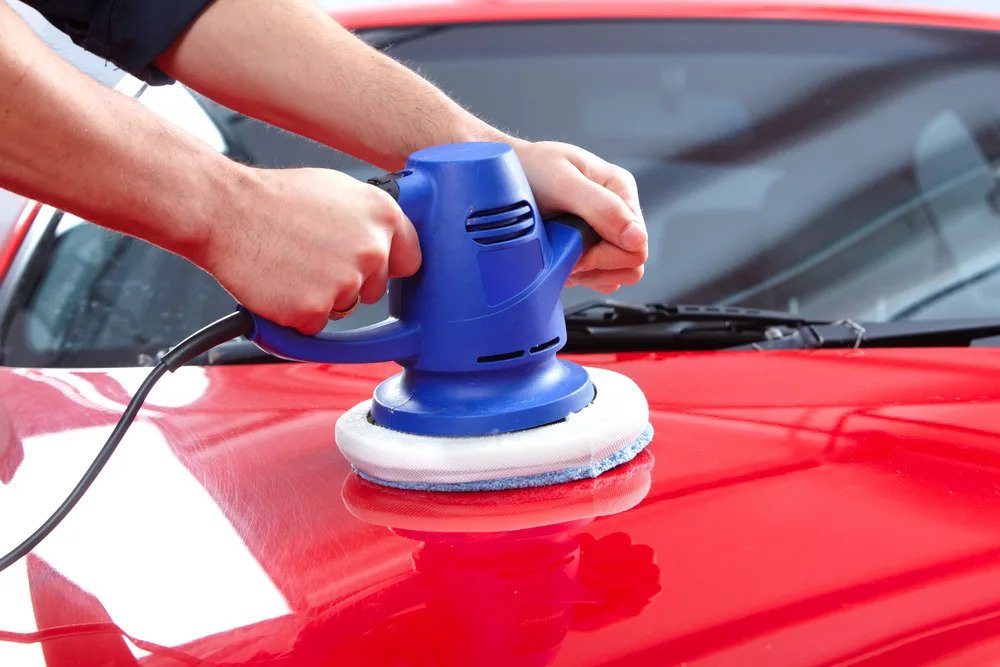
Credit: ethoscarcare.com
Waxing And Paint Compatibility
Waxing and paint compatibility is important before painting a car. Wax protects the car’s surface but can affect how paint sticks. Understanding this helps avoid paint problems. Knowing the right time to paint after waxing saves effort and cost.
Different wax types interact with paint in various ways. Some waxes leave residues that stop paint from bonding well. Others wash away easily, allowing paint to stick faster. Choosing the right wax and timing can improve paint results.
Types Of Car Wax
Car waxes come in natural and synthetic forms. Natural waxes use carnauba, a plant-based ingredient. They give a deep shine but last shorter. Synthetic waxes are made from polymers and last longer. They create a strong protective layer on paint.
Paste wax is thick and needs buffing to shine. Liquid wax spreads easily and dries fast. Spray wax is light and quick to apply but less durable. Each wax type affects how soon you can paint afterward.
How Wax Affects Paint Adhesion
Wax creates a barrier on the car’s surface. This barrier blocks paint from sticking properly. Fresh wax can cause paint to peel or bubble. Paint needs direct contact with the car’s metal or primer. Wax must be fully removed for best adhesion.
It usually takes several days for wax to wear off naturally. Washing the car with a strong detergent helps remove wax faster. Paint should be applied only after confirming no wax residue remains. This ensures a smooth, lasting finish on your car.
Ideal Waiting Period
After waxing your car, wait at least 24 to 48 hours before painting. This allows the wax to fully set and prevents paint issues. Patience ensures a smooth, lasting finish on your vehicle.
Recommended Time Before Painting
After waxing your car, wait at least 24 to 48 hours before painting. This time allows the wax to fully settle and harden. Painting too soon can cause poor paint adhesion. The paint might peel or bubble if the surface is not ready. Waiting ensures a smooth, long-lasting finish on your car.
Factors Influencing Waiting Time
Temperature and humidity affect how fast wax dries. Warm, dry weather speeds up the process. Cold or humid conditions slow it down. The type of wax also matters. Some waxes dry faster, others take longer. Check the wax instructions for specific advice. Surface condition plays a role too. If the car has dirt or oils, it needs more time or cleaning before painting.
Preparing The Surface After Waxing
Preparing the surface after waxing is an important step before painting a car. Wax protects the paint and gives a shiny finish. But paint will not stick well if wax is still on the surface. Cleaning the car carefully helps the new paint bond better. This step improves the look and life of the paint job.
Cleaning removes dirt, oils, and wax residue. It creates a smooth surface for painting. Taking time to prepare the surface is worth the effort. It avoids peeling or uneven paint later.
Cleaning Techniques
Start with a mild soap and water wash. Use a soft cloth or sponge to avoid scratches. Rinse thoroughly to remove all soap. Dry the car with a clean towel to stop water spots. For stubborn dirt, use a clay bar. It lifts tiny particles from the surface. This method keeps the paint smooth and clean.
Removing Wax Residue
Use a wax remover or a strong degreaser. Apply it with a clean cloth. Rub gently in small sections. Avoid harsh scrubbing to protect the paint. After removing wax, wipe the surface with a clean cloth. This step removes oily layers that block paint. Let the car dry completely before painting. No wax means better paint adhesion and a longer-lasting finish.
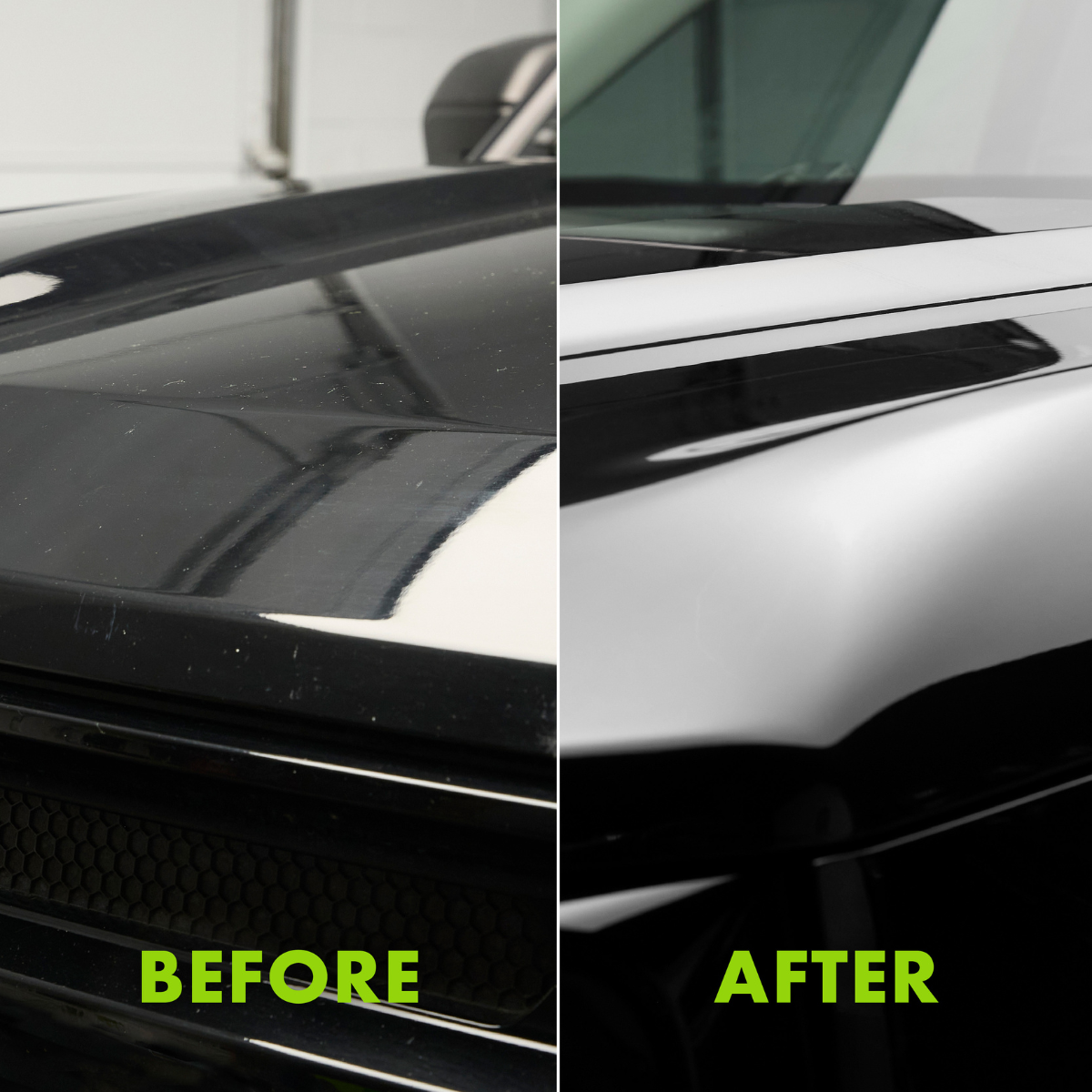
Credit: www.wipenew.com
Painting Process Tips
Painting a car after waxing requires careful steps for the best results. The surface must be ready and clean. Small mistakes can ruin the paint job. Follow these tips to prepare the car correctly before painting.
These steps help the paint stick well and last longer. Take your time with each part of the process. Good preparation saves time and money later.
Surface Inspection
Check the car surface closely after waxing. Look for wax residue left on the paint. Any leftover wax can stop the paint from sticking. Use a clean cloth and mild cleaner to remove wax. Fix small scratches or dents before painting. The surface should be smooth and dry. Proper inspection ensures a strong paint bond.
Priming And Painting Steps
Start with a good primer. Primer helps the paint stick and protects the metal. Apply the primer evenly in thin layers. Let each layer dry fully before the next. After priming, gently sand the surface with fine sandpaper. This creates a smooth base for the paint.
Use high-quality paint made for cars. Apply paint in thin coats for even coverage. Wait for each coat to dry well before the next. Avoid painting in dusty or humid places. Finish with a clear coat to protect the paint and add shine. Let the paint cure fully before touching the car.
Common Mistakes To Avoid
Painting your car after waxing requires patience and care. Many make mistakes that ruin the paint job or reduce its durability. Knowing what to avoid helps get a smooth, long-lasting finish. Below are common errors that can cause problems during painting.
Painting Too Soon After Waxing
Wax leaves a protective layer on your car’s surface. Painting immediately after waxing traps wax under the paint. This leads to poor paint adhesion and peeling later. Wait at least a few days to let the wax fully break down. Rushing the process damages the paint and wastes time.
Skipping Surface Preparation
Good surface preparation is key for a clean paint job. Wax, dirt, and oils must be completely removed. Skipping cleaning or sanding leads to uneven paint and bumps. Always clean the surface with a wax remover or rubbing alcohol. Sand lightly for better paint grip. Proper prep makes the paint smooth and lasts longer.
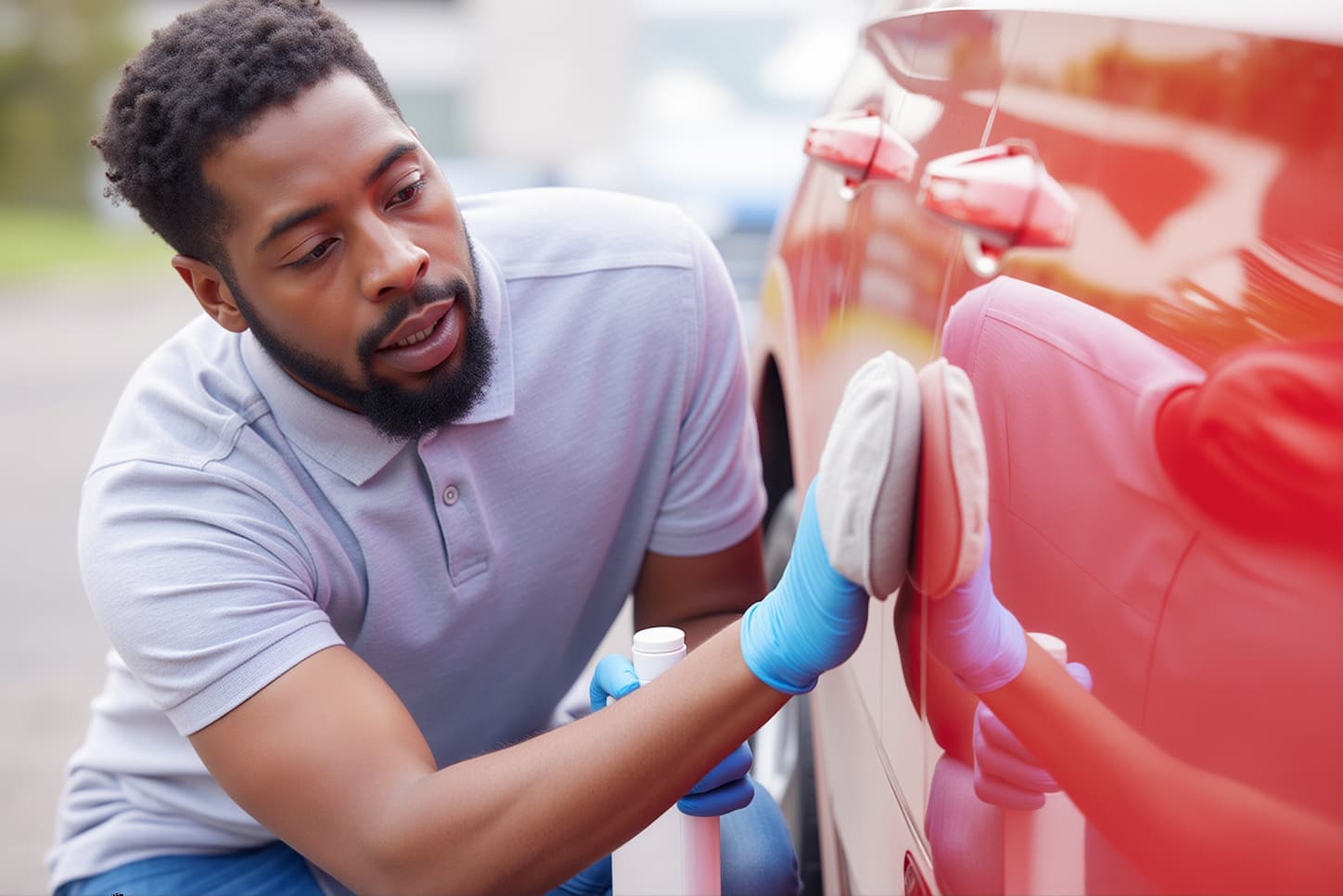
Credit: www.carstar.com
Frequently Asked Questions
How Long After Waxing Can I Paint My Car?
Wait at least 48 hours after waxing before painting your car. This allows wax residues to fully settle and ensures paint adhesion. Rushing can cause poor paint bonding and uneven finish. Always clean the surface thoroughly before starting the paint job for best results.
Does Waxing Affect Car Paint Adhesion?
Yes, waxing creates a protective layer that can hinder paint adhesion. Removing wax completely is crucial before painting. Wax residue prevents paint from bonding properly, causing peeling or bubbling. Proper surface prep ensures smooth, lasting paint application.
Can I Paint Immediately After Waxing?
No, painting immediately after waxing is not recommended. Wax residue needs time to dissipate or must be removed. Painting too soon risks poor adhesion and finish problems. Always clean the surface well and wait at least 48 hours or strip the wax first.
What Is The Best Way To Prepare Waxed Car For Painting?
To prepare a waxed car for painting, first wash thoroughly with soap and water. Next, use a wax remover or degreaser to eliminate any wax residue. Finally, sand the surface lightly to ensure paint adhesion. Proper prep guarantees a smooth and durable finish.
Conclusion
Waxing a car adds shine and protects the paint. Wait at least 24 to 48 hours before painting. This lets the wax fully set and dry. Painting too soon can cause poor paint adhesion. Clean the surface well before starting the paint job.
Taking time helps the paint stick and last longer. Patience ensures your car looks great and stays protected. Proper steps lead to better results and fewer problems.


