

Have you ever wondered how thick your brake rotors should be? Knowing this simple fact can save you from costly repairs and keep you safe on the road.
Your brakes are one of the most important parts of your vehicle, and the thickness of the rotors plays a key role in how well they work. If the rotors are too thin, they might overheat or warp, putting you at risk.
You’ll discover exactly how thick brake rotors need to be, why it matters, and how to check them yourself. Keep reading to make sure your brakes are in top shape and you’re driving with confidence.
Brake Rotor Thickness Basics
Brake rotor thickness is a key part of your car’s braking system. It affects how well your brakes work and how safe you are on the road.
Understanding the basics of rotor thickness helps you know when to replace or service your brakes. It also ensures your vehicle stops efficiently and safely every time.
What Is Rotor Thickness
Rotor thickness is the measurement of the brake rotor’s width. Rotors are metal discs that your brake pads press against to stop the car. Over time, rotors wear down and become thinner.
The thickness changes as the rotor faces heat and friction from braking. Car makers set a minimum thickness for each rotor. This is the safe limit for how thin the rotor can get.
Why Thickness Matters
Thicker rotors handle heat better and provide stronger braking power. Thin rotors can overheat quickly. This leads to brake fade, making it harder to stop.
Thin rotors also wear unevenly and may crack or warp. This causes vibrations or noises when braking. Driving with thin rotors is risky and can damage other brake parts.
Checking rotor thickness regularly keeps your brakes working well and your drives safe.
Credit: suspensionsuperstore.com
Standard Thickness Measurements
Brake rotors have specific thickness standards for safe driving. These measurements help you know if rotors are good or need replacement.
Rotors wear down over time from friction. Checking thickness ensures brakes work well and avoid damage.
New Vs. Worn Rotors
New rotors usually measure between 20 to 30 millimeters thick. This thickness varies by vehicle model and rotor type.
Worn rotors lose thickness due to heat and brake pad contact. As rotors get thinner, braking power decreases.
Measuring rotor thickness helps spot wear early. It keeps your brakes safe and efficient.
Minimum Thickness Limits
Each rotor has a minimum thickness limit set by manufacturers. This limit is the thinnest safe rotor can be.
Driving with rotors thinner than this limit risks brake failure. It also leads to poor braking performance.
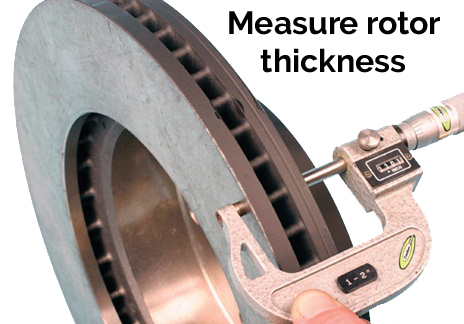
Use a micrometer to measure rotor thickness. Replace rotors that reach or go below the minimum thickness.
Effects Of Rotor Thickness On Safety
Brake rotor thickness plays a key role in vehicle safety. Rotors that are too thin may fail to perform well under stress. This can reduce the overall safety of your braking system. Understanding how thickness affects safety helps you keep your vehicle reliable and secure.
Heat Dissipation And Warping
Thicker rotors absorb and spread heat better. This reduces the risk of overheating during braking. Thin rotors heat up quickly, causing uneven expansion. This can lead to warping of the rotor surface. Warped rotors create vibrations and reduce brake effectiveness. Proper thickness helps maintain rotor shape and smooth braking.
Impact On Braking Distance
Rotors with adequate thickness ensure consistent braking force. Thin rotors may lose strength and cause longer stopping distances. This increases the risk of accidents. Maintaining the correct rotor thickness improves brake response and shortens stopping time. Safe braking depends on having rotors that meet thickness standards.

Credit: www.researchgate.net
Performance And Handling
Brake rotors play a key role in how your car performs and handles. Their thickness affects the braking feel and control of the vehicle. Thicker or thinner rotors change how the brakes respond during driving. This section explores the link between rotor thickness and driving experience.
Rotor Thickness And Brake Feel
Thicker rotors help absorb heat better during braking. This keeps the brakes cooler and reduces brake fade. Brake fade makes the brake pedal feel soft or less responsive. Thin rotors heat up quickly, causing uneven brake pressure. This can lead to a shaky or spongy brake feel. Proper rotor thickness ensures a firm and steady brake pedal.
Influence On Vehicle Control
Brake rotors affect how well the driver controls the vehicle. Thick rotors provide consistent braking power and better stopping distances. This helps keep the car stable during sudden stops. Thin or worn rotors can cause vibrations and pulling to one side. These issues reduce driver confidence and control. Maintaining correct rotor thickness is vital for safe handling.
Measuring Rotor Thickness
Measuring rotor thickness is a simple but important task. It helps to know if brake rotors need replacement. Thin rotors can cause poor braking and safety risks. Checking thickness keeps your vehicle safe and working well.
Tools Needed
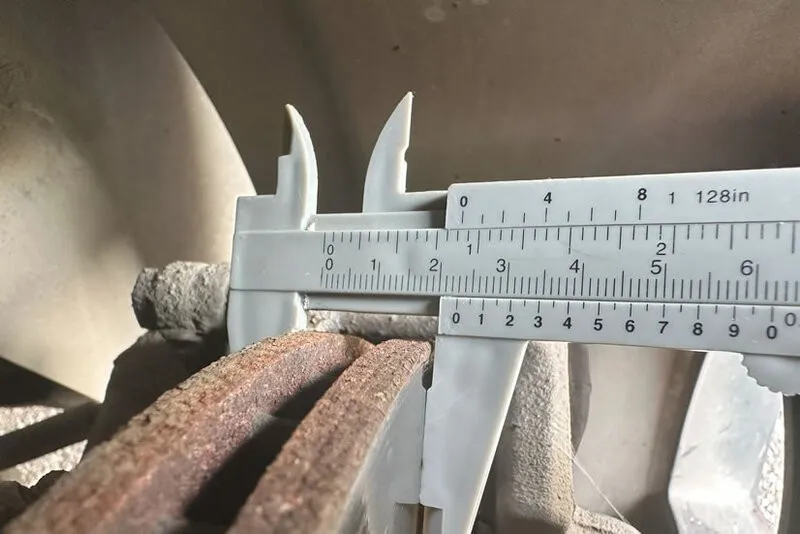
You need a few tools to measure rotor thickness accurately. A micrometer or a brake rotor gauge works best. These tools measure small distances precisely. Some people use a caliper, but it is less accurate. Clean the rotor surface before measuring to get the right reading.
Step-by-step Measurement
First, park your car on a flat surface and turn off the engine. Remove the wheel to access the brake rotor. Clean the rotor surface to remove dirt and rust.
Place the micrometer or gauge on the rotor edge. Measure at different points around the rotor. Note the smallest measurement. Compare this number to the minimum thickness listed in your car manual or on the rotor itself.
Thin rotors need replacement. Thick rotors can stay in use. Regular checks help keep brakes safe and effective.
When To Replace Brake Rotors
Brake rotors wear out over time and need replacement to keep your car safe. Knowing when to replace them helps avoid brake failure and costly repairs. Rotor thickness is key. When it gets too thin, braking power drops.
Signs Of Excessive Wear
Look for vibrations when braking. This means uneven rotor surfaces. Also, listen for squealing or grinding sounds. These noises often show worn rotors. Check for visible grooves or cracks on the rotor. Deep grooves reduce rotor thickness. Cracks can cause rotor failure. If your car pulls to one side when braking, rotors may be warped.
Manufacturer Recommendations
Car makers provide minimum rotor thickness in manuals. This number tells you the thinnest safe rotor. Use a micrometer to measure the rotor thickness. Replace rotors before they reach this limit. Following these guidelines ensures proper brake function. Using rotors thinner than recommended risks brake damage and accidents.
Maintaining Optimal Rotor Thickness
Maintaining the right thickness of brake rotors is key for safe driving. Thin rotors can cause poor braking and increase stopping distance. Keeping rotors thick enough ensures they work well and last longer.
Regular Inspections
Check brake rotors often to spot wear early. Use a micrometer to measure rotor thickness. Compare the reading with the minimum thickness set by the car maker. Replace rotors if they are too thin or show deep grooves. Regular checks prevent brake failure and expensive repairs.
Brake Pad Replacement Timing
Change brake pads before they wear down completely. Worn pads can damage rotors quickly. New pads help keep rotor thickness steady. Follow the car’s recommended schedule for pad changes. Timely replacement protects rotors and keeps brakes strong.
Upgrading Brake Rotors
Upgrading brake rotors can improve your vehicle’s stopping power and safety. Thicker rotors often offer better heat management. This helps reduce brake fade on long drives or in heavy traffic. Choosing the right rotors matters for performance and durability.
Choosing High-performance Rotors
High-performance rotors use special materials like carbon or ceramic. These materials handle heat better than standard rotors. Some rotors have drilled or slotted designs. These designs help cool the brakes faster. They also clear away dust and water. This keeps braking consistent and reliable in tough conditions.
Match your rotor type to your driving style. Sports cars or trucks need stronger rotors. Daily drivers can choose rotors that balance cost and performance. Always check compatibility with your vehicle model.
Benefits Of Thicker Rotors
Thicker rotors last longer under heavy use. They absorb and release heat more effectively. This prevents warping and cracking. Thicker rotors also provide a larger surface for brake pads to grip. This improves braking force and control. They reduce the risk of brake fade on steep hills or towing.
Upgrading to thicker rotors adds weight but improves safety. It helps maintain brake performance during intense driving. Consider thicker rotors for high-speed or heavy-duty needs.
Credit: www.allrotors.com
Frequently Asked Questions
What Is The Standard Thickness Of Brake Rotors?
Brake rotors typically range between 20 to 30 millimeters thick when new. Thickness varies by vehicle model and rotor type. Always check your vehicle’s manual for exact specifications to ensure safety and performance.
How Thin Can Brake Rotors Be Before Replacement?
Brake rotors should be replaced once they reach the minimum thickness specified by the manufacturer. This is usually about 2 to 3 millimeters less than the original thickness. Thinner rotors can cause reduced braking efficiency and increased risk of failure.
How To Measure Brake Rotor Thickness Accurately?
Use a micrometer or a brake rotor gauge to measure thickness. Measure at multiple points around the rotor to check for uneven wear. Always compare the readings to the manufacturer’s minimum thickness specification.
Why Does Brake Rotor Thickness Affect Braking Performance?
Thicker rotors absorb and dissipate heat better, preventing brake fade. Thin rotors can overheat, warp, or crack under heavy braking. Maintaining proper thickness ensures consistent, safe braking performance.
Conclusion
Brake rotors must have the right thickness to work well and stay safe. Thin rotors can cause poor braking and damage your car. Always check the rotor thickness regularly to avoid problems. Replace rotors that are too thin to keep brakes strong and reliable.
Proper rotor care helps your vehicle stop smoothly and safely every time. Remember, good brakes protect you and others on the road. Stay safe by keeping an eye on your brake rotors’ thickness.


