

Your car’s brakes are one of the most important safety features you rely on every day. But how do you know when your brake rotors are starting to fail?
Ignoring the warning signs can lead to costly repairs or even dangerous driving conditions. You’ll learn clear, simple ways to tell when your brake rotors are bad. By knowing exactly what to look for, you can keep your rides smooth and safe without unnecessary stress.
Keep reading—you’ll want to catch these issues early before they become a serious problem.
Signs Of Worn Brake Rotors
Brake rotors are essential for safe driving. They help stop your car by working with the brake pads. Over time, rotors wear out and can cause problems. Recognizing signs of worn brake rotors can keep you safe. Watch for these clear signals to know if your rotors need attention.
Vibrations During Braking
Feel your steering wheel shake when you brake? That’s a common sign of worn rotors. Uneven rotor surfaces cause this vibration. It often happens during hard braking or at higher speeds. These vibrations mean the rotors are warped or damaged.
Squealing Or Grinding Noises
High-pitched squeals or grinding sounds during braking are warning signs. Squealing usually means thin brake pads or rotor issues. Grinding suggests the rotor surface is severely worn. Both noises show the need for brake system check-up.
Visible Rotor Damage
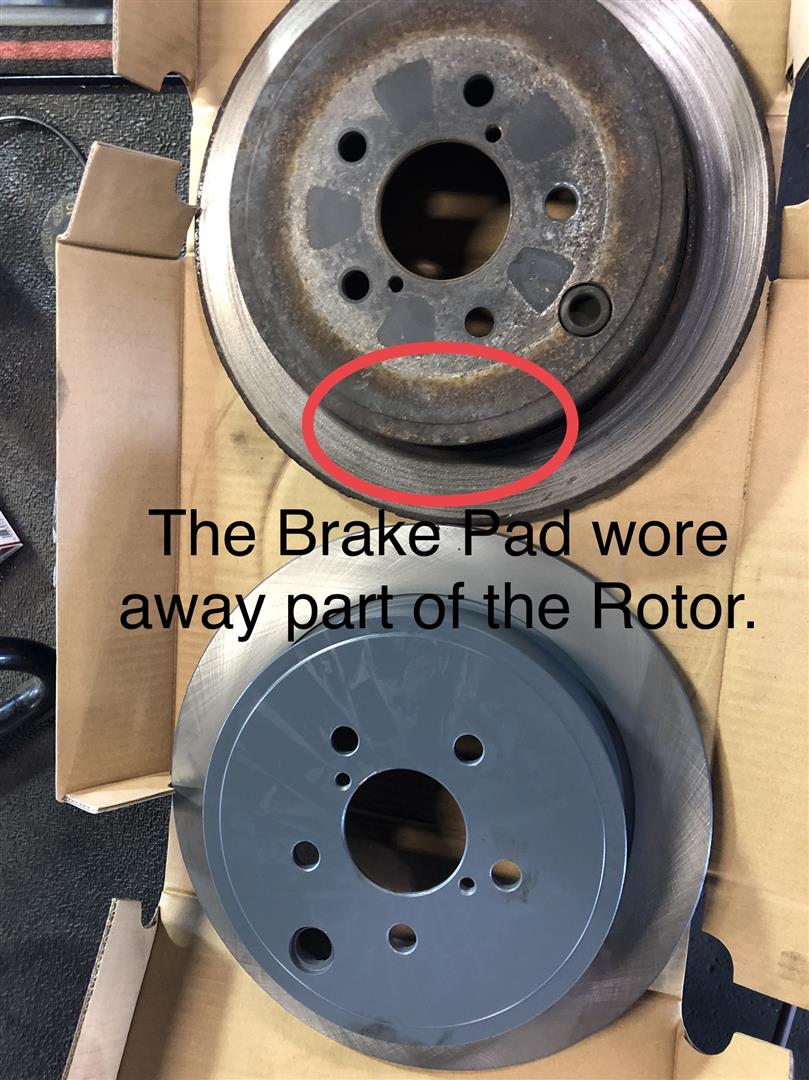
Look through your wheels at the rotors. Deep grooves, cracks, or rust spots indicate damage. These visible problems reduce rotor effectiveness. Damaged rotors can cause unsafe braking and need replacement.
Reduced Braking Performance
Notice it takes longer to stop your car? Reduced braking power may come from worn rotors. The brake pedal might feel soft or less responsive. This drop in performance signals rotor or brake pad wear.
Credit: www.ricksautoservice.org
Causes Of Rotor Damage
Brake rotors can get damaged for several reasons. Knowing these causes helps you spot problems early. Damaged rotors affect your car’s safety and braking power. Understanding what harms rotors keeps your vehicle in good shape.
Heat Buildup And Warping
Braking creates heat from friction. Too much heat makes rotors expand and warp. Warped rotors cause vibration and noise during braking. Hard stops and long downhill drives increase heat buildup. Overheated rotors lose strength and wear faster.
Corrosion And Rust
Rotors are metal and can rust over time. Moisture and salt speed up rust formation. Rust weakens the rotor surface and causes uneven braking. Cars left unused for long periods often have rusty rotors. Rust spots reduce rotor life and braking smoothness.
Excessive Wear From Pads
Brake pads press against rotors to stop the car. Worn or low-quality pads wear rotors unevenly. Rough or hard pads cause grooves and scratches on rotors. Uneven rotor wear leads to poor brake performance. Regular pad checks help prevent rotor damage.
Checking Rotor Thickness
Checking the thickness of brake rotors is a key step in spotting worn-out parts. Thin rotors can cause poor braking and unsafe driving. Measuring rotor thickness helps decide if you need new rotors or if they still work fine.
Brake rotors wear down after use. Measuring thickness shows if they meet safety rules. This process is simple with the right tools and some care.
Using A Micrometer
A micrometer measures rotor thickness precisely. It fits around the rotor’s edge to get the exact size. Clean the rotor before measuring to avoid errors.
Hold the micrometer firmly and take the reading at several points. Compare these numbers to find the thinnest area. The smallest thickness matters most for safety.
Minimum Thickness Specifications
Every rotor has a minimum thickness set by the maker. This number is often on the rotor or in the car manual. If the rotor is thinner, it must be replaced.
Ignoring the minimum thickness risks brake failure. Always check this limit to keep your car safe. Use the smallest measured thickness to compare with the minimum.
Rotor Surface Inspection
Checking the rotor surface is key to know if your brake rotors are bad. The surface must be smooth and even. Any damage or wear can affect braking safety and performance. A close look will help find signs of trouble early. This saves money and keeps driving safe.
Use good light and clean the rotor first. Dirt and dust can hide problems. Spin the wheel or take the rotor off for a better view. Watch for marks, cracks, or uneven spots on the surface.
Grooves And Scoring
Grooves are long lines cut into the rotor’s surface. They happen when brake pads wear down or get damaged. Deep grooves mean the rotor wears unevenly. This causes vibration or noise while braking.
Scoring looks like rough patches or scratches. It happens from dirt or debris caught between the pad and rotor. Light scoring is normal but heavy marks mean the rotor needs attention.
Cracks And Hot Spots
Cracks show the rotor is stressed and weak. Small cracks can grow and cause rotor failure. Check for thin, hairline cracks especially near the edge or around holes.
Hot spots appear as blue or dark patches. They form when brakes get too hot. Hot spots cause uneven braking and noise. They also make the rotor less smooth for the brake pads.
When To Replace Vs. Resurface
Knowing when to replace or resurface brake rotors is key for safe driving. Both options fix rotor problems but suit different conditions. Understanding the benefits and limits helps make the right choice.
Benefits Of Resurfacing
Resurfacing smooths out the rotor’s surface by removing a thin layer. It fixes minor warping, grooves, and uneven spots. This process saves money compared to buying new rotors. Resurfaced rotors can last longer if they are not too worn. It also helps restore proper brake pad contact for smoother stops.
Limits Of Resurfacing
Rotors have a minimum thickness. Resurfacing removes metal and cannot go below this limit. Deep cracks or severe warping cannot be fixed by resurfacing. If the rotor is too thin, it may warp again quickly. Some rotors are designed as “replace only” and cannot be resurfaced safely.
When Replacement Is Necessary
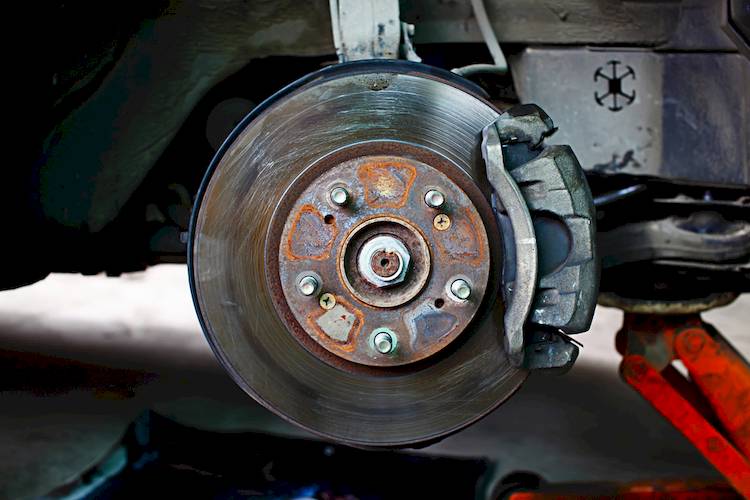
Replace rotors if they have deep cracks or heavy rust. Rotors below minimum thickness must be replaced. Severe damage or uneven wear also requires new rotors. Replacement ensures better braking performance and safety. Always check rotor condition during brake service for the best choice.
Credit: www.yourmechanic.com
Preventing Rotor Damage
Preventing rotor damage helps keep your brakes working well. Rotors wear down from use, but some steps protect them longer. Proper care saves money and keeps driving safe. Follow simple tips to avoid costly repairs and maintain smooth stops.
Proper Brake Pad Selection
Choose brake pads that match your car and driving style. Some pads wear rotors faster than others. Soft pads cause less rotor wear but may need more frequent changes. Hard pads last longer but can damage rotors. Pick pads designed to protect rotors and provide good stopping power.
Regular Maintenance Tips
Check brake components often for wear and damage. Clean rotors and pads to remove dust and dirt. Replace pads before they wear too thin. Inspect rotors for cracks, grooves, or warping. Early checks catch problems before damage gets worse.
Driving Habits That Help
Brake gently to reduce rotor stress. Avoid hard stops unless necessary. Use engine braking on long downhill drives. Give brakes time to cool after heavy use. Smooth driving lowers heat and wear on rotors, extending their life.

Credit: www.reddit.com
Frequently Asked Questions
How Do I Know If Brake Rotors Are Worn Out?
Worn brake rotors cause vibrations or pulsations when braking. You may hear squealing or grinding noises. Visible grooves or cracks on rotors also indicate wear. If braking feels less responsive, rotors might be bad. Regular inspections help detect rotor issues early.
What Causes Brake Rotors To Go Bad Quickly?
Brake rotors wear out due to overheating, hard braking, and poor maintenance. Using low-quality brake pads accelerates rotor damage. Driving in hilly areas or heavy traffic increases rotor stress. Lack of rotor resurfacing or replacement leads to faster deterioration.
Can Bad Brake Rotors Affect Vehicle Safety?
Yes, bad rotors reduce braking efficiency and increase stopping distance. They cause brake pedal vibration, which lowers control. Cracked or warped rotors risk brake failure during emergency stops. Timely rotor replacement is crucial for safe driving.
How Often Should Brake Rotors Be Replaced?
Brake rotors generally last 30,000 to 70,000 miles, depending on usage. Inspect rotors every 12,000 miles or during brake pad changes. Replace rotors if they are warped, cracked, or below minimum thickness. Follow manufacturer recommendations for optimal rotor life.
Conclusion
Bad brake rotors can cause noise and poor stopping power. Watch for vibrations or strange sounds when braking. Uneven or worn rotors affect your safety on the road. Regular checks help spot problems early. Replace rotors when you notice deep grooves or cracks.
Keeping your brakes in good shape protects you and others. Take action quickly to avoid costly repairs later. Stay alert to how your brakes feel and sound. Safe driving depends on well-maintained brake parts.


