Have you ever wondered how long your car can actually run without oil? It’s a question that might not cross your mind—until you face a sudden oil leak or forget an oil change.
Understanding this can save you from costly repairs and keep your car running smoothly. You’ll discover the surprising truth about how long your engine can go without oil and what happens when it runs dry. Keep reading to protect your car and avoid unexpected breakdowns.
Credit: alohaautorepairtx.com
Role Of Engine Oil
Engine oil plays a very important role in your car’s engine. It keeps the engine parts working well and stops them from breaking down. Without oil, the engine can get damaged quickly. Understanding what engine oil does helps you see why it is needed all the time.
Lubrication And Cooling
Engine oil acts like a slippery shield between moving parts. It stops metal parts from rubbing directly against each other. This reduces friction and stops parts from heating up too much. Oil also helps carry heat away from the engine. This keeps the engine cool and stops it from overheating.
Preventing Engine Wear
Engine parts move very fast and touch each other often. Without oil, these parts wear out fast. Oil forms a thin layer that protects the engine parts. This layer lowers damage and helps the engine last longer. Regular oil helps avoid costly repairs and keeps the car running smoothly.
Sealing And Cleaning
Oil seals small gaps between engine parts to keep pressure steady. This helps the engine work better and saves fuel. Oil also cleans the engine by carrying dirt and tiny metal pieces away. This stops buildup that can block parts and cause problems.
What Happens Without Oil
Oil is the lifeblood of your car’s engine. Without it, the engine parts rub against each other without any protection. This causes serious problems fast. Understanding what happens without oil helps you see why regular oil checks are vital.
Increased Friction
Oil forms a thin layer between engine parts. This layer stops metal from touching metal. Without oil, parts grind together. This friction wears down metal surfaces quickly. The engine struggles to move smoothly. The damage builds up fast and can cause failure.
Overheating Risks
Oil also helps cool the engine. It carries heat away from moving parts. Without oil, heat builds up inside the engine. High temperatures cause parts to expand and warp. Overheating can lead to engine seizure. This stops the car from running entirely.
Engine Component Damage
Without oil, engine parts wear out fast. Pistons, bearings, and camshafts suffer the most. Metal pieces can break off and damage other parts. This leads to costly repairs or total engine replacement. Preventing oil loss protects your engine’s health and lifespan.
Timeframe Before Damage
Knowing how long your car can run without oil is crucial. Oil keeps the engine parts moving smoothly. Without it, damage happens fast. The exact time before harm depends on many things. Understanding this timeframe helps you act quickly and save your engine.
Minutes Vs. Hours
Engines can fail in just minutes without oil. Some parts need constant lubrication to avoid friction. Without oil, metal parts rub and heat up fast. This causes wear and tear quickly. In many cases, serious damage can occur within 30 minutes. Running your car for hours without oil usually leads to complete engine failure.
Factors Affecting Duration
Engine design plays a big role in how long it lasts without oil. Older engines might handle oil loss differently than new ones. The engine’s temperature also matters. Hot engines suffer damage quicker without oil. Driving conditions affect the time too. Hard driving or heavy loads increase damage speed. The oil level before the loss impacts how long you can go. Lower oil levels mean less protection and faster damage.
Signs Of Oil Starvation
Warning signs show when your engine lacks oil. The oil pressure light on your dashboard is the first sign. Strange noises like knocking or ticking can also appear. The engine may overheat and lose power. Smoke from the exhaust can indicate oil problems. If you notice any of these signs, stop the car immediately. Continuing to drive can cause severe engine damage.

Credit: www.superiormazda.com
Consequences Of Running Dry
Running a car without oil causes serious damage. Oil keeps engine parts moving smoothly. Without oil, metal parts rub and heat up fast. This friction harms the engine and leads to major problems. Understanding these consequences helps prevent costly mistakes.
Engine Seizure
Engine seizure happens when metal parts stick together. Without oil, parts heat and expand. The engine stops working suddenly. Restarting a seized engine is often impossible. This damage can leave your car unusable.
Costly Repairs
Running dry causes wear and tear on engine parts. Repairing this damage is expensive. Mechanics may need to replace bearings, pistons, or other key parts. Repair bills often cost more than regular oil changes. This expense can strain your budget.
Potential Engine Replacement
Severe oil loss can destroy the entire engine. In some cases, replacing the engine is the only option. Engine replacement is very costly and time-consuming. It may also lower your car’s resale value. Avoiding oil loss protects your vehicle’s life.
Preventive Measures
Taking care of your car’s oil is key to keeping the engine healthy. Preventive measures help avoid damage and costly repairs. Small steps can save your car from serious oil problems.
Regular Oil Checks
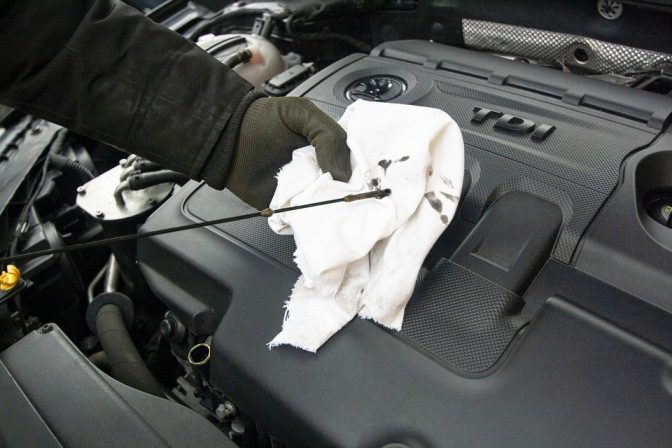
Check your oil level often. Use the dipstick to see if oil is low or dirty. Low oil can harm the engine fast. Clean, enough oil keeps the engine parts moving smoothly.
Choosing The Right Oil
Pick the right oil type for your car. Check the owner’s manual for the recommended grade. The correct oil works better and lasts longer. Using the wrong oil can cause engine wear.
Timely Oil Changes
Change your oil based on the car’s schedule. Old oil loses its ability to protect the engine. Fresh oil keeps the engine clean and cool. Timely changes improve engine life and performance.
What To Do If Oil Runs Out
Running a car without oil can cause serious damage quickly. Knowing what to do if your oil runs out can save your engine and money. Acting fast is important to protect your vehicle.
Immediate Actions
Stop your car as soon as you notice the oil is gone. Turn off the engine to avoid damage. Do not try to drive the car without oil. Check the oil level using the dipstick if possible. Add oil only if you have the right type. If unsure, wait for help to avoid mistakes.
Towing And Repair Options
Call a towing service to take your car to a mechanic. Driving without oil can cause engine failure. The mechanic will check for damage and repair it. They may drain old oil and replace it with fresh oil. Sometimes, engine parts need replacing if damaged badly. Ask the mechanic for a clear estimate before repairs.
Avoiding Future Issues
Check your oil level regularly, at least once a month. Change your oil as recommended in the car manual. Use the right oil type for your vehicle. Fix oil leaks quickly to prevent running out again. Keep an emergency oil can in your car for trips. Regular maintenance helps avoid costly repairs and keeps your car healthy.

Credit: www.reddit.com
Frequently Asked Questions
How Long Can A Car Run Without Oil?
A car can run only a few minutes without oil before severe engine damage. Oil lubricates engine parts, preventing friction and overheating.
What Happens If A Car Runs Without Oil?
Running without oil causes metal parts to grind, leading to engine overheating and failure. This can result in costly repairs or engine replacement.
Can Engine Oil Be Checked While Driving?
No, engine oil levels cannot be checked while driving. Always check oil levels with the engine off and on level ground.
How Often Should You Change Your Car’s Oil?
Change your car’s oil every 3,000 to 7,500 miles, depending on manufacturer guidelines and oil type. Regular changes keep the engine healthy.
Conclusion
Running a car without oil is very risky. The engine parts need oil to work smoothly. Without oil, the engine heats up and breaks fast. Even a short drive without oil can cause damage. Always check your oil level before driving.
Regular oil changes help your car last longer. Don’t ignore warning signs like strange noises or smoke. Taking care of your car saves you money and trouble. Drive smart, keep oil levels right, and enjoy a healthy engine. Your car will thank you with better performance and longer life.