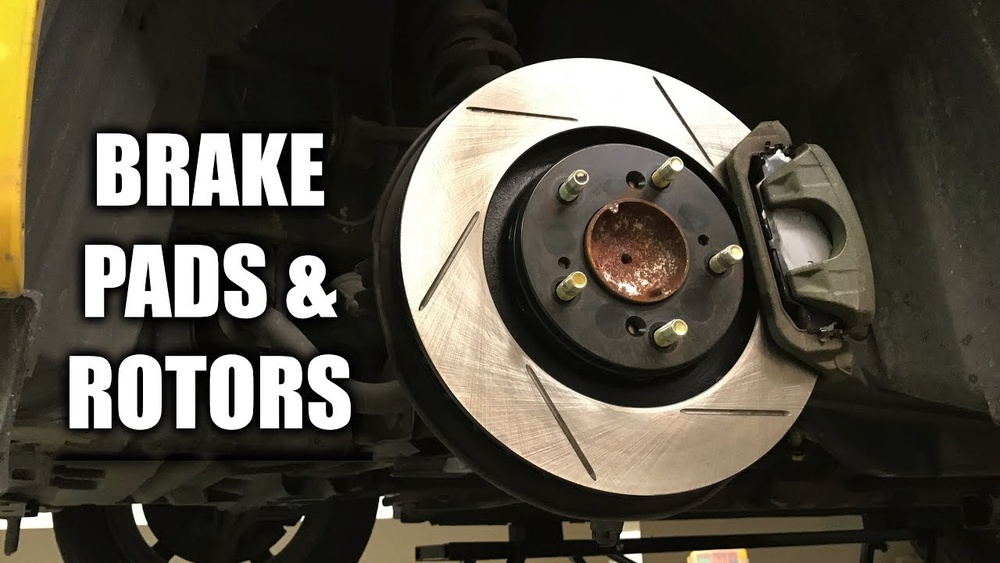
Wondering how long it takes to replace your brake pads and rotors? You’re not alone.
When your brakes start making noise or feel less responsive, you want the fix done quickly and right. Knowing the time involved helps you plan better and avoid unexpected delays. You’ll discover exactly how long the replacement process usually takes, what factors can speed it up or slow it down, and why getting it done promptly matters for your safety.
Keep reading to get the clear answers you need before your next brake service.
Brake Pads Replacement Time
Brake pads wear out with use and need replacing to keep your car safe. Knowing how long this takes helps you plan your visit to the mechanic. The time can change based on many things. Let’s explore how long brake pad replacement usually takes.
Factors Affecting Replacement Duration
The condition of the brake system impacts the time needed. Old or rusted parts take longer to remove. The skill level of the mechanic also matters. Some shops use advanced tools that speed up the process. The type of brake pads can change the time too. High-performance pads may need more care during installation.
Average Time For Standard Vehicles
Most cars with standard brakes take about 30 to 60 minutes to replace brake pads. This includes removing the wheels and checking the brake system. Simple jobs without extra repairs usually fit in this time. The mechanic also tests the brakes after replacement. This ensures everything works well and safely.
Time Variations By Vehicle Type
Small cars often need less time, around 30 minutes. Large trucks or SUVs can take longer, sometimes up to 90 minutes. Luxury or sports cars may need special tools, adding more time. Some vehicles have more complex brake systems. This complexity can increase the replacement duration significantly.
Rotor Replacement Time
Rotor replacement time varies depending on several factors. Rotors are essential for safe braking. Worn or damaged rotors need quick replacement. Knowing the time helps plan repairs better.
Signs Rotors Need Replacement
Rotors may need replacement if you hear squealing or grinding sounds. A vibrating brake pedal is another sign. Visible cracks or deep grooves on the rotor surface also indicate wear. If your car pulls to one side during braking, rotors could be uneven. These signs show rotors are no longer safe to use.
Typical Time Required For Rotor Change
Changing rotors usually takes between 1 to 2 hours. The time depends on the car model and mechanic skill. Sometimes, replacing both rotors on an axle takes longer. The process includes removing wheels, old rotors, and fitting new ones. Brake pads are often replaced during rotor changes, adding time. Proper inspection and testing extend the total repair time.
Impact Of Rotor Condition On Time
Damaged or rusted rotors take more time to remove. Stuck or seized rotors require extra effort and tools. If rotors are warped, the mechanic must check brake calipers too. Poor rotor condition can cause delays and increase labor costs. Well-maintained rotors allow faster replacement. Regular checks help keep rotor replacement quick and easy.
Tools And Equipment Needed
Replacing brake pads and rotors requires specific tools and equipment. Having the right tools makes the job safer and faster. This section explains the key tools needed for brake pad and rotor replacement. It helps you prepare before starting the work.
Essential Tools For Brake Pad Replacement
A basic set of tools is necessary to replace brake pads. You will need a lug wrench to remove the wheel nuts. A jack and jack stands lift and support the vehicle securely. A C-clamp or brake piston tool pushes the piston back into the caliper. A socket set with ratchet helps remove caliper bolts. A flathead screwdriver or pry bar assists in removing old pads. Some brake cleaner spray helps clean the brake parts. Gloves protect your hands from dirt and chemicals.
Additional Tools For Rotor Replacement
Replacing rotors needs a few more tools than pads alone. A rubber mallet or hammer helps loosen stuck rotors. A wire brush cleans rust and debris from the hub. An impact wrench speeds up removing stubborn bolts. Sometimes, a rotor puller is needed to remove tight rotors. Anti-seize lubricant prevents bolts from sticking next time. A torque wrench ensures proper tightening of all bolts. These tools help make rotor replacement easier and safer.

Credit: www.youtube.com
Diy Vs Professional Replacement
Deciding between replacing brake pads and rotors yourself or hiring a professional is important. Each choice affects time, cost, and safety. Understanding the differences helps you make the best decision for your situation.
Time Differences Between Diy And Mechanics
DIY brake pad and rotor replacement can take several hours. It depends on your experience and tools. For beginners, it may take 3 to 5 hours. Mechanics usually finish the job within 1 to 2 hours. They work faster due to experience and specialized tools.
Benefits Of Professional Service
Professionals ensure the job is done right the first time. They check for hidden problems and fix them. They use quality parts and proper tools. Your safety improves with expert installation. Professionals also offer warranties on their work.
Common Diy Challenges
DIY replacements come with risks. Lack of proper tools can slow the process. Mistakes may cause uneven brake wear or noise. Removing stuck bolts or parts is often hard. Safety may be compromised without proper knowledge. Knowing your limits is key before starting.
Tips To Speed Up Replacement
Replacing brake pads and rotors can take time. Speeding up the process helps get your car back on the road fast. Simple tips can make the job easier and quicker. Preparation and smart techniques matter a lot. Focus on these steps to reduce your work time.
Preparation Steps Before Replacement
Gather all tools before you start. Check that you have new pads and rotors ready. Clean the work area to avoid losing small parts. Use a jack stand to secure the car safely. Remove wheel lug nuts in advance. This saves effort during replacement. Having everything organized prevents delays and confusion.
Efficient Techniques To Save Time
Loosen bolts carefully but firmly. Avoid stripping screws by using the right size tools. Use a brake caliper tool to push pistons back quickly. Work on one side at a time to stay focused. Keep old and new parts separate to prevent mix-ups. Tighten bolts in the correct order to avoid rework. These methods help finish the job faster and better.
.jpg)
Credit: www.cbac.com

Credit: www.youtube.com
Frequently Asked Questions
How Long Does It Take To Replace Brake Pads?
Replacing brake pads usually takes about 30 to 60 minutes. The exact time depends on the vehicle type and technician experience. Proper installation ensures optimal brake performance and safety.
How Much Time Is Needed To Replace Brake Rotors?
Replacing brake rotors typically takes 1 to 2 hours. The process involves removing the wheel, old rotor, and installing the new one carefully.
Can Brake Pads And Rotors Be Replaced Together?
Yes, replacing brake pads and rotors together is common. It ensures even wear, better braking, and saves time on labor costs.
What Factors Affect Brake Pad And Rotor Replacement Time?
Vehicle model, brake system complexity, and technician skill affect replacement time. Some cars have complex systems requiring more careful work.
Conclusion
Replacing brake pads and rotors usually takes about one to two hours. The exact time depends on your car model and the mechanic’s experience. Regular checks help catch wear early and keep brakes working well. Don’t wait too long to fix worn parts.
Safe brakes mean safer drives. Keep your car’s braking system healthy for peace of mind on the road. Simple steps can prevent bigger problems later. Stay aware, act quickly, and drive safely.