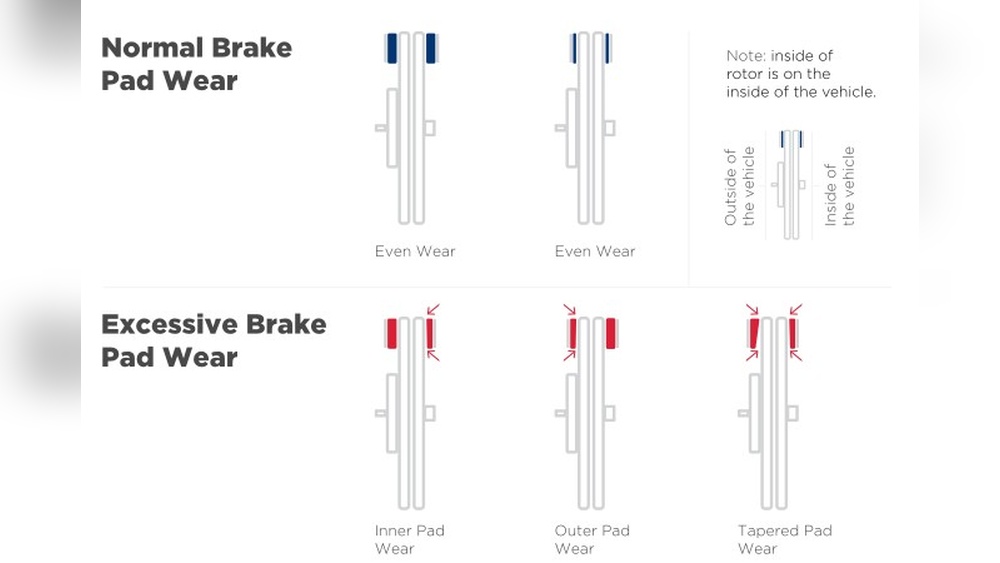
Wondering how much you should expect to pay for back brakes and rotors? If your car’s braking feels off or you hear strange noises, it might be time for a replacement.
But before you get worried about high costs, it’s important to know what factors affect the price. You’ll discover clear answers about the cost, what influences it, and how to avoid paying more than you should. Keep reading—your wallet and safety will thank you.
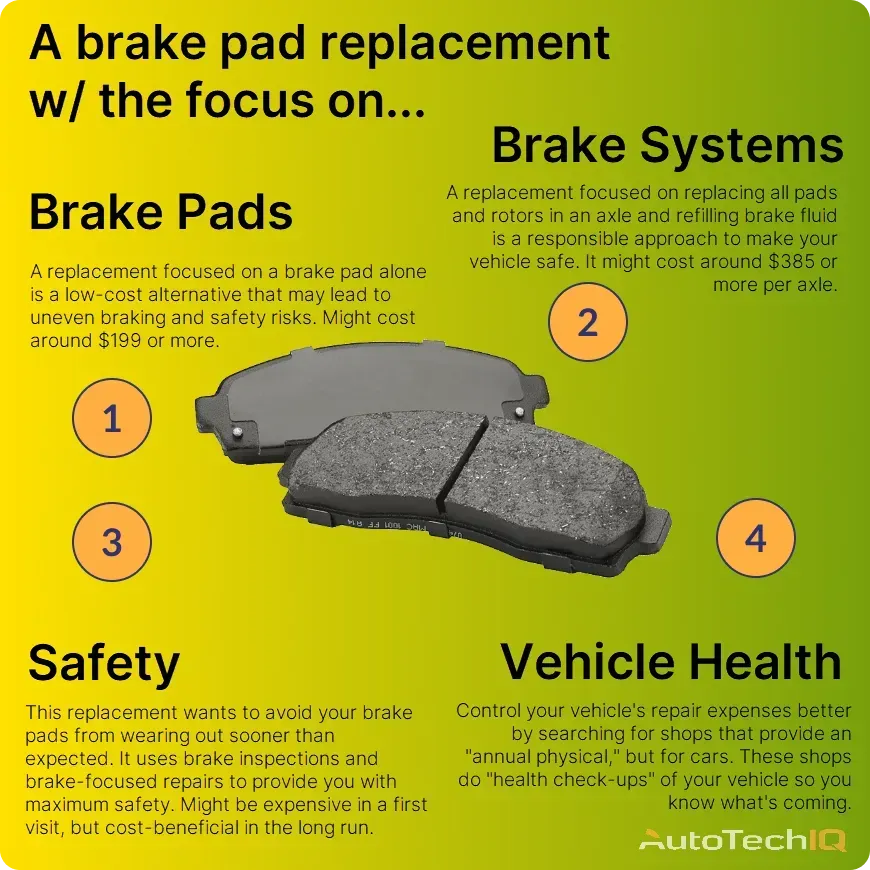
Credit: www.autotechiq.com
Back Brakes And Rotors Cost Breakdown
Understanding the cost of back brakes and rotors helps plan your car maintenance budget. Many factors affect the final price. Knowing these details avoids surprises and lets you make smart decisions.
Costs vary by parts, labor, and extra fees. Each plays a role in the total expense. Let’s break down these components clearly.
Parts Pricing Overview
Back brake pads usually cost between $30 and $80. Rotors range from $40 to $100 each. Prices depend on the car model and quality of parts. Standard parts are cheaper, while premium parts cost more.
OEM parts often cost more than aftermarket ones. Choosing the right parts balances cost and performance. Some vehicles need special rotors, which may raise the price.
Labor Charges Explained
Labor fees depend on the mechanic’s hourly rate. Typical rates range from $70 to $120 per hour. Replacing back brakes and rotors usually takes 1 to 2 hours.
Complex jobs take longer, increasing labor costs. Skilled mechanics may charge more but offer quality service. Always ask for an estimate before work begins.
Additional Fees To Expect
Extra charges can include disposal fees for old parts. Some shops add shop supply fees for materials like grease and cleaners. Taxes and environmental fees may also apply.
Ask about these fees upfront. Knowing all costs helps avoid surprises on the bill. Clear communication with the shop is key.
Factors Influencing Repair Costs
Several factors affect the cost of replacing back brakes and rotors. Understanding these factors helps you prepare for the repair expenses. Prices vary widely based on different conditions and choices. Knowing what influences the cost can save money and avoid surprises.
Vehicle Make And Model
Different cars need different brake parts. Luxury and sports cars usually have more expensive parts. Some models require special tools or labor, increasing the total cost. Older vehicles might need harder-to-find parts that cost more. Simple, common cars often have lower repair costs.
Quality Of Replacement Parts
Brake parts come in low, medium, and high quality. Cheap parts cost less but may wear out faster. Premium parts last longer and perform better but cost more upfront. Choosing the right balance between price and quality affects the total cost. Some brands offer warranties on their brake parts.
Geographic Location
Repair costs vary by location. Cities with higher living costs usually charge more for labor. Rural areas might have lower prices but fewer service options. Local taxes and fees also impact the final price. Checking prices in different areas can help find better deals.
Diy Vs Professional Replacement
Replacing back brakes and rotors can save money or cost more, depending on your choice. You can do it yourself or hire a professional mechanic. Each option has benefits and risks. Understanding these helps you decide the best way to fix your brakes safely and affordably.
Pros And Cons Of Diy
Doing the job yourself saves labor costs. Parts may be cheaper online or at local stores. You learn car repair skills. The work can be done on your schedule.
DIY requires time and patience. Mistakes can cause brake failure or damage. You need a safe workspace and correct tools. No professional warranty covers your work.
When To Hire A Mechanic
Hire a mechanic if you lack tools or experience. Complex brake systems need expert knowledge. Mechanics offer warranties on parts and labor. They can spot hidden problems and fix them fast. Safety is critical with brakes; professionals ensure proper repair.
Tools And Equipment Needed
For DIY brake and rotor replacement, essential tools include:
- Jack and jack stands for lifting the car
- Lug wrench to remove wheels
- Socket set and ratchet
- Brake caliper tool or C-clamp
- Torque wrench for proper tightening
- Brake cleaner and wire brush
- New brake pads and rotors
Having the right tools makes the job easier and safer. Using wrong or cheap tools can cause damage or injury.
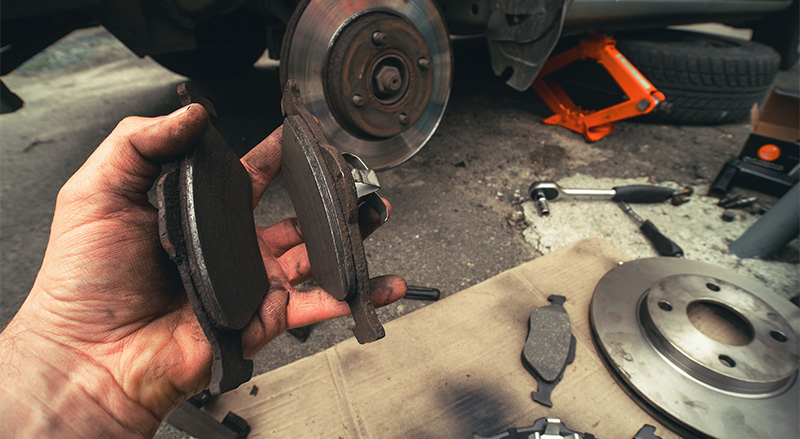
Credit: blog.napacanada.com
Signs You Need Back Brakes And Rotors Replaced
Knowing the signs that your back brakes and rotors need replacement can save you money and keep you safe. Brakes wear out over time, and ignoring warning signs can lead to costly repairs. Early detection helps maintain your vehicle’s performance and prevents accidents.
Watch for changes in how your car stops or sounds. These clues often mean your brake system requires attention. Understanding these signs lets you act quickly and avoid further damage.
Common Warning Symptoms
Squeaking or grinding noises during braking indicate worn brake pads or rotors. A pulsing brake pedal feels unusual and means the rotors may be warped. Longer stopping distances signal your brakes are losing power. Vibration in the steering wheel or brake pedal also points to rotor issues. A warning light on the dashboard can alert you to brake problems.
Impact On Vehicle Performance
Bad brakes reduce your car’s ability to stop safely. The vehicle may pull to one side when braking, making control difficult. Worn rotors cause uneven brake pressure and increase wear on other parts. Poor brake performance increases the risk of accidents. Timely replacement keeps your car safe and reliable on the road.
Ways To Save On Brake Repairs
Brake repairs can be expensive, but saving money is possible. Knowing smart ways to reduce costs helps keep your car safe without overspending. This section shares simple tips to save on back brakes and rotors.
Choosing Affordable Parts
Buying brake parts does not mean choosing the cheapest option. Look for quality parts at a lower price. Aftermarket parts often cost less than original parts but still work well. Compare prices from different stores or online shops. Avoid very cheap parts that wear out fast or cause damage. Balance cost with durability for the best value.
Finding Reliable Mechanics
Good mechanics fix brakes right the first time. Search for local shops with good reviews and fair prices. Ask friends or family for recommendations. Avoid quick fixes or upselling unnecessary parts. A reliable mechanic saves money by preventing repeated repairs. Always get a clear estimate before work starts.
Maintenance Tips To Extend Lifespan
Regular brake care helps avoid early repairs. Check brake pads and rotors often. Keep your car clean to reduce dirt buildup on brakes. Avoid hard braking and sudden stops when possible. Drive gently on hills and rough roads. Timely brake fluid changes keep parts working longer. Small care steps save money on big repairs.
Comparing Brake Service Quotes
Comparing brake service quotes helps you find the best price and quality for back brakes and rotors. Different shops charge different amounts. Some include parts and labor in one price. Others list them separately. Knowing what each estimate covers saves money and avoids surprises.
Getting several quotes gives a clear picture of the market. It also shows which shops are honest and which ones might overcharge. Take time to compare details, not just the total cost. Good service keeps your car safe and your wallet happy.
What To Look For In Estimates
Check if the quote includes both parts and labor. Ask if the parts are new or refurbished. Find out the brand and quality of the rotors and brake pads. See if taxes and fees are added. Look for any warranty or guarantee on the work. A clear, detailed estimate means less chance of extra costs later.
Questions To Ask Service Providers
Ask how long the brake service will take. Inquire about the type of rotors and pads used. Find out if the shop offers a warranty on parts and labor. Ask if they inspect other brake system parts. Check if they use special tools or techniques. Clear answers help you trust the service provider.

Credit: www.reddit.com
Frequently Asked Questions
How Much Do Back Brakes And Rotors Cost?
Back brakes and rotors typically cost between $150 and $300. Prices vary based on vehicle type and quality of parts. Labor costs can increase the total. Always get a detailed estimate from your mechanic before proceeding.
What Factors Affect Back Brake And Rotor Prices?
Brake and rotor prices depend on vehicle model, part quality, and labor rates. Performance or luxury cars usually cost more. OEM parts are pricier than aftermarket options. Location and mechanic expertise also influence total cost.
How Often Should Back Brakes And Rotors Be Replaced?
Back brakes and rotors should be replaced every 30,000 to 70,000 miles. This varies by driving habits and conditions. Regular inspections help detect wear early. Replacing them promptly ensures safety and optimal braking performance.
Can I Replace Back Brakes And Rotors Myself?
Yes, if you have mechanical skills and proper tools, you can replace them. However, improper installation risks safety and performance issues. For most, professional replacement is safer and ensures warranty coverage.
Conclusion
Back brakes and rotors cost depends on your car model and location. Parts and labor prices can vary a lot. Choosing quality parts helps your vehicle stay safe. Regular brake checks prevent expensive repairs later. Ask a trusted mechanic for clear estimates.
Knowing costs upfront helps you plan your budget well. Keep your brakes in good shape for safer driving. Simple maintenance saves money and stress down the road. Don’t wait until brakes fail—stay ahead of problems.