

When was the last time you checked your brakes? Knowing how long new brakes and rotors last can save you from unexpected repairs and keep you safe on the road.
You might wonder if your brakes should still feel strong or if it’s time for a change. This article will clear up the mystery and give you simple answers. By the end, you’ll understand what affects brake life and how to spot signs that you need new parts.
Keep reading to protect your car and your peace of mind.
Credit: www.tiresplus.com
Brake And Rotor Lifespan Basics
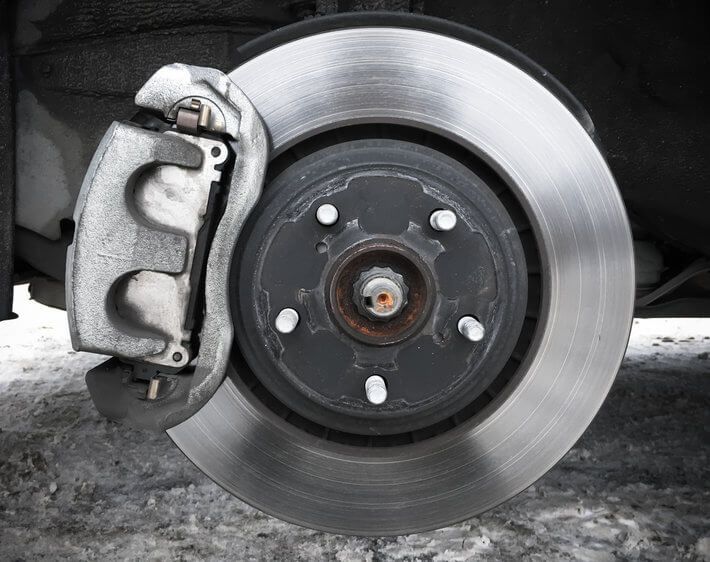
Brakes and rotors are key parts of your car’s safety system. Knowing how long they last helps you plan maintenance. This section explains the basics of brake and rotor lifespan. It covers typical durability ranges and what affects how long they last.
Typical Durability Ranges
Brake pads usually last between 30,000 and 70,000 miles. Rotors can last much longer, around 50,000 to 70,000 miles. Some rotors may need replacement sooner if damaged or worn out. These numbers vary by car type and driving habits.
New brakes and rotors provide better stopping power. Worn parts reduce braking efficiency and can be unsafe. Regular checks help catch wear early and avoid costly repairs.
Factors Influencing Lifespan
Driving style greatly affects brake and rotor life. Hard braking wears parts faster. City driving with frequent stops also shortens lifespan. Highway driving is easier on brakes because it involves less stopping.
Road conditions matter too. Hilly or rough roads increase wear. Weather plays a role. Wet or salty roads can cause rust and corrosion on rotors.
Quality of brake parts impacts durability. High-quality pads and rotors last longer. Proper installation and maintenance extend the life of brakes. Regular inspections help spot problems early.
Credit: nubrakes.com
Types Of Brake Pads
Brake pads play a crucial role in the braking system. They press against the rotors to slow down or stop your vehicle. Different types of brake pads affect how long your brakes and rotors last. Choosing the right type can improve safety and save money.
Here are the three main types of brake pads used in most vehicles.
Organic Pads
Organic pads are made from natural materials like rubber and glass. They are soft and quiet when braking. These pads wear faster than others and produce more dust. They are gentle on rotors but may not last long in heavy use.
Semi-metallic Pads
Semi-metallic pads contain metal fibers and other materials. They offer strong braking power and last longer than organic pads. These pads can be noisy and cause more rotor wear. They work well in hot conditions and heavy braking.
Ceramic Pads
Ceramic pads are made from ceramic fibers and other filler materials. They are quiet and produce less dust than other types. These pads last a long time and are gentle on rotors. They tend to be more expensive but provide smooth braking performance.
Rotor Material Varieties
Rotors are a key part of your braking system. Their material affects how long they last and how well they work. Different types of rotor materials fit different driving needs and budgets. Understanding these options helps you choose the right rotor for your vehicle.
Cast Iron Rotors
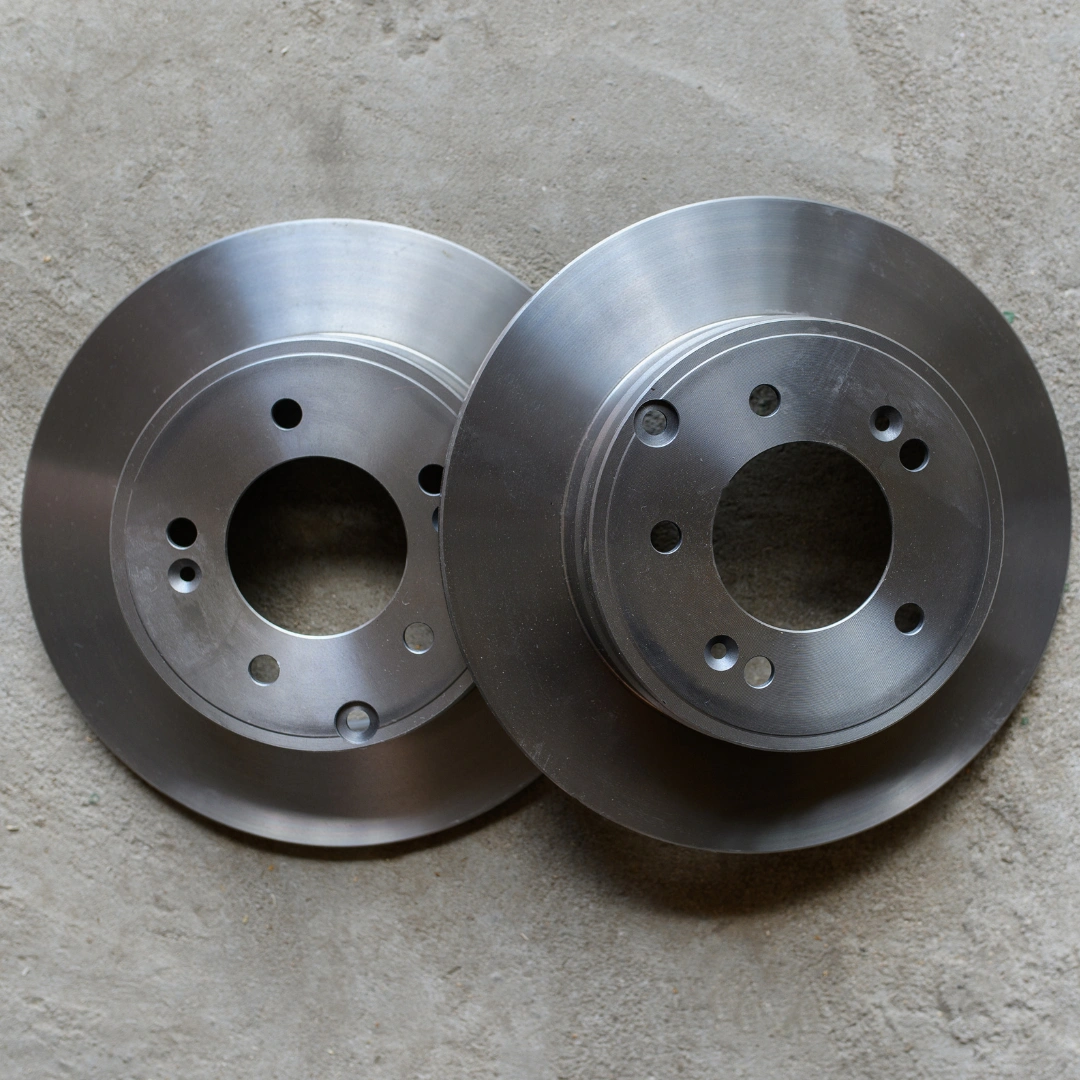
Cast iron rotors are common and affordable. They offer solid braking power and last a long time under normal use. These rotors handle heat well but can be heavy. They wear evenly and are easy to replace. Many cars use cast iron rotors because they balance cost and performance.
Composite Rotors
Composite rotors combine materials like steel and aluminum. They are lighter than cast iron, improving fuel efficiency. These rotors cool faster and reduce brake fade during heavy use. Composite rotors cost more but last longer in tough driving conditions. They suit drivers who want better performance without heavy parts.
Slotted And Drilled Rotors
Slotted and drilled rotors have grooves or holes on the surface. These features help heat escape and remove water or debris. They improve braking in wet or rough conditions. These rotors can wear brake pads faster but offer strong stopping power. Many sports and performance cars use slotted or drilled rotors.
Driving Habits And Their Impact
Driving habits play a big role in how long new brakes and rotors last. The way you drive can either protect your brake system or wear it out quickly. Understanding these habits helps you keep your brakes in good shape and avoid costly repairs.
City Vs. Highway Driving
City driving uses brakes more often than highway driving. Stop-and-go traffic means frequent braking. This constant use causes faster wear on brakes and rotors. Highway driving lets brakes cool down more. You use brakes less because of steady speeds. This helps brakes last longer.
Aggressive Braking Effects
Hard braking puts extra stress on brakes. It heats up rotors quickly and causes damage. Sudden stops wear brake pads faster. Smooth, gradual braking saves brake life. Avoid slamming on brakes to protect parts. Gentle braking helps rotors stay cool and strong.
Load And Terrain Considerations
Heavy loads make brakes work harder. Carrying weight increases brake wear and tear. Driving on hills or rough roads adds stress. Going downhill often requires more braking. This can shorten brake and rotor life. Light loads and flat roads reduce wear. Brake maintenance depends on these driving conditions.
Maintenance Tips To Extend Life
Keeping your brakes and rotors in good shape helps them last longer. Simple care steps protect these parts. This saves money and keeps driving safe. Follow these tips to extend the life of new brakes and rotors.
Regular Inspections
Check your brakes often. Look for wear, cracks, or damage. Listen for unusual sounds when braking. Catch problems early to avoid bigger repairs. Regular inspections keep your braking system reliable.
Proper Bedding Procedures
New brakes need a break-in process. Drive gently for the first 200 miles. Avoid hard stops during this time. This helps pads and rotors work well together. Proper bedding prevents uneven wear and noise.
Timely Replacement Signs
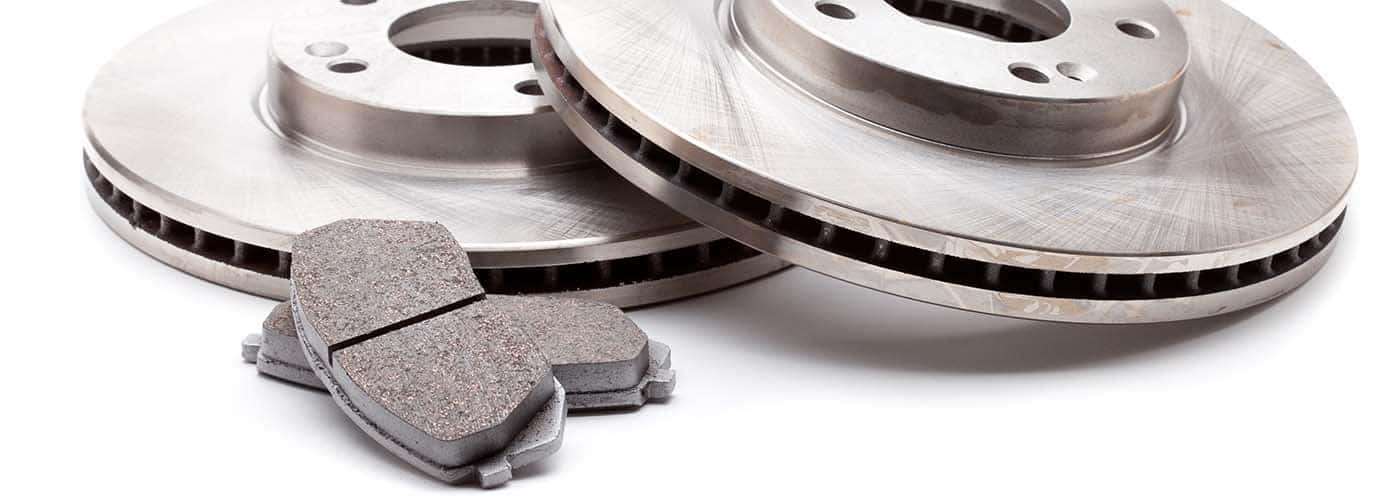
Replace parts before they fail completely. Watch for vibrations, squeaking, or longer stopping distance. Thin brake pads need quick changes. Rotors with deep grooves or warping should be replaced. Timely action ensures safety and saves costs.
Credit: www.marinechevy.com
Common Brake And Rotor Problems
New brakes and rotors should last a long time, but problems can happen. Knowing common issues helps you spot trouble early. These problems can reduce safety and increase repair costs.
Brake and rotor problems usually show in a few ways. Some are easy to hear or feel. Others need a closer look. Understanding these signs keeps your car safe and smooth.
Warping And Cracking
Warping happens when rotors get too hot. Hot rotors change shape and cause shaking. Cracks may form on the rotor surface. Small cracks can grow and cause failure. Heat from hard braking often causes these problems.
Uneven Wear Patterns
Uneven wear means brakes or rotors wear down in spots. This can cause poor stopping power. It often happens from bad brake calipers or dirty parts. Uneven wear makes your brakes feel rough and less reliable.
Noise And Vibration Issues
Squealing or grinding noises mean brake trouble. Vibrations in the brake pedal or steering wheel also show problems. These signs often mean worn pads or bad rotors. Ignoring noise and vibration leads to bigger repairs.
Cost Implications Of Replacement
Replacing brakes and rotors affects your budget noticeably. Knowing the cost helps plan your car maintenance better. Costs vary by parts, labor, and service type. Understanding these can save money and avoid surprises.
Parts And Labor Costs
Brake pads and rotors have different prices. Basic brake pads cost less, while premium ones cost more. Rotors also vary by quality and brand. Labor charges depend on the mechanic’s experience and location. A typical replacement may take one to two hours. Total costs often range from $150 to $400.
Diy Vs. Professional Service
Doing the job yourself cuts labor costs. You only pay for parts and tools. But it needs skill and safety knowledge. Mistakes can cause bigger damage or accidents. Professional service costs more but ensures proper installation. It also saves time and guarantees work quality.
Long-term Savings From Proper Care
Regular brake checks extend the life of parts. Proper care reduces the need for early replacement. Clean brakes last longer and work better. Timely replacements prevent damage to other components. This lowers overall repair costs over time.
Frequently Asked Questions
How Long Do New Brakes Typically Last?
New brakes usually last between 30,000 and 70,000 miles. This depends on driving habits, road conditions, and brake quality. Regular maintenance can extend their lifespan and ensure safety on the road.
When Should Rotors Be Replaced With New Brakes?
Rotors should be replaced when they are warped, cracked, or worn below thickness specifications. This often coincides with brake pad replacement to maintain optimal braking performance and safety.
Can Driving Habits Affect Brake And Rotor Lifespan?
Yes, aggressive braking and frequent stop-and-go traffic reduce brake and rotor lifespan. Gentle braking and highway driving help brakes and rotors last longer and perform better.
How To Maintain New Brakes And Rotors For Longevity?
Regular inspections, timely pad replacements, and avoiding harsh braking help maintain brakes and rotors. Keeping them clean and checking brake fluid also improves their lifespan and functionality.
Conclusion
New brakes and rotors can last many miles with care. Driving habits and road conditions affect their lifespan. Regular checks help catch wear early and keep you safe. Replacing parts on time avoids bigger car problems later. Pay attention to strange noises or vibrations while driving.
Proper maintenance saves money and keeps your brakes strong. Stay alert and take action when you notice changes. Safe driving depends on good brakes and rotors working well.


