

Your brakes are one of the most important parts of your car, keeping you safe every time you hit the road. But how do you know when it’s time to change your brake rotors?
Ignoring worn rotors can lead to costly repairs and, more importantly, put your safety at risk. You’ll discover the clear signs that tell you it’s time for new rotors. Knowing these signals can save you money and keep your drives smooth and secure.
Keep reading to learn exactly what to watch for and how to act before small problems turn into big ones.
Brake Rotor Basics
Brake rotors play a key role in vehicle safety. They work with brake pads to stop your car. Understanding their basics helps you know when to replace them. This section explains the role and types of brake rotors.
Role Of Brake Rotors
Brake rotors are metal discs attached to the wheels. When you press the brake pedal, pads squeeze the rotors. This creates friction that slows down the wheels. The rotors must be strong and smooth for effective braking. Worn or damaged rotors reduce braking power. They can cause vibrations or noise while driving. Regular checks keep the rotors in good condition.
Types Of Rotors
There are different types of brake rotors. The most common is the solid rotor, a simple flat disc. It works well for everyday driving. Ventilated rotors have air channels to cool faster. These are used in larger or high-performance cars. Slotted rotors have grooves to remove debris and gas. Drilled rotors have holes for better heat dissipation. Each type suits different driving needs and conditions.
Credit: www.youtube.com
Signs Of Worn Brake Rotors
Brake rotors wear down over time and need replacement to keep your vehicle safe. Recognizing worn brake rotors early helps avoid costly repairs and dangerous driving. Several clear signs show when rotors need changing. Watch for these common symptoms during your daily drives.
Vibrations During Braking
Feeling vibrations in the brake pedal or steering wheel means rotor wear. Uneven rotor surfaces cause shaking when brakes apply. This can make your ride uncomfortable and less safe. Check for vibrations especially at higher speeds or firm braking.
Squealing Or Grinding Noises
High-pitched squeals or grinding sounds often signal worn rotors. Brake pads rubbing on damaged rotors create these noises. Ignoring this can damage rotors further and reduce braking power. Noises usually get louder as wear worsens.
Visible Rotor Damage
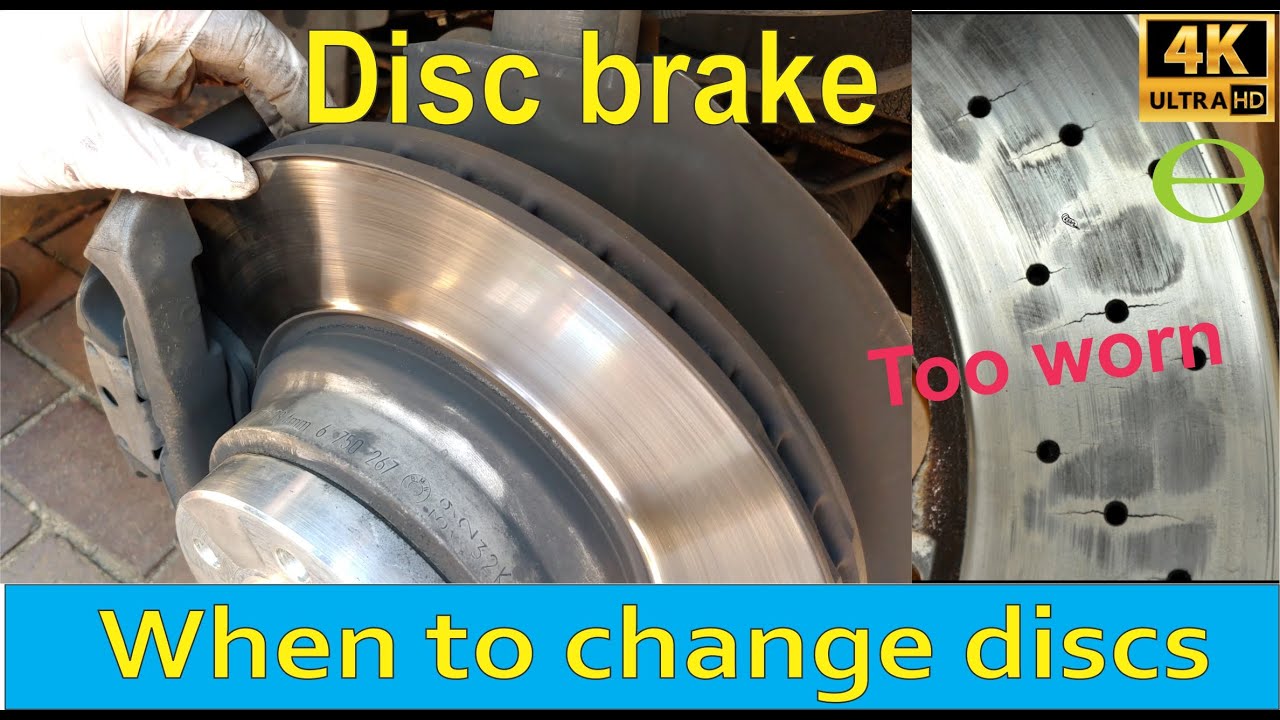
Look closely at your rotors for grooves, cracks, or rust spots. Deep grooves or cracks show serious wear and need rotor replacement. Rust can weaken the rotor surface, causing brake issues. Regular checks help spot damage early.
Brake Pedal Pulsation
Pulsing or a rhythmic bounce in the brake pedal means rotor problems. Warped rotors cause uneven contact with brake pads. This pulsation reduces smooth braking and control. It often occurs during hard or steady braking.
Measuring Rotor Wear
Measuring rotor wear is a key step in knowing when to change brake rotors. Rotors wear down over time from friction with brake pads. Regular checks help keep braking safe and effective. You can measure rotor wear by checking thickness and looking for warping or cracks. Both affect how well your brakes work and how long rotors last.
Checking Rotor Thickness
Rotor thickness is the first sign of wear. Use a micrometer or caliper to measure it. Compare the measurement to the minimum thickness marked on the rotor. If the rotor is thinner than this limit, replace it. Thin rotors heat up quickly and can fail. Measure in several spots to find uneven wear.
Identifying Warping And Cracks
Warped rotors cause vibration when braking. You can feel this as a shaking steering wheel or pedal. Inspect the rotor surface for cracks or deep grooves. Small cracks can grow and lead to rotor failure. Warped or cracked rotors must be replaced to ensure safe braking.
Factors Affecting Rotor Lifespan
Brake rotors do not last forever. Many things affect how long they stay in good condition. Knowing these factors helps you decide when to change them. Some wear happens faster than expected. Understanding these causes can save money and keep driving safe.
Driving Habits
Hard braking wears rotors faster. Stopping suddenly or often creates more heat. Heat causes rotors to warp or crack. Smooth, gentle braking helps rotors last longer. Driving in heavy traffic means more stops. More stops mean quicker rotor wear.
Environmental Conditions
Road salt and moisture cause rust on rotors. Rust weakens metal and causes noise. Mountain roads with many curves require more braking. This wears rotors down faster. Hot climates can also affect rotor life. Heat causes faster metal fatigue over time.
Brake Pad Quality
Cheap brake pads wear rotors quickly. Harder pads can cause rotor grooves. Softer pads protect rotors but wear out fast. Good quality pads reduce rotor damage. Changing pads on time extends rotor lifespan. Always choose pads that fit your driving style.
When To Replace Vs. Resurface Rotors
Knowing when to replace or resurface brake rotors helps keep your car safe. Both options fix rotor problems but suit different situations. Understanding the difference saves time and money. It also prevents brake damage and ensures smooth driving.
Resurfacing Criteria
Resurfacing means shaving a thin layer off the rotor’s surface. This removes small grooves and uneven spots. Rotors that are still thick enough can be resurfaced. The surface must be free of deep cracks or heavy rust. Rotors with minor warping or light scoring are good candidates. Resurfacing restores smooth contact with brake pads. It extends rotor life without the cost of new parts.
Replacement Indicators
Replace rotors if they are too thin or badly damaged. Deep grooves, cracks, or heavy rust cannot be fixed by resurfacing. Rotors that cause vibration or noise often need replacement. Also, if resurfacing would make the rotor thinner than the safe limit, replace it. Thin rotors can overheat and fail. New rotors offer better braking and safety. Always check rotor thickness with a gauge before deciding.
Credit: www.reddit.com
Maintenance Tips For Longer Rotor Life
Brake rotors need care to last longer and work well. Proper maintenance helps avoid costly repairs and keeps driving safe. Small steps can make a big difference in rotor life.
Follow these tips to keep your brake rotors in good shape for many miles.
Regular Inspections
Check your brake rotors often for signs of wear or damage. Look for cracks, grooves, or rust. Early spotting of problems can prevent bigger damage later. Use a flashlight and clean cloth for a clear view. Inspect rotors every time you change brake pads or at least twice a year.
Proper Brake Use
Brake gently to avoid rotor damage. Hard or sudden stops can cause rotors to warp. Slow down gradually instead of slamming the brakes. Avoid riding the brakes on long downhill drives. Smooth braking keeps the rotors cool and prevents uneven wear.
Timely Brake Pad Replacement
Replace brake pads before they wear out completely. Worn pads can damage the rotors quickly. Check pads every 10,000 miles or as recommended in your vehicle manual. Fresh pads reduce friction and protect rotor surfaces. Timely replacement saves money and extends rotor life.

Credit: www.brakestoyou.com
Frequently Asked Questions
How Often Should Brake Rotors Be Replaced?
Brake rotors usually need replacement every 30,000 to 70,000 miles. This varies by driving habits and rotor quality. Regular inspections help determine wear and avoid damage to braking performance.
What Are Common Signs Of Worn Brake Rotors?
Common signs include vibration when braking, squealing noises, and uneven brake pad wear. These symptoms indicate rotor warping or thinning, which reduces braking efficiency and safety.
Can Brake Rotors Be Resurfaced Instead Of Replaced?
Yes, rotors can be resurfaced if they are not too thin or damaged. Resurfacing smooths out imperfections, extending rotor life and saving replacement costs, but it must meet thickness safety standards.
How Does Rotor Thickness Affect Brake Performance?
Rotor thickness impacts heat dissipation and braking power. Thin rotors overheat quickly, causing brake fade and reduced stopping ability. Measuring rotor thickness ensures safe braking and helps decide if replacement is necessary.
Conclusion
Brake rotors wear down over time and need attention. Listen for squealing or grinding sounds while driving. Feel for vibrations when you press the brake pedal. Check for visible grooves or cracks on rotors. Timely rotor changes keep your brakes safe and strong.
Don’t wait for serious damage to happen. Regular inspections help spot problems early. Safe driving starts with good brake care. Stay alert and maintain your vehicle well. Your safety depends on well-functioning brakes.


