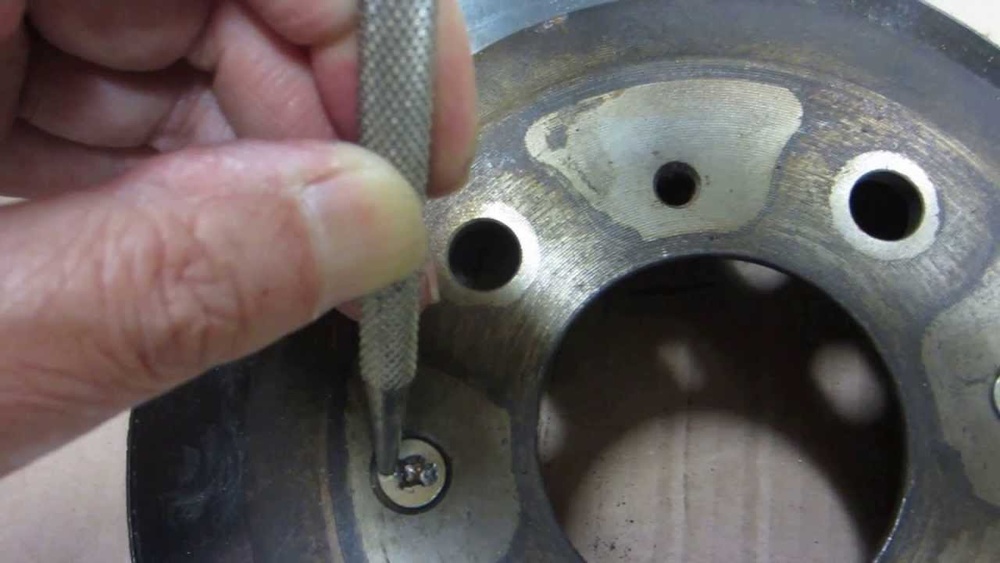
Have you ever wondered how long your brake pads and rotors should last before needing a replacement? Knowing this can save you from unexpected repairs and keep you safe on the road.
Your brakes are one of the most important parts of your vehicle, yet many drivers overlook their condition until a problem arises. You’ll discover the key signs to watch for and how to extend the life of your brake components.
Keep reading to learn exactly when you should replace your brake pads and rotors to avoid costly damage and ensure your car stops smoothly every time.
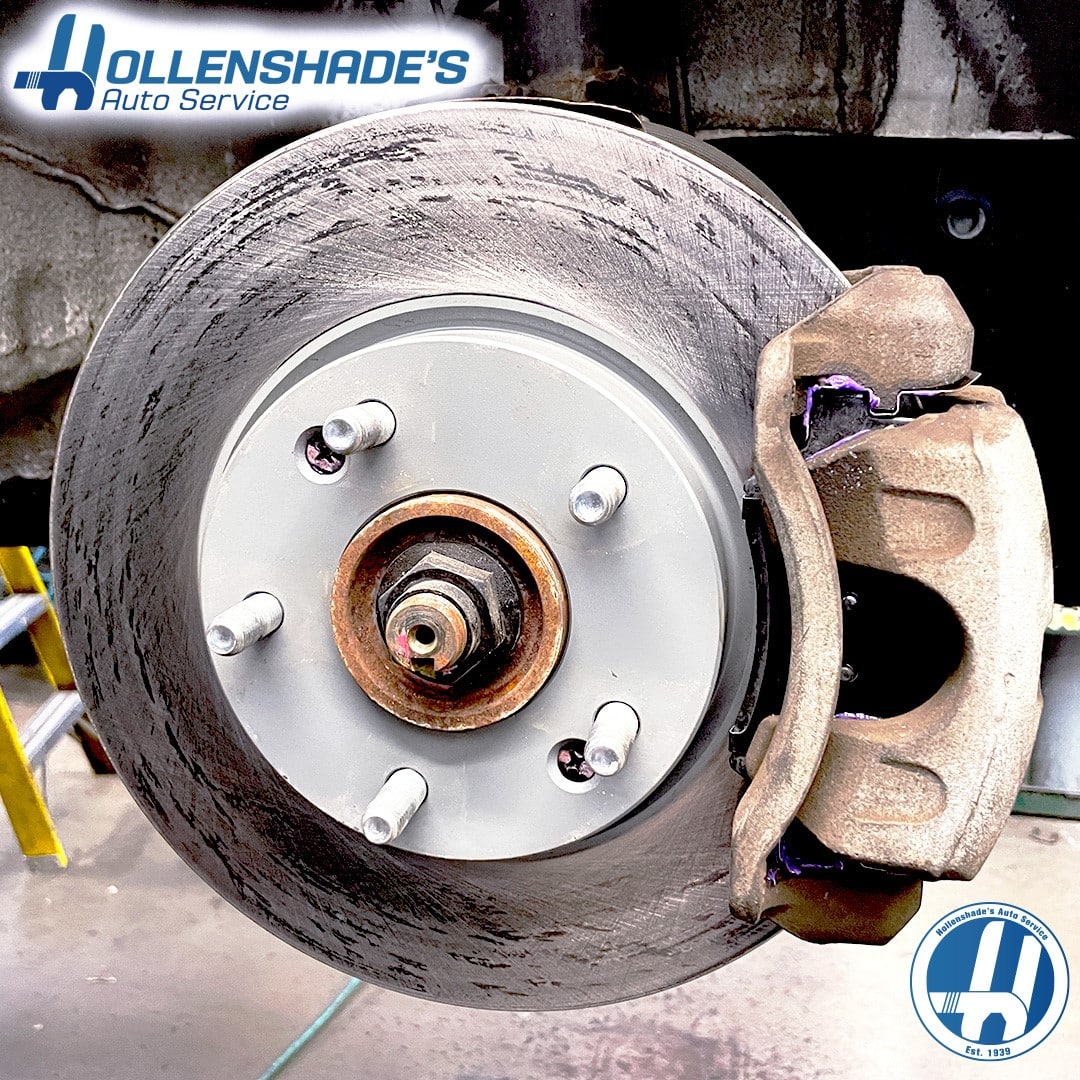
Credit: www.hollenshades.com
Brake Pads Lifespan
Brake pads are a key part of your car’s braking system. They press against the rotors to stop the vehicle. Knowing how long brake pads last helps keep you safe and saves money. Their lifespan depends on many factors.
Factors Affecting Brake Pad Life
Driving style affects brake pad wear. Hard braking wears pads faster. City driving with frequent stops also reduces life. Road conditions matter too. Dusty or hilly areas cause more wear. Quality of brake pads impacts durability. Cheaper pads may wear out quickly. Proper installation and maintenance extend life.
Average Mileage Range
Most brake pads last between 30,000 and 70,000 miles. Some last longer with gentle use. High-performance pads may wear out sooner. Check your vehicle’s manual for guidance. Regular inspections help track pad condition. Replace pads before they become too thin.
Signs Of Worn Brake Pads
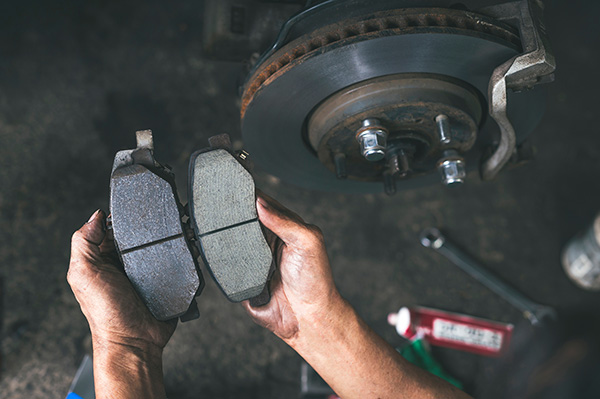
Squeaking or squealing sounds mean pads may be thin. Longer stopping distances signal wear. A grinding noise means pads are very worn. Vibrations during braking also warn of problems. Check brake pads if any of these occur. Early detection prevents rotor damage and costly repairs.
Credit: www.shermanoaksexclusive.com
Rotors Durability
Rotors play a key role in your car’s braking system. Their durability affects how well your vehicle stops. Understanding how long rotors last helps you keep your car safe. Proper maintenance extends their life and saves money on repairs.
Rotors face constant friction and heat. This wears them down over time. Knowing the signs of rotor wear helps prevent bigger problems. Let’s explore typical rotor lifespan, common causes of rotor wear, and signs of rotor damage.
Typical Rotor Lifespan
Most rotors last between 30,000 and 70,000 miles. Some last longer with careful driving. Heavy use or rough conditions can shorten their life. Regular checks help track rotor condition. Replacing rotors on time keeps brakes working well.
Common Causes Of Rotor Wear
Brake pads rubbing causes most rotor wear. Driving in stop-and-go traffic wears rotors faster. Hard braking creates heat and stress on rotors. Dirt, rust, and road salt also damage rotor surfaces. Poor maintenance speeds up rotor wear too.
Indicators Of Rotor Damage
Vibrations or shaking when braking can signal rotor issues. Deep grooves or scoring on rotor surface mean damage. A burning smell during braking shows overheating. Strange noises like squealing or grinding suggest rotor wear. Early detection avoids costly repairs later.
Driving Habits Impact
Driving habits play a big role in how long brake pads and rotors last. Your daily driving style affects wear and tear on these parts. Small changes in how you drive can extend their life. Understanding these impacts helps you save money and stay safe on the road.
Effect Of City Vs Highway Driving
City driving uses brakes more often than highway driving. Frequent stops and starts wear down brake pads quickly. On highways, brakes are used less, so they last longer. Smooth, steady driving reduces pressure on brake parts. The type of driving greatly changes how fast pads and rotors wear out.
Aggressive Braking Consequences
Hard braking heats up brake parts fast. This heat causes rotors to warp and pads to wear unevenly. Aggressive stops shorten the life of both pads and rotors. Gentle braking helps keep these parts in good shape. Avoid sudden stops to protect your brakes.
Maintenance Tips To Extend Life
Check brake pads regularly for wear signs. Replace pads before they are too thin. Keep rotors clean and free from rust. Avoid driving habits that cause excessive braking. Use quality brake parts for better durability. Proper care helps your brakes last longer and work better.
Brake Maintenance Tips
Keeping your brakes in good shape is key for safety and savings. Brake pads and rotors wear out over time. Regular care helps them last longer. Simple steps can prevent costly repairs and accidents.
Follow these brake maintenance tips to keep your vehicle safe and smooth on the road.
Regular Inspections
Check your brakes often for wear and damage. Listen for squeaking or grinding noises. Look for vibrations or pulling when braking. Early detection stops small problems from growing. Inspect brake pads and rotors every 10,000 miles. A quick check saves money and time.
Proper Brake Fluid Care
Brake fluid is vital for brake performance. It transfers force from the pedal to the brakes. Over time, fluid can get dirty or absorb moisture. Replace brake fluid every two years or as advised. Use the correct type of fluid for your vehicle. Clean fluid helps brakes work smoothly and safely.
When To Replace Components
Brake pads usually last 30,000 to 70,000 miles. Rotors can last 50,000 miles or more. Replace pads if thickness is below 3 millimeters. Change rotors if they are warped or deeply scored. Follow your car manual for replacement intervals. Timely replacement prevents brake failure and costly repairs.
Choosing Quality Parts
Choosing quality brake pads and rotors is key to safety and performance. Low-quality parts wear out fast and can cause problems. Good parts last longer and help your car stop better. Understanding different options helps you pick the right parts for your needs.
Quality parts keep you safe on the road and save money in the long run. Let’s explore the choices available and what matters most when buying brake pads and rotors.
Oem Vs Aftermarket Options
OEM parts come from the car maker. They fit perfectly and meet original standards. Aftermarket parts are made by other companies. Some match OEM quality, but others do not. Choose trusted brands for aftermarket parts. OEM parts usually cost more but offer reliable performance. Aftermarket parts offer more choices and prices. Both can work well if picked carefully.
Material Types And Performance
Brake pads and rotors come in different materials. Ceramic pads last longer and are quiet. They produce less dust. Semi-metallic pads are cheaper and cool fast. They wear out faster and can be noisy. Rotors can be solid or vented. Vented rotors help cool better and last longer. Pick materials that suit your driving style and weather.
Cost Vs Longevity
Cheaper parts save money now but may wear fast. High-quality parts cost more but last longer. Spending more upfront can reduce repair costs later. Consider how often you drive and road conditions. Long-lasting parts suit busy drivers or rough roads. Balance cost with how long parts will perform well.
Diy Vs Professional Replacement
Replacing brake pads and rotors can be a task for car owners. Some choose to do it themselves. Others prefer to hire a professional mechanic. Both options have benefits and drawbacks. Understanding these can help decide the best approach for your needs.
Pros And Cons Of Diy
Doing the job yourself saves money on labor costs. You learn more about your car’s parts. You can work on your own schedule. Tools and space are needed. Mistakes can cause unsafe brakes or damage. It takes time and patience to do it right.
When To Seek Professional Help
Choose a mechanic if unsure about the process. Complex brake systems need expert handling. Professionals spot other issues during the job. They have the right tools and experience. Quick and reliable service reduces risks. Warranty may cover parts and work.
Safety Considerations
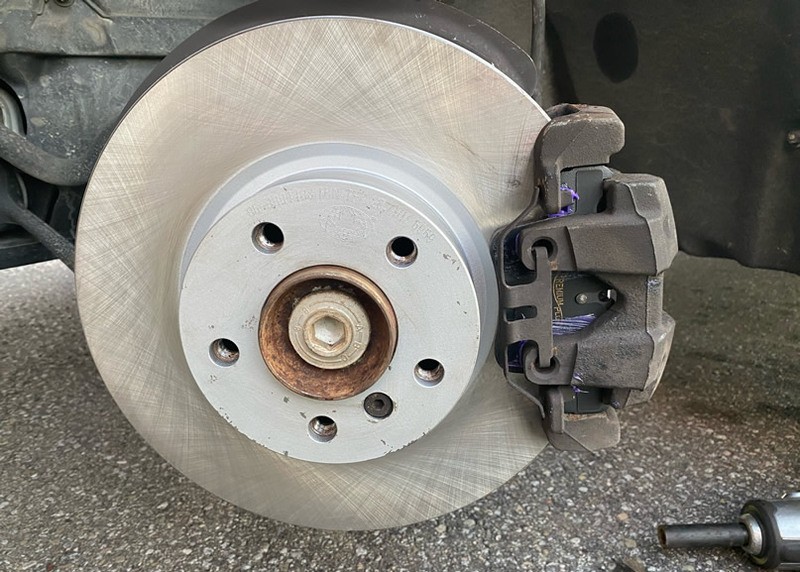
Brakes are vital for safe driving. Poor installation can lead to accidents. Use quality parts for better performance. Follow all safety steps carefully if DIY. Always test brakes after replacement. Professional help ensures brakes work correctly and safely.
Credit: www.allrotors.com
Frequently Asked Questions
How Long Do Brake Pads Usually Last?
Brake pads typically last between 30,000 to 70,000 miles. Lifespan depends on driving habits, vehicle type, and pad material. Regular inspections help spot wear early. Replacing worn pads ensures safe braking performance and prevents rotor damage.
When Should Brake Rotors Be Replaced?
Brake rotors should be replaced every 50,000 to 70,000 miles or if warped, cracked, or excessively worn. Signs include vibration during braking or squealing noises. Timely replacement maintains smooth braking and extends brake system life.
Can Worn Brake Pads Damage Rotors?
Yes, worn brake pads can damage rotors by causing grooves and uneven surfaces. This leads to reduced braking efficiency and costly repairs. Always replace pads before they wear down completely to protect rotors and ensure safe stopping.
What Affects Brake Pads And Rotors Lifespan?
Brake pad and rotor lifespan depends on driving style, road conditions, vehicle weight, and maintenance. Frequent hard braking and stop-and-go traffic reduce their life. Regular inspections and timely replacements optimize performance and safety.
Conclusion
Brake pads and rotors wear out over time and need checking. Typically, pads last between 30,000 to 70,000 miles. Rotors can last longer but may need replacing sooner if damaged. Driving habits and road conditions affect their lifespan. Regular inspections help keep your brakes safe and effective.
Pay attention to noises or vibrations while braking. Timely maintenance prevents bigger, costlier repairs. Stay alert to your car’s performance for safer driving. Keep your brakes in good shape for peace of mind on the road.