

You just got a new car, and it looks amazing. Now, you want to keep that shine for as long as possible.
But here’s the big question: how soon can you wax your new car? You don’t want to damage the paint or waste time with the wrong steps. Getting this right means your car stays glossy and protected, turning heads wherever you go.
Keep reading, and you’ll discover exactly when and how to wax your new ride for the best results.

Credit: www.youtube.com
When To Wax A New Car
Waxing a new car protects its paint and keeps it shiny. But the timing matters. Waxing too soon can harm the paint. Waiting too long can miss the chance to protect it early. Knowing the right moment helps you keep the car looking great for years.
Understanding paint curing and signs of readiness guides the best waxing time.
Factory Paint Cure Time
New cars have factory paint that needs time to cure. This curing process helps the paint harden and settle. Usually, it takes about 30 to 60 days. During this time, the paint is soft and can get damaged easily. Waxing before the paint cures can cause haze or streaks. Wait at least one month after buying the car before waxing.
Signs Paint Is Ready
Look for smooth, hard, and glossy paint as signs it is ready. Run your hand gently over the surface. If it feels rough or sticky, the paint still needs more time. Check for any dull or hazy spots. When the paint shines evenly and feels firm, you can wax safely. These signs show the paint has cured well and can handle waxing.
Choosing The Right Wax
Choosing the right wax for your new car is important for its shine and protection. The right wax keeps your car looking fresh and helps protect the paint from damage. Not all waxes are the same. Knowing the types and ingredients helps you pick the best one for your new car.
Types Of Car Wax
Car wax comes in many forms. Paste wax is thick and lasts long. It gives a deep shine but needs more effort to apply. Liquid wax spreads easily and dries fast. It is good for quick jobs but may not last as long as paste. Spray wax is the easiest to use. It works best for touch-ups and light protection. Some waxes are synthetic, made from man-made materials. They often last longer and protect better. Natural waxes, like carnauba, give a warm, glossy finish. Each type suits different needs and preferences.
Wax Ingredients To Look For
Look for waxes with quality ingredients. Carnauba wax is popular for its shine and durability. It comes from a palm tree and is safe for most paints. Synthetic polymers form a strong protective layer. They help repel water and dirt. Avoid waxes with harsh chemicals that can harm your car’s paint. Some waxes have UV blockers to protect from sun damage. Choose waxes with easy-to-apply formulas for best results. Good ingredients keep your car safe and looking great longer.
Preparing Your Car For Waxing
Preparing your car for waxing is the first step to a shiny and smooth finish. Clean surfaces help wax stick better. Dirt or grime can cause streaks or uneven spots. Proper preparation protects the paint and improves wax performance.
Washing And Drying Tips
Start with a thorough wash using car shampoo. Avoid household soaps that can strip wax. Use a soft sponge or microfiber cloth to clean the surface gently. Rinse well with clean water to remove all soap residue.
Dry the car with a soft towel or microfiber cloth. Avoid air drying to prevent water spots. Pat dry instead of rubbing to protect the paint. Make sure the car is completely dry before waxing.
Removing Contaminants
Check for stubborn dirt like tar, tree sap, or bug remains. Use a clay bar or detailing spray to remove these contaminants. Work in small sections for better results. This step smooths the paint and prepares it for waxing.
Contaminants left on the surface can cause scratches during waxing. Removing them ensures a cleaner, smoother finish. Take your time to do this step carefully for the best shine.
Credit: cleantools.net
Waxing Techniques For New Cars
Waxing a new car protects its paint and keeps it shiny. Using the right waxing techniques helps maintain the car’s fresh look. Careful application and buffing make a big difference.
Learn how to apply wax properly and buff for maximum shine. These steps ensure the wax works well and your car looks great.
Applying Wax Properly
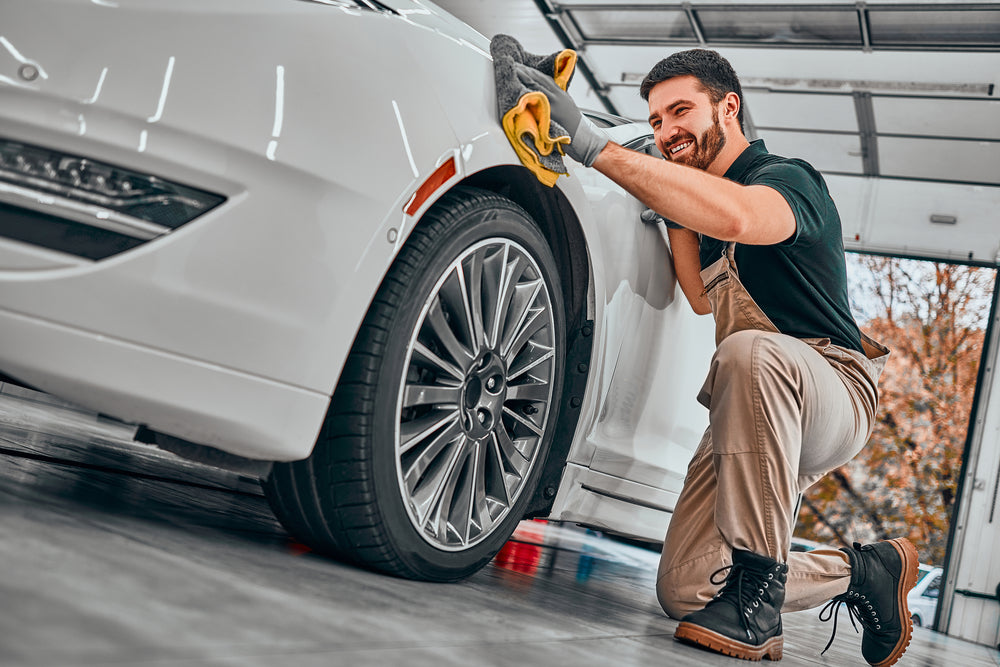
Start with a clean, dry car surface. Use a soft applicator pad to spread wax evenly. Apply thin, even layers in small sections. Work in circular motions to cover all areas. Avoid heavy layers that can be hard to remove. Let the wax dry until it becomes hazy before buffing.
Buffing For Maximum Shine
Use a clean microfiber cloth or buffing pad for best results. Buff gently in circular motions to remove wax residue. Apply light pressure to avoid scratching the paint. Keep buffing until the car shines and all haze disappears. This step enhances the wax’s protective effect and adds gloss.
Common Mistakes To Avoid
Waxing a new car protects its paint and keeps it shiny. Many car owners make common mistakes that harm the paint or reduce wax effectiveness. Avoid these errors to keep your car looking new longer. Below are common mistakes to avoid when waxing a new car.
Waxing Too Soon
Waxing a new car immediately can cause problems. New paint needs time to harden. Wax can trap solvents and moisture under the surface. This may lead to dull spots or damage. Wait at least 30 days before waxing a fresh paint job. Check the car manual or ask the dealer for specific advice.
Using Harsh Products
Harsh cleaning products can damage your car’s paint. Avoid strong chemicals or abrasive cleaners. They can strip wax or scratch the surface. Use gentle car wash soap and soft cloths. Choose waxes made for new or delicate paint. This protects the finish and keeps the shine longer.
Maintaining Your Car’s Shine
Keeping your car shiny is important for its look and value. A clean, glossy surface makes your car stand out. It also protects the paint from damage. Regular care helps maintain that fresh, new car shine for a long time.
Waxing plays a big role in this care. It adds a layer of protection and enhances the color. Knowing how often to wax and why it matters can keep your car looking great year-round.
Regular Waxing Schedule
Wax your car every three to four months. This timing keeps the protective layer strong. It stops dirt and grime from sticking to the paint. Regular waxing also makes washing your car easier. Avoid waxing too soon after washing. Let the car dry completely before applying wax.
Protecting Against Environmental Damage
Sunlight, rain, and dust harm your car’s paint. Wax acts as a shield against these elements. It stops UV rays from fading the color. Wax also prevents water spots from rain or dew. Dust and dirt wash off more easily with a wax layer. This protection keeps your car’s shine bright and fresh.
Credit: onyxcoating.com
Frequently Asked Questions
How Long After Buying Can I Wax My New Car?
Wait at least 30 days before waxing a new car. This allows the factory paint to fully cure. Waxing too soon may cause uneven results or damage the paint surface.
Why Wait Before Waxing A New Car?
New car paint has a protective layer that needs time to harden. Waiting ensures the wax bonds properly. It prevents streaks and improves shine and paint protection.
Can I Wash My New Car Before Waxing?
Yes, wash your new car thoroughly before waxing. Use a gentle car shampoo and soft mitt. Clean paint ensures better wax adhesion and a smooth finish.
What Type Of Wax Is Best For New Cars?
Use a high-quality carnauba or synthetic wax. These provide excellent shine and protection. Choose a product designed for new or delicate paint to avoid damage.
Conclusion
Waxing a new car protects its paint and keeps it shiny. Wait at least 30 days before applying wax to new paint. This lets the paint cure fully and avoid damage. Use a gentle wax made for new cars for best results.
Regular waxing helps your car look fresh and clean longer. Taking care of your car’s finish is simple with good timing. Keep your car shining bright by waxing at the right time. Easy steps make your car look great and last longer.


