

Have you ever wondered how many times you can turn your brake rotors before they need to be replaced? If you’re trying to save money on car repairs or want to keep your vehicle running smoothly, this is an important question.
Knowing the right answer can help you avoid costly mistakes and keep your brakes working safely. You’ll discover the key factors that affect rotor turning and learn how to make the best decision for your car’s health. Keep reading—you don’t want to miss the tips that can save you both time and money.

Credit: www.buybrakes.com
Brake Rotor Basics
Understanding brake rotors helps you care for your vehicle better. Rotors are key parts of your car’s brake system. They work hard every time you slow down or stop. Knowing their basics helps you decide when to replace or turn them. This knowledge can save money and improve safety.
What Are Brake Rotors
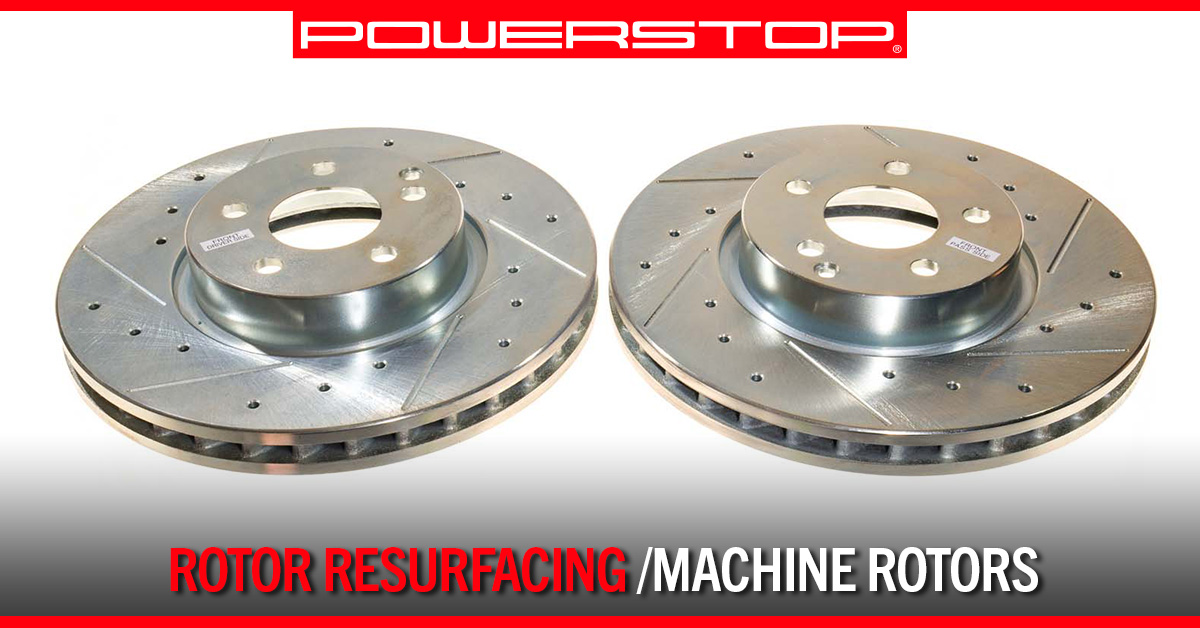
Brake rotors are round metal discs attached to each wheel. When you press the brake pedal, brake pads squeeze the rotors. This action slows down the wheels. Rotors must be strong and smooth to work well. Over time, rotors can wear out or get damaged.
Role In Vehicle Safety
Rotors play a big role in stopping your car safely. Good rotors help brakes respond quickly. Damaged or worn rotors reduce braking power. This can increase stopping distance and cause accidents. Keeping rotors in good shape protects you and others on the road.
Credit: www.powerstop.com
Reasons To Turn Rotors
Turning brake rotors extends their life and improves braking. It removes small grooves and uneven surfaces. This process ensures smooth contact between the brake pads and rotors. Regular rotor turning helps maintain safe and effective braking performance.
Common Rotor Issues
Rotors can develop grooves from brake pad wear. Heat can cause warping, leading to vibration. Rust may form on the rotor surface. These issues reduce braking power and cause noise. Turning rotors fixes minor surface damage and warping. It smooths the rotor to restore proper function.
Benefits Of Turning Rotors
Turning rotors saves money by avoiding full replacement. It improves brake pad contact for better stopping. This process reduces brake noise and vibration. Turning helps maintain consistent braking performance. It also extends the life of brake pads. Regular turning keeps your brakes safe and reliable.
Limits On Turning Rotors
Turning brake rotors can extend their life, but only to a certain point. Each time rotors are turned, a small amount of metal is removed. This changes the thickness of the rotor. Keeping the rotor thick enough is important for safe braking.
Too thin rotors can cause poor brake performance and damage. Knowing the limits on turning rotors helps keep your brakes working well. Below are key points about rotor thickness and manufacturer rules.
Minimum Thickness Guidelines
Every rotor has a minimum thickness limit. This is the thinnest it can be to work safely. Turning rotors removes metal, making them thinner. Once a rotor reaches this limit, it must be replaced.
Using rotors thinner than the minimum can lead to overheating and warping. Brake pads may wear unevenly, causing vibration. Mechanics measure rotor thickness with a micrometer before turning.
Always check the thickness after turning. If it is below the limit, the rotor should not be used anymore.
Manufacturer Recommendations
Car makers set specific rules for rotor turning. These rules vary by vehicle brand and model. Some manufacturers allow rotors to be turned only once or twice. Others may recommend replacing rotors instead of turning.
Following these recommendations helps keep the braking system safe. Ignoring them can void warranties or cause brake failure. Always find the manufacturer’s guidelines in the vehicle manual or service documents.
Professional mechanics follow these rules to ensure safe repairs. Checking the manual saves time and prevents costly mistakes.
Signs You Need To Turn Rotors
Knowing when to turn your brake rotors helps keep your car safe. Rotors wear down over time. This affects braking performance and can cause damage. Watch for clear signs that rotors need attention. Timely rotor turning saves money and avoids bigger repairs.
Visible Wear Patterns
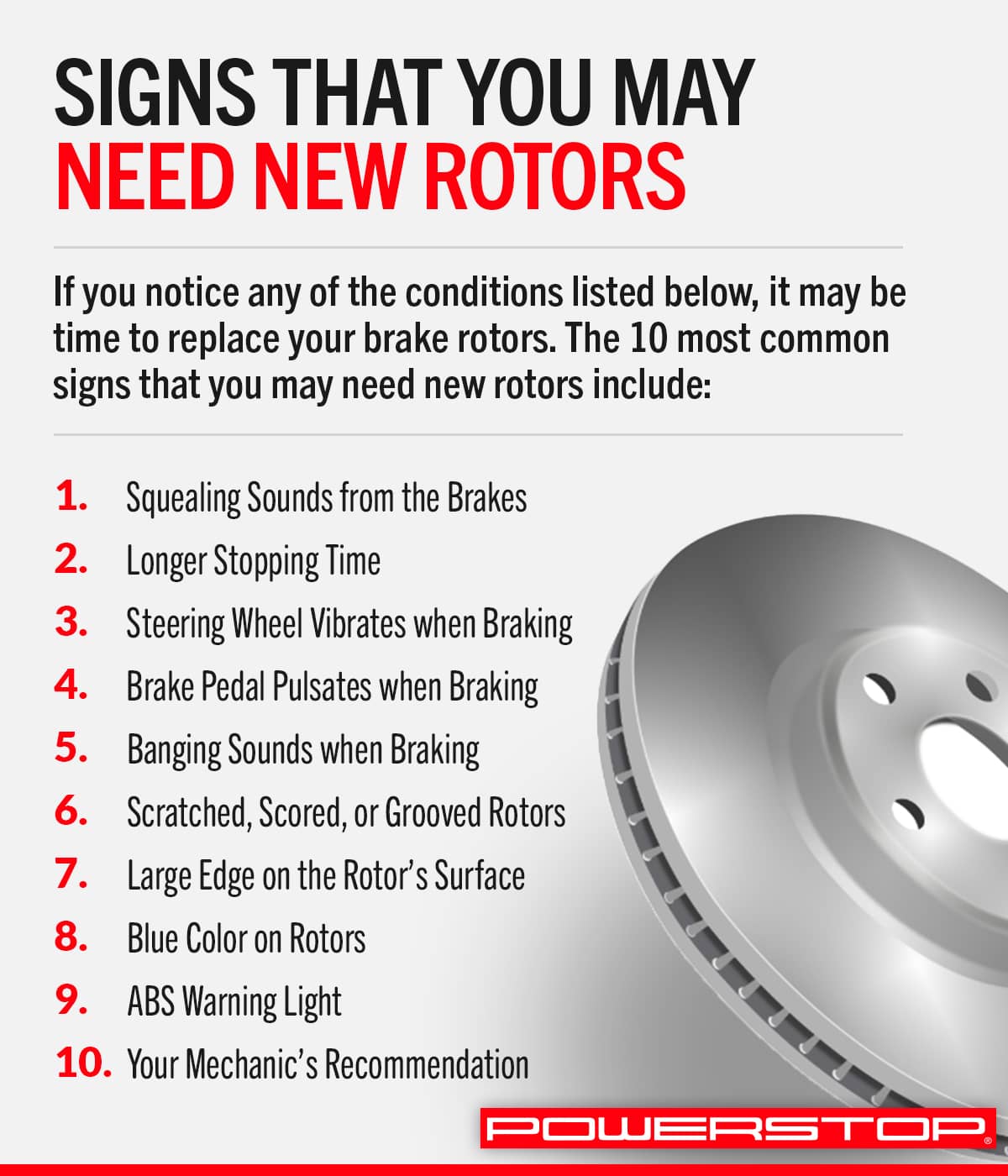
Look closely at the rotor surface. Grooves, scoring, or uneven spots show wear. Thin or rusty rotors also need turning or replacement. These patterns affect how brake pads contact the rotor. Uneven rotors cause vibrations and noise when braking.
Brake Performance Changes
Notice changes in braking feel. Pulsing or shaking in the brake pedal signals rotor issues. Longer stopping distances or noisy brakes also warn of rotor wear. Smooth and firm brakes mean rotors are healthy. Sudden changes mean it’s time to check the rotors.
Turning Rotors Vs. Replacement
Choosing between turning brake rotors and replacing them depends on several factors. Turning rotors means machining the surface to remove wear and grooves. It can extend the life of your rotors if they are still thick enough. Replacement means installing new rotors, which can be more costly but often lasts longer.
Cost Comparison
Turning rotors usually costs less than full replacement. The machining process takes less time and uses fewer materials. This option saves money when the rotors are still in good shape. Replacement parts and labor can be expensive. New rotors come with fresh surfaces and better performance.
When Replacement Is Better
Replace rotors if they are too thin or warped. Turning thin rotors can make them unsafe. Deep grooves or cracks also mean replacement is necessary. New rotors improve braking power and safety. Always check rotor thickness before deciding to turn them.
How Many Times Can Rotors Be Turned
Brake rotors are a key part of your vehicle’s braking system. Over time, they wear down and may need resurfacing. Turning rotors means removing a thin layer of metal to smooth out damage. This process helps extend rotor life. Many ask how many times rotors can be turned before replacement is necessary.
The answer depends on several factors. Each rotor has a minimum thickness limit. Once that limit is reached, turning is unsafe. Knowing typical turn limits and influencing factors helps maintain safe brakes.
Typical Turn Limits
Most brake rotors can be turned 1 to 2 times. Each time, a small amount of metal is removed. Usually, about 0.025 to 0.030 inches can be taken off safely. After two turns, rotors may become too thin. Thin rotors can warp or crack under heat. Manufacturers set minimum thickness for safety. Exceeding this limit means rotor replacement is needed.
Factors Affecting Turn Frequency
Rotor material affects how often it can be turned. High-quality rotors may allow more turns. Driving style plays a role too. Hard braking causes faster rotor wear. Rotor size also matters. Larger rotors generally have more metal to remove. The presence of grooves or warping affects turning. Deep grooves might limit how many times rotors can be resurfaced. Regular brake maintenance helps identify rotor condition early.
Proper Rotor Turning Process
Turning brake rotors is a precise task. It helps fix uneven wear and extends rotor life. Doing it right keeps your braking smooth and safe. Follow the proper process for best results.
Tools Required
- Brake lathe machine
- Jack and jack stands
- Lug wrench
- Socket set
- Torque wrench
- Brake cleaner
- Safety glasses and gloves
Step-by-step Procedure
- Lift the vehicle and secure it on jack stands.
- Remove the wheel using the lug wrench.
- Take off the brake caliper carefully.
- Remove the brake rotor from the hub.
- Clean the rotor with brake cleaner to remove dust.
- Mount the rotor on the brake lathe machine.
- Set the lathe to cut a thin layer off the rotor surface.
- Turn the rotor evenly until the surface is smooth.
- Check rotor thickness meets the manufacturer’s minimum limit.
- Reinstall the rotor, caliper, and wheel in reverse order.
- Tighten all bolts to the recommended torque specifications.
- Lower the vehicle and test the brakes carefully.
Risks Of Excessive Turning
Turning brake rotors means machining the surface to remove wear or damage. This process can extend rotor life but has limits. Excessive turning thins the rotor too much. This causes problems that affect how your brakes work and your safety on the road.
Compromised Brake Performance
Thin rotors cannot absorb heat well. Excess heat causes brake fade, lowering stopping power. Warped rotors may result from uneven thinning. This leads to vibrations and noise during braking. Brake pads wear faster on thin rotors. Overall braking becomes less smooth and reliable.
Safety Hazards
Overly thin rotors risk cracking under pressure. Cracked rotors can break while driving. This sudden failure causes loss of brake control. Thin rotors also increase the chance of brake fluid leaks. These leaks reduce hydraulic pressure in brake lines. The result is longer stopping distances and higher crash risk.
Maintaining Brake Rotors
Maintaining brake rotors is important for safe driving and longer rotor life. Rotors wear down over time. Proper care helps avoid costly repairs and unsafe brakes.
Regular checks and simple habits keep rotors in good shape. They improve brake performance and prevent damage.
Regular Inspections
Check brake rotors every 10,000 to 15,000 miles. Look for cracks, grooves, or rust. Listen for unusual noises when braking. Vibrations or squealing can signal rotor problems. Use a micrometer to measure rotor thickness. Compare it with the manufacturer’s minimum thickness. Replace rotors if they are too thin or damaged.
Preventive Tips
Drive gently to avoid rotor wear. Avoid hard braking unless necessary. Keep brake pads in good condition to protect rotors. Replace pads before they wear out completely. Clean rotors regularly to remove dust and debris. Use quality brake fluid and change it on schedule. These steps reduce rotor damage and extend their life.
Credit: www.powerstop.com
Frequently Asked Questions
How Many Times Can Brake Rotors Be Resurfaced?
Brake rotors can typically be resurfaced 1 to 2 times. Resurfacing removes a thin layer to fix surface issues. Always check rotor thickness to ensure safety after each turn. Excessive resurfacing weakens the rotor, affecting braking performance.
When Should You Stop Turning Brake Rotors?
Stop turning brake rotors when they reach minimum thickness. This limit is usually stamped on the rotor edge. Turning beyond this reduces rotor strength and safety. Always measure thickness after resurfacing to maintain optimal brake function.
Does Resurfacing Brake Rotors Affect Braking Performance?
Resurfacing can improve braking by removing grooves and warps. However, excessive turning thins rotors, causing heat buildup and brake fade. Proper resurfacing restores smooth contact between pads and rotors, enhancing safety and ride quality.
Can All Brake Rotors Be Turned Or Resurfaced?
Not all rotors are suitable for resurfacing. Some rotors are too thin or made from materials that don’t handle turning well. Always consult your vehicle’s manual or a professional mechanic to determine if resurfacing is possible or replacement is needed.
Conclusion
Brake rotors can only be turned a few times before they wear out. Each time they are turned, some metal is removed. Too many turnings make rotors too thin and unsafe. Always check rotor thickness and follow manufacturer rules. If rotors are too thin, it’s better to replace them.
Proper rotor care helps keep brakes working well and safe. Keep an eye on your brake parts to avoid problems. Regular checks save money and keep driving smooth.


