
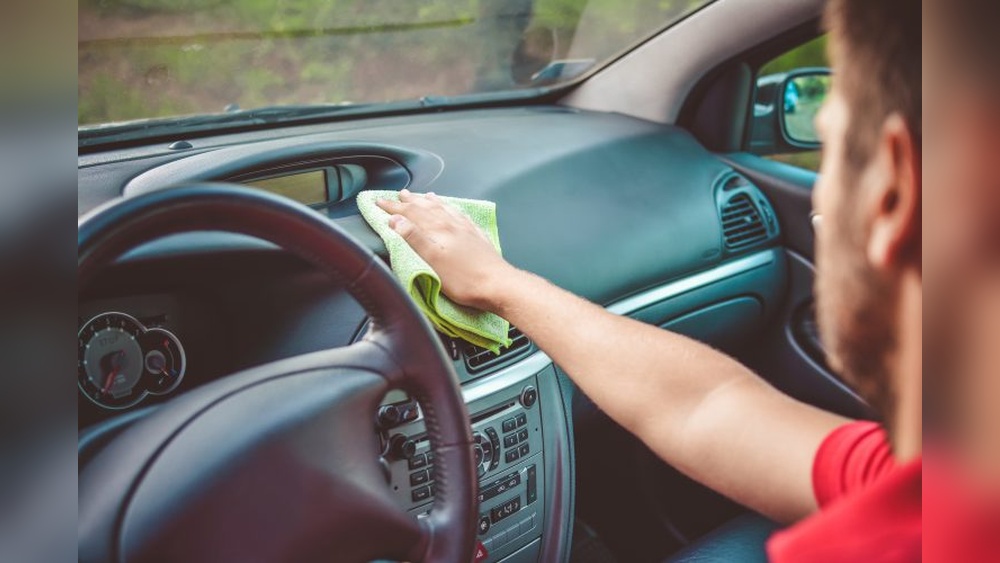
Have you ever wondered how safe your car really is from germs, especially after the pandemic? You might touch your steering wheel dozens of times a day without thinking twice.
But what if Covid-19 could live there longer than you expect? Knowing how long the virus stays on your steering wheel can help you protect yourself and your loved ones. You’ll discover simple facts and easy steps to keep your car safe.
Keep reading to find out what you need to know to stay healthy every time you drive.

Credit: www.walmart.com
Virus Survival On Surfaces
Viruses like Covid-19 can stay on surfaces for some time. Understanding how long the virus lives on objects helps reduce infection risks. Steering wheels are touched often and can carry germs. Knowing the virus survival time on these surfaces is very important.
Scientists study how long the virus remains active on different materials. This helps us know how careful we need to be with cleaning. Several factors affect how long the virus can stay alive on a surface.
Factors Affecting Virus Lifespan
The virus lifespan changes based on temperature and humidity. Warmer and drier conditions usually shorten the virus survival time. Cold and moist places can help the virus live longer. The amount of virus dropped on the surface also matters. More virus particles mean a higher chance of infection. Cleaning products and sunlight can kill the virus quickly.
Surface Material Impact
Different materials affect how long the virus stays active. Hard, smooth surfaces like plastic or metal allow the virus to live longer. Steering wheels often have plastic or leather covers. On plastic, the virus can survive for up to 3 days. Leather is less friendly to the virus, so it lives shorter. Fabric or porous materials reduce the virus lifespan more. Regular cleaning of steering wheels is important to lower risks.
Covid On Steering Wheels
Steering wheels can hold the Covid virus for some time. Drivers often touch the wheel without cleaning hands first. This can spread germs easily inside cars. Understanding how long Covid lasts on steering wheels helps keep you safe.
Typical Survival Duration
Covid virus can survive on steering wheels for hours. Studies show it lasts from 4 to 24 hours. The exact time changes based on many factors. Temperature and humidity play a big role. Warmer and wetter places reduce virus life. Cooler and dry areas help it stay longer.
Material And Texture Influence
Steering wheels have different materials like leather, plastic, and rubber. Covid lasts shorter on soft, porous surfaces like leather. It stays longer on hard, smooth surfaces like plastic. Rough textures can trap the virus in tiny crevices. This makes cleaning more important. Regular disinfection removes the virus effectively.
Temperature And Humidity Effects
Temperature and humidity play a big role in how long Covid lives on a steering wheel. The virus acts differently depending on these conditions. Understanding their effects helps keep your car safer.
Heat Impact
Heat reduces the virus’s survival time. High temperatures can break down the virus faster. On a warm day, Covid may live only a few hours on a steering wheel. Cooler temperatures allow the virus to stay longer. This means hot weather lowers the risk of infection from touching the wheel.
Moisture Levels
Humidity also affects the virus’s life span. Dry air helps the virus survive longer on surfaces. Moist or wet conditions cause the virus to die quicker. Steering wheels in humid places are less likely to hold active virus particles. Keeping your car ventilated can reduce the virus’s survival time on surfaces.
Credit: www.alamy.com
Cleaning And Disinfection
Cleaning and disinfection are key to stopping the spread of Covid on steering wheels. The virus can live for hours or days on surfaces. Proper cleaning removes dirt and germs. Disinfection kills the virus and makes the surface safe to touch.
Effective Cleaning Agents
Use soap and water for basic cleaning. Soap breaks down the virus’s outer layer. Alcohol-based wipes with at least 70% alcohol work well. Disinfectants with bleach or hydrogen peroxide also kill the virus quickly. Avoid harsh chemicals that can damage the steering wheel.
Best Cleaning Practices
Wear gloves to protect your hands. Wipe the entire steering wheel surface. Clean all areas, including the sides and behind the wheel. Let disinfectants sit for the time stated on the label. Use a clean cloth each time to avoid spreading germs. Clean the steering wheel regularly, especially after driving with others.
Preventive Measures For Drivers
Drivers face unique risks of catching germs from steering wheels. Covid can live on surfaces for hours. Taking steps to keep your steering wheel clean lowers the chance of infection. Simple habits can protect you and others riding with you.
Hand Hygiene Tips
Wash your hands often with soap and water. Clean hands stop germs from spreading to your face. Use hand sanitizer if you cannot wash your hands. Carry a small bottle in your car for quick use. Avoid touching your face while driving to reduce risk.
Using Protective Covers
Cover your steering wheel with a washable cover. It helps block germs from reaching the wheel’s surface. Choose covers made from easy-to-clean materials. Remove and wash covers regularly to keep them safe. This creates a cleaner driving space for you and passengers.

Credit: www.theverge.com
Myths And Facts
Many people worry about how long Covid can live on surfaces like steering wheels. There are many ideas floating around. Some are true, and some are not. Knowing the facts helps you stay safe and calm. Let’s clear up some myths and learn what science says.
Common Misconceptions
Some think Covid can live on a steering wheel for days. Others say it dies immediately. Both ideas are wrong. Covid does not stay alive forever outside the body. It depends on many things like temperature and material. Plastic and leather, common in steering wheels, affect how long the virus lasts. People often believe touching a steering wheel always spreads the virus. But the risk is lower than many think. Washing hands is still very important.
Scientific Findings
Studies show Covid can live on plastic for up to three days. Steering wheels often have plastic or leather covers. The virus’s strength reduces over time. Heat and sunlight help kill it faster. Scientists say the virus loses most of its strength within hours on such surfaces. Cleaning the steering wheel with disinfectants removes the virus quickly. Regular handwashing after driving stops most chances of infection. Science tells us that while the virus can survive briefly, proper care cuts risks a lot.
Frequently Asked Questions
How Long Does Covid Survive On A Steering Wheel?
Covid can live on a steering wheel for up to 72 hours. The virus’s lifespan depends on surface type and environmental conditions. Regular cleaning reduces its presence and lowers infection risk.
Does Temperature Affect Covid’s Lifespan On Steering Wheels?
Yes, higher temperatures shorten Covid’s survival on steering wheels. Warmer conditions degrade the virus faster, reducing transmission chances. Cold and humid environments help the virus persist longer.
How Often Should I Disinfect My Car’s Steering Wheel?
Disinfect your steering wheel daily if frequently used by different people. Use EPA-approved disinfectants or alcohol wipes for effective virus removal. Regular cleaning helps prevent Covid spread inside your vehicle.
Can Covid Transfer From Steering Wheels To Hands Easily?
Yes, touching a contaminated steering wheel can transfer Covid to hands. Hands then risk infecting the face or other surfaces. Hand hygiene after contact is essential to stop virus spread.
Conclusion
Covid can stay on a steering wheel for hours to days. Clean your hands and steering wheel often. Use disinfectant wipes to reduce risk. Avoid touching your face while driving. Small actions help keep you safer. Stay aware and protect yourself daily.
Simple steps make a big difference. Your health matters most every time you drive.


