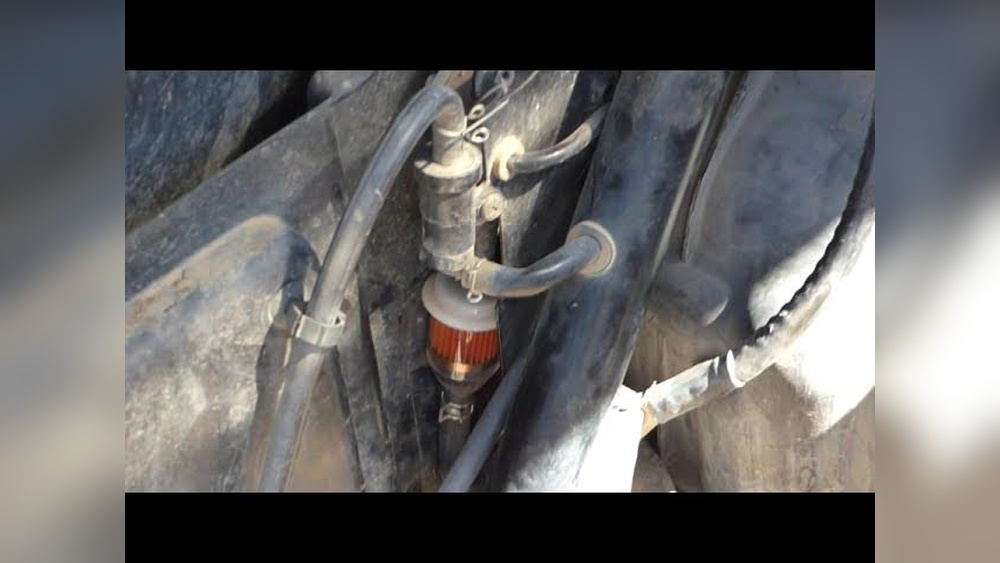
Have you noticed your car acting up lately? It might be more than just a rough day on the road.
Your fuel filter plays a crucial role in keeping your engine running smoothly by trapping dirt and debris from your fuel. But how can you tell if this small part is causing big problems? If your vehicle is sluggish, stalling, or struggling to start, your fuel filter could be the culprit.
Keep reading to discover the clear signs of a bad fuel filter and learn how to fix the issue before it costs you more. Don’t let a simple filter turn into a costly repair—your car deserves better.
Symptoms Of A Bad Fuel Filter
Recognizing the symptoms of a bad fuel filter helps keep your car running smoothly. The fuel filter cleans dirt and rust from the fuel. Over time, it can get clogged and stop fuel from reaching the engine properly. This causes several problems that affect your car’s performance. Watch for these common signs to know if your fuel filter needs replacement.
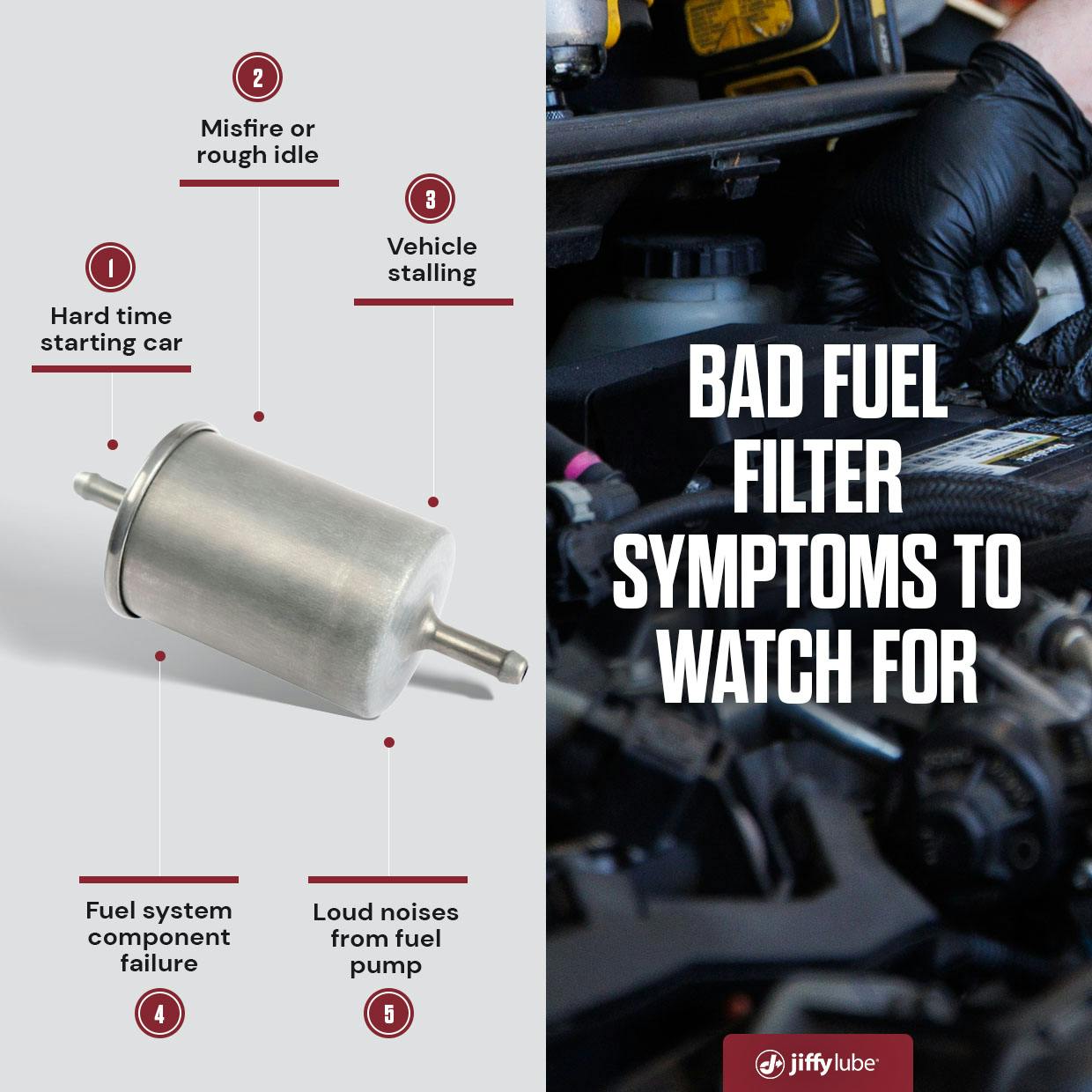
Engine Misfires And Hesitation
A clogged fuel filter can cause the engine to misfire. This happens because the engine is not getting enough fuel. You may notice hesitation when you press the gas pedal. The engine might jerk or run unevenly. These issues happen more during acceleration or under load.
Reduced Fuel Efficiency
A bad fuel filter lowers fuel efficiency. The engine works harder to get fuel through the clogged filter. This causes more fuel to be used than usual. You may see your gas mileage drop without other reasons. It costs more to drive when the filter is bad.
Difficulty Starting The Engine
Starting the car becomes harder with a bad fuel filter. The engine may crank longer before it starts. It might fail to start sometimes. This happens because fuel flow is limited. The fuel pump struggles to push fuel through the dirty filter.
Stalling During Acceleration
Your car might stall or stop suddenly while accelerating. This happens when the engine does not get enough fuel fast enough. The bad fuel filter blocks the fuel flow. Stalling can be dangerous, especially in traffic or on hills.

Credit: www.youtube.com
Visual And Physical Signs
Recognizing visual and physical signs of a bad fuel filter helps prevent engine problems. These signs are often clear and can be checked during routine vehicle maintenance. Spotting issues early saves time and money.
Dirty Or Clogged Filter Appearance
A fuel filter looks dirty when it traps dirt and debris. The filter material may appear dark or black instead of clean. Dirt buildup restricts fuel flow and reduces engine performance. Inspect the filter for visible particles or clogging. A clogged filter often looks thick with grime.
Fuel Odor Near The Filter
A strong fuel smell near the filter signals a problem. This odor means fuel may be leaking or trapped around the filter. The smell can be sharp and easy to notice. Fuel leaks around the filter are dangerous and need quick attention. Smelling fuel is a clear warning to check the filter area.
Leaking Fuel Filter
Leaks around the fuel filter show damaged seals or cracks. You may see wet spots or fuel drops on or under the filter. A leaking filter wastes fuel and risks engine failure. Check for dampness or stains on the filter housing. Leaks require immediate repair or filter replacement.
Diagnostic Methods
Knowing how to diagnose a bad fuel filter helps keep your car running smoothly. Fuel filters block dirt and rust from reaching the engine. Over time, they can get clogged and cause problems. You can use several methods to check if the fuel filter needs replacing. These methods help spot issues early and avoid bigger repairs.
Checking Fuel Pressure
Fuel pressure shows how well fuel moves through the filter. Low pressure means the filter might be clogged. Use a fuel pressure gauge for this test. Attach it to the fuel rail and start the engine. Read the pressure on the gauge. Compare it to your car’s manual numbers. A low reading signals a bad fuel filter.
Using A Fuel Filter Test Kit
A fuel filter test kit makes checking easy. It usually has a clear container and connectors. Remove the old filter and connect the kit in its place. Watch the fuel flow inside the container. Slow or no flow means the filter is dirty. Replace the filter if the flow is weak or blocked.
Listening For Unusual Engine Noises
Strange engine sounds can hint at fuel filter problems. Listen for sputtering or coughing noises while driving. These sounds happen when fuel cannot reach the engine smoothly. The filter may be stopping the fuel flow. Pay attention to engine hesitation or rough idling too. These signs point to a clogged fuel filter.
Credit: www.jiffylube.com
Effects Of Ignoring A Bad Fuel Filter
Ignoring a bad fuel filter can cause serious problems for your vehicle. The fuel filter stops dirt and rust from reaching the engine. When it gets clogged, the engine struggles to get clean fuel. This leads to many issues that affect your car’s performance and safety.
Engine Damage Risks
A clogged fuel filter can starve the engine of fuel. This causes the engine to misfire or stall. Over time, lack of clean fuel causes wear inside the engine. Parts like fuel injectors and pumps can get damaged. Engine repair or replacement can become necessary.
Increased Emissions
Dirty fuel filters cause poor fuel burning. This leads to higher exhaust emissions. Your car releases more harmful gases into the air. Increased emissions can cause your vehicle to fail emissions tests. It also harms the environment and air quality.
Costly Repairs
Delaying fuel filter replacement leads to bigger problems. A bad filter can damage the fuel pump and injectors. Repairing these parts costs much more than changing the filter. Early replacement saves money and avoids breakdowns on the road.
Maintenance Tips
Keeping your fuel filter in good condition helps your engine run smoothly. Regular maintenance stops dirt and debris from clogging the fuel system. Follow these tips to know when and how to maintain your fuel filter.
Recommended Replacement Intervals
Check your vehicle’s manual for specific replacement times. Most filters need changing every 20,000 to 40,000 miles. Replace it sooner if you use low-quality fuel or drive in dusty areas. Regular changes avoid fuel flow problems and engine damage.
Choosing The Right Fuel Filter
Pick a fuel filter that fits your car model exactly. Use filters made by trusted brands or approved by your car maker. A good filter traps dirt but lets fuel pass easily. Avoid cheap filters that may clog or break quickly.
Professional Vs. Diy Replacement
Changing a fuel filter yourself can save money. You need basic tools and some knowledge of your car’s fuel system. Be careful to avoid fuel spills and pressure risks. Professionals have the right tools and experience. They finish the job faster and safer.

Credit: www.youtube.com
Frequently Asked Questions
How Do I Know If My Fuel Filter Is Bad?
A bad fuel filter often causes engine misfires, poor acceleration, and difficulty starting. Check for these symptoms to diagnose.
What Are Common Signs Of A Clogged Fuel Filter?
Common signs include engine hesitation, reduced power, stalling, and unusual noises. These indicate restricted fuel flow due to clogging.
How Often Should A Fuel Filter Be Replaced?
Generally, replace your fuel filter every 20,000 to 40,000 miles. Follow your vehicle manufacturer’s recommendations for best results.
Can A Bad Fuel Filter Cause Engine Problems?
Yes, a bad fuel filter limits fuel flow, causing engine misfires, hesitation, and poor performance. Timely replacement prevents damage.
Conclusion
A bad fuel filter can cause many car problems. Watch for signs like engine trouble and poor fuel flow. Regular checks help keep your car running well. Replacing the filter on time saves you money. Don’t ignore warning signs or strange noises.
Clean fuel means better engine performance and longer life. Stay alert and act fast to avoid bigger issues. Taking care of your fuel filter protects your car’s health. Simple steps can prevent costly repairs later. Keep your vehicle smooth and reliable every day.