

Have you ever wondered how long your fuel filter actually lasts? If you want your vehicle to run smoothly and avoid costly repairs, knowing when to replace your fuel filter is key.
Ignoring this small but important part can lead to poor engine performance or even breakdowns. You’ll discover exactly how long a fuel filter lasts, signs it needs changing, and simple tips to keep your engine healthy. Keep reading to protect your ride and save money down the road.
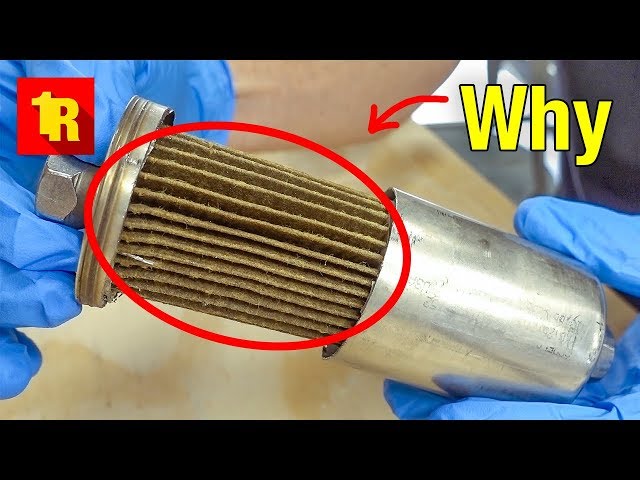
Credit: www.youtube.com
Fuel Filter Basics
The fuel filter is a small but important part of your vehicle. It cleans the fuel before it reaches the engine. This helps the engine run smoothly and last longer.
Without a good fuel filter, dirt and debris can clog the engine. This causes poor performance and can damage the engine parts. Knowing the basics about fuel filters helps you keep your car healthy.
Role In Engine Performance
The fuel filter stops dirt and rust from entering the engine. Clean fuel improves combustion and power. A dirty filter reduces fuel flow, causing engine trouble.
Good fuel flow means better fuel efficiency. It also lowers harmful emissions. The filter protects fuel injectors and spark plugs from damage. This keeps the engine running with fewer problems.
Types Of Fuel Filters
Fuel filters come in several types. The most common are cartridge, spin-on, and inline filters.
Cartridge filters fit inside a housing and are easy to replace. Spin-on filters look like oil filters and screw on the engine. Inline filters sit on the fuel line outside the engine.
Each type works to clean the fuel but fits different cars and engines. Choosing the right filter keeps your vehicle running well.
Average Lifespan
The average lifespan of a fuel filter varies depending on the vehicle and driving habits. This part plays a key role in protecting the engine. It keeps dirt and debris out of the fuel system. Knowing how long a fuel filter lasts helps keep the car running smoothly. It also prevents costly repairs.
Typical Mileage Range
Most fuel filters last between 20,000 and 40,000 miles. Some filters in newer cars can last up to 60,000 miles. This range depends on the vehicle type and filter quality. Regular maintenance can help reach the higher end of this range. Changing the fuel filter on time improves engine performance.
Factors Affecting Longevity
Fuel quality affects how long a filter lasts. Dirty or low-quality fuel clogs the filter faster. Driving conditions also matter. Stop-and-go traffic or dusty roads increase wear. The vehicle’s engine design influences filter lifespan too. Proper maintenance and timely replacement keep the filter working well.
Signs Of A Failing Fuel Filter
Knowing the signs of a failing fuel filter helps keep your car running well. The fuel filter stops dirt and rust from reaching the engine. Over time, it can get clogged and stop working properly. This affects how your car drives and uses fuel.
Engine Performance Issues
A clogged fuel filter can cause engine problems. The engine may run rough or hesitate when you press the gas. You might hear sputtering or feel the car jerking. These happen because the engine does not get enough fuel.
Fuel Efficiency Drops
Your car may use more fuel than usual. A bad fuel filter makes the engine work harder. This lowers fuel efficiency and raises fuel costs. You may notice you need to fill up the tank more often.
Starting Problems
The car may take longer to start or not start at all. A blocked fuel filter stops fuel from reaching the engine. This causes starting issues, especially after the car has been sitting. You might have to try several times to get it running.
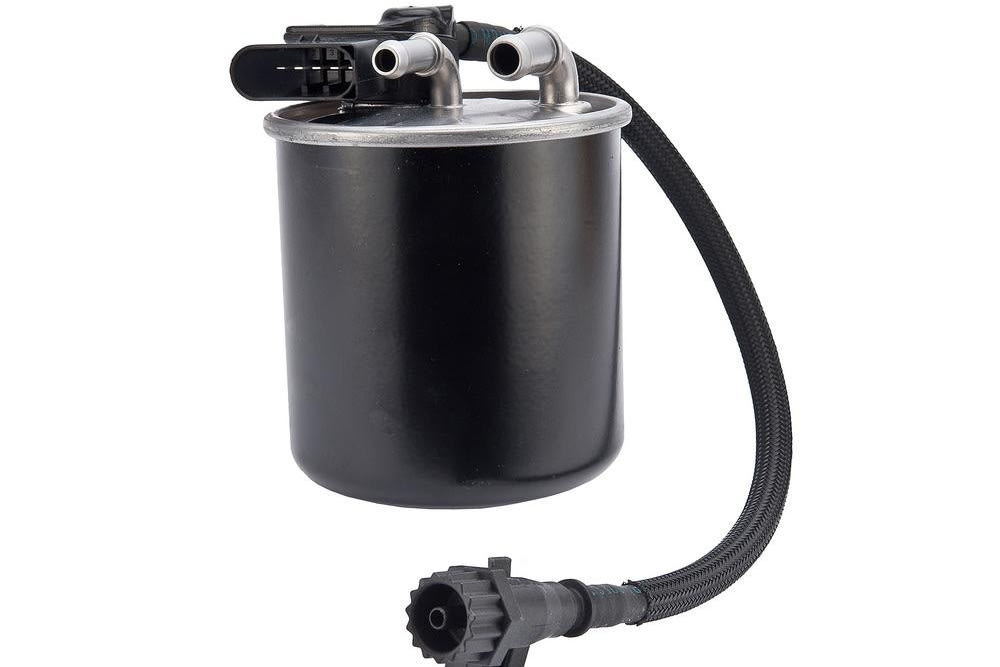
Credit: www.yourmechanic.com
Maintenance Tips
Proper maintenance keeps your fuel filter working well. It helps the engine run smoothly and prevents damage. Follow simple steps to extend your fuel filter’s life and avoid costly repairs.
Regular Inspection
Check the fuel filter regularly for dirt or damage. A quick look can show if it needs cleaning or replacement. Watch for signs like poor engine performance or strange noises. Early detection saves time and money.
Replacement Intervals
Replace the fuel filter at set intervals. Most cars suggest changing it every 20,000 to 40,000 miles. Follow your vehicle’s manual for exact timing. Timely replacement keeps fuel clean and engine safe.
Choosing The Right Filter
Select a fuel filter that matches your vehicle’s make and model. Using the correct filter ensures proper fit and function. Check quality and brand reputation before buying. A good filter protects your engine and improves fuel flow.
Impact Of Driving Conditions
Driving conditions affect how long a fuel filter lasts. Different roads and fuel types can change how fast the filter gets dirty. Understanding these factors helps keep your car running well.
City Vs. Highway Driving
City driving uses the fuel filter more. Stop-and-go traffic makes the engine work harder. The filter traps more dirt and particles here. This can shorten its life.
Highway driving is smoother with steady speeds. The fuel filter faces less strain. It usually lasts longer on highways. But regular checks are still important.
Fuel Quality Influence
Low-quality fuel has more impurities. These impurities clog the fuel filter faster. Using clean, high-quality fuel helps the filter last longer. Always fill up at trusted stations.
Bad fuel can cause engine problems. The fuel filter protects the engine by catching dirt. Good fuel means less work for the filter and better engine health.
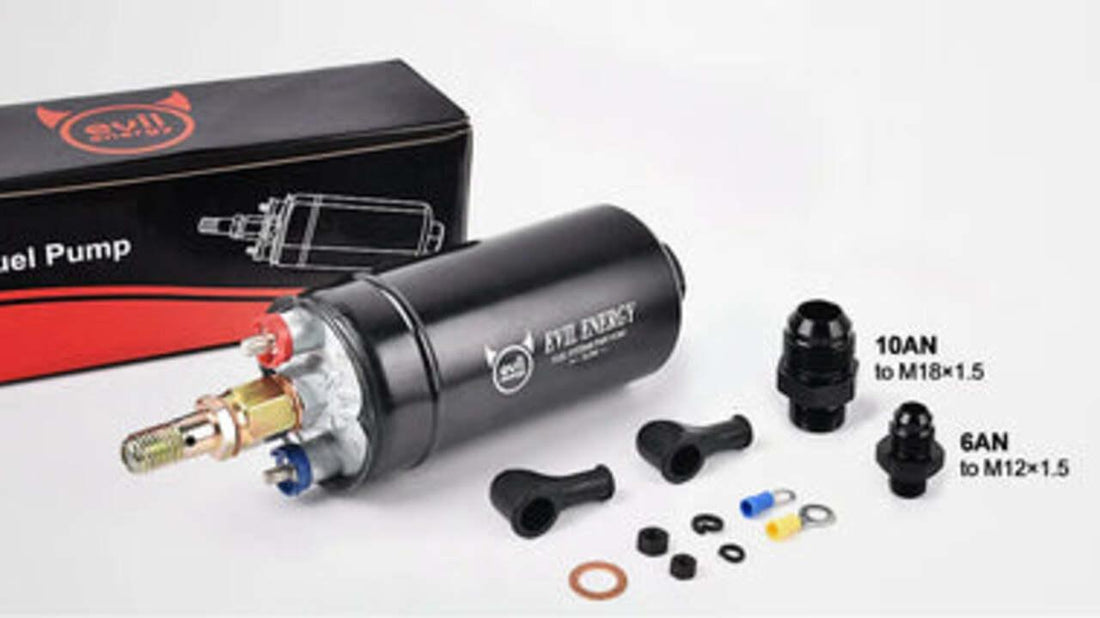
Credit: www.ievilenergy.com
Diy Vs. Professional Replacement
Replacing a fuel filter can be done by yourself or by a professional mechanic. Each choice has its own benefits and challenges. Understanding these can help you decide the best way to keep your vehicle running smoothly.
Tools Needed
Doing the job yourself requires some basic tools. You need a wrench set, screwdrivers, and possibly pliers. A jack and stands might be necessary to reach the fuel filter. A container to catch fuel spills is important too. Professionals come prepared with all the right tools and safety gear. They can finish the job faster and with less mess.
Cost Considerations
Replacing the fuel filter yourself saves money on labor costs. You only pay for the part and any tools you need to buy. A professional service will charge for both parts and labor. The price can vary depending on your car model and location. Sometimes, paying for a professional avoids costly mistakes and saves money in the long run.
Frequently Asked Questions
How Often Should I Replace My Fuel Filter?
Fuel filters typically need replacement every 20,000 to 40,000 miles. Check your vehicle’s manual for specific intervals. Regular changes prevent engine problems and maintain fuel efficiency.
What Are Signs Of A Clogged Fuel Filter?
Common signs include engine misfires, poor acceleration, and difficulty starting. A clogged filter restricts fuel flow, causing performance issues. Addressing these signs early avoids costly repairs.
Can A Dirty Fuel Filter Damage The Engine?
Yes, a dirty fuel filter can cause fuel starvation and engine damage. It leads to poor combustion and increased wear. Replacing the filter on time protects engine health.
Does Fuel Filter Lifespan Vary By Vehicle Type?
Yes, lifespan depends on vehicle make, model, and fuel quality. Some vehicles require filter changes more frequently. Always follow manufacturer recommendations for best results.
Conclusion
Fuel filters usually last between 20,000 and 40,000 miles. Dirt and debris clog filters over time, reducing engine performance. Changing the fuel filter keeps your engine clean and efficient. Regular checks help avoid costly repairs and breakdowns. Trust your vehicle’s manual for the best replacement schedule.
Clean fuel means better mileage and smoother rides. Don’t wait for problems to start; stay proactive. A healthy fuel filter supports a healthy engine. Simple maintenance saves time and money in the long run.


