If you drive a 2003 Ford Escape, keeping your fuel filter clean is key to smooth performance. But how do you change a fuel filter on this specific model without stress or confusion?
You might think it’s complicated or costly, but with the right steps, you can do it yourself quickly and safely. In this guide, you’ll discover exactly what to do, so your Escape runs better and lasts longer. Ready to save time and money?
Let’s dive in.

Credit: www.youtube.com
Tools And Materials Needed
Changing the fuel filter on a 2003 Ford Escape needs the right tools and materials. Having everything ready makes the job easier and safer. Knowing what to use helps avoid mistakes and saves time.
Basic Hand Tools
You will need a few simple hand tools. A socket wrench set works best for loosening bolts. A flathead screwdriver helps to remove clamps. Pliers are useful for gripping and pulling hoses.
New Fuel Filter
Choose a fuel filter made for the 2003 Ford Escape. The filter must fit correctly to avoid leaks. Check the part number to match your vehicle.
Safety Gear
Wear safety glasses to protect your eyes. Use gloves to keep your hands clean and safe. Work in a well-ventilated area to avoid fumes.
Additional Materials
Have a container ready to catch fuel spills. Rags or paper towels help clean up messes. Use a jack and jack stands if you need more space under the vehicle.

Credit: www.ebay.com
Locate The Fuel Filter
Finding the fuel filter on a 2003 Ford Escape is the first step to changing it. Knowing its exact location saves time and effort. The fuel filter cleans dirt and rust from the fuel. A clogged filter can cause engine problems. Locating it correctly ensures a smooth replacement process.
Fuel Filter Location Overview
The fuel filter on a 2003 Ford Escape is inside the engine bay. It sits near the fuel rail on the driver’s side. This placement helps it clean fuel before it reaches the engine. You may need to remove some parts to see it clearly.
Tools Needed To Locate The Fuel Filter
A flashlight helps spot the fuel filter in tight spots. Gloves protect your hands from fuel and dirt. A wrench or socket set may be needed to remove covers. Having these tools ready speeds up the job.
Signs To Identify The Fuel Filter
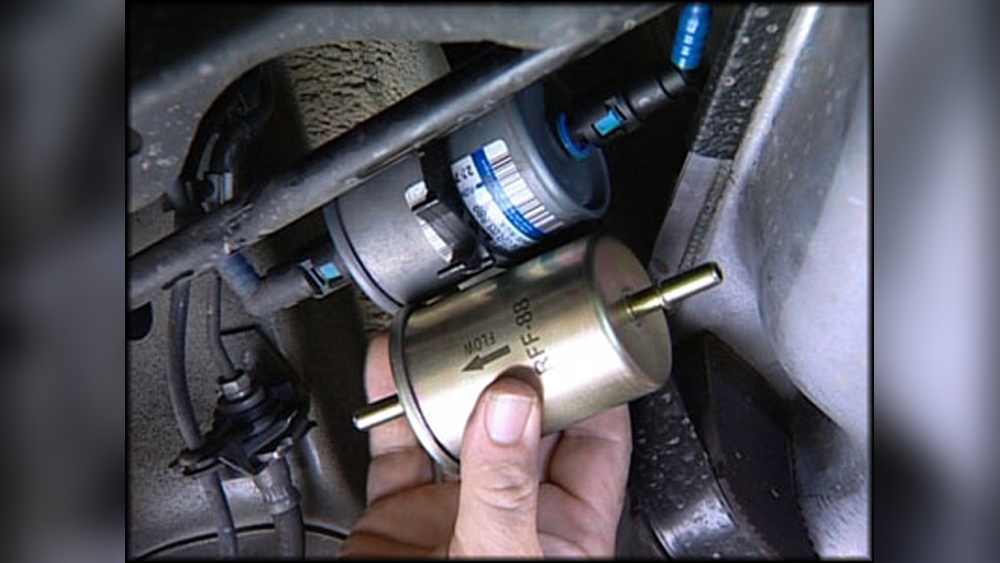
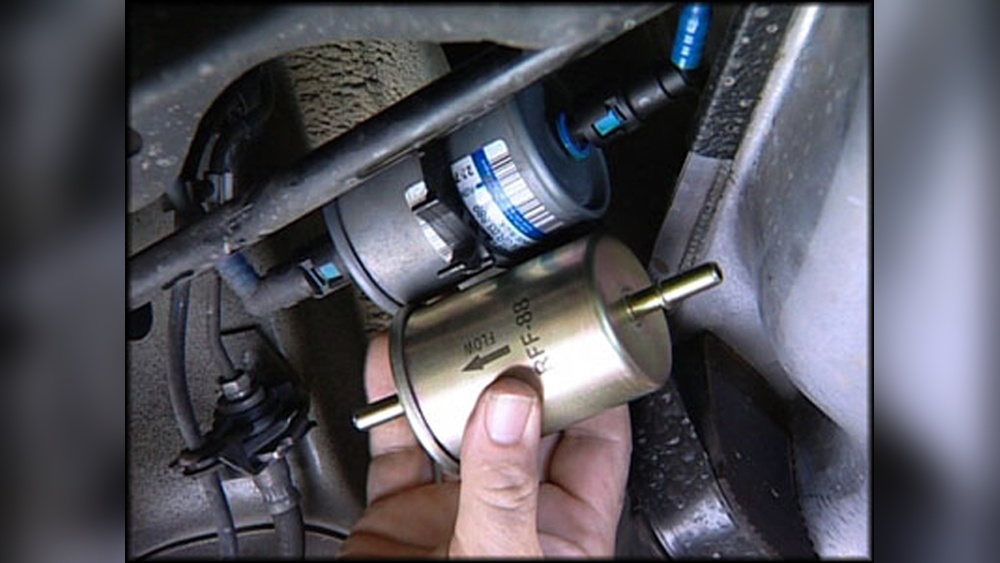
The fuel filter looks like a small metal canister. It has fuel lines attached to both ends. The lines usually have clamps or quick-connect fittings. Look for a cylindrical shape with fuel lines entering and exiting.
Prepare The Vehicle
Preparing your 2003 Ford Escape before changing the fuel filter is important. Proper preparation makes the job safer and easier. Take the right steps to get the vehicle ready for the task.
This section covers how to relieve fuel system pressure and follow safety rules. These steps help avoid accidents and protect you during the process.
Relieve Fuel System Pressure
The fuel system holds pressure that can cause fuel spray. Letting out this pressure first is very important. Start by locating the fuel pump fuse in the fuse box. Remove the fuse to stop the fuel pump from working.
Next, try to start the engine. It will run briefly and then stop. This action uses up the remaining fuel pressure. Wait a few minutes to be sure all pressure is gone before moving forward.
Ensure Safety Precautions
Work in a well-ventilated area to avoid breathing harmful fumes. Keep a fire extinguisher nearby just in case. Avoid open flames or sparks near the vehicle.
Wear safety glasses and gloves to protect your eyes and skin. Keep a clean workspace free from clutter to move easily. These simple steps reduce risks and keep you safe during the fuel filter change.
Credit: repairpal.com
Remove The Old Fuel Filter
Removing the old fuel filter is an important step in replacing it. This process clears out any dirt or debris trapped inside. It also makes sure the new filter works properly. Take your time and follow the steps carefully.
Wear safety glasses and gloves to protect yourself. Fuel can spill and cause skin irritation or fire hazards. Make sure the engine is cool before starting the removal process.
Disconnect Fuel Lines
First, locate the fuel lines connected to the filter. Use a wrench to loosen the fittings slowly. Be ready with a rag or container to catch any fuel drips. Press the quick-connect clips if your filter uses them. Carefully pull the lines away from the filter. Avoid bending or damaging the fuel lines.
Detach The Filter From Bracket
Next, find the bracket holding the fuel filter in place. Use a socket or wrench to remove the bolts or screws. Hold the filter firmly while loosening to prevent it from falling. Once free, gently pull the filter out of the bracket. Check the bracket for rust or damage before installing the new filter.
Install The New Fuel Filter
Installing the new fuel filter is a key step in maintaining your 2003 Ford Escape. This process ensures clean fuel flows smoothly to the engine. Proper installation prevents leaks and keeps your vehicle running well.
Position The New Filter
Place the new fuel filter in the same spot as the old one. Make sure the arrow on the filter points toward the engine. This shows the correct direction of fuel flow. Align the filter so it fits snugly in the bracket. Hold it steady to avoid damage during installation.
Reconnect Fuel Lines Securely
Attach the fuel lines to the new filter’s connectors. Push them firmly to avoid any gaps. Use the original clamps or replace them if worn out. Tighten the clamps to hold the lines in place. Double-check for a tight fit to prevent leaks. Secure connections keep your fuel system safe and efficient.
Check For Leaks And Test
Checking for leaks and testing the fuel system is a vital step after changing the fuel filter on your 2003 Ford Escape. This process ensures your fuel lines are secure and no fuel escapes, which keeps your vehicle safe and running smoothly. Skipping this step can lead to fuel leaks, engine problems, or even fire hazards.
After installing the new fuel filter, carefully inspect every connection point. Look for wet spots or the smell of gasoline. These signs indicate a leak that needs fixing before you proceed. A proper test will confirm your repair is successful and the fuel system works as it should.
Visual Inspection For Leaks
Start by visually checking the fuel filter and fuel lines. Use a bright light to see clearly. Look closely around the filter fittings and hoses for any fuel drops or dampness. Tighten any loose clamps or fittings to stop leaks. Make sure the filter is seated properly in its bracket.
Start The Engine And Observe
Turn on the ignition but do not start the engine. This allows the fuel pump to pressurize the system. Watch the fuel filter and connections during this time. Check again for fuel drips or wet spots. If all looks dry, start the engine and keep an eye on the filter area.
Check Engine Performance
Listen to the engine running. It should run smoothly without sputtering or hesitation. A rough idle or stalling may mean air entered the fuel lines or the filter is clogged. Drive the vehicle slowly and observe its response. Good performance means the fuel filter change was done correctly.
Tips For Maintaining Fuel System
Keeping the fuel system clean helps your 2003 Ford Escape run smoothly. A well-maintained fuel system saves money on repairs and improves gas mileage. Regular care prevents clogs and damage to the fuel filter and pump.
Simple habits can extend the life of your fuel system parts. Clean fuel reduces wear and tear. Follow these practical tips to keep your fuel system in top shape.
Use Quality Fuel
Choose good-quality gasoline to avoid dirt and impurities. Low-grade fuel can cause buildup inside the fuel lines and filter. Clean fuel helps the engine perform better and last longer.
Replace Fuel Filter Regularly
Change the fuel filter as recommended in the owner’s manual. A dirty filter blocks fuel flow and stresses the engine. Replacing it keeps fuel flowing freely and protects the fuel pump.
Check Fuel Lines For Leaks
Inspect fuel lines often for cracks or leaks. Leaks waste fuel and can be dangerous. Fix any issues quickly to keep your Escape safe and efficient.
Avoid Running On Low Fuel
Try not to let your fuel drop too low. Running near empty can cause debris to enter the fuel system. Keep the tank at least a quarter full to avoid problems.
Use Fuel System Cleaners
Add fuel system cleaners occasionally to remove buildup. These cleaners help keep injectors and valves free of deposits. Use products made for your vehicle and follow instructions carefully.
Frequently Asked Questions
Where Is The Fuel Filter Located On A 2003 Ford Escape?
The fuel filter on a 2003 Ford Escape is located along the fuel line under the vehicle. It is typically near the fuel tank or along the frame rail. Checking your owner’s manual helps to find the exact position before starting the replacement process.
How Often Should I Replace My 2003 Ford Escape Fuel Filter?
It is recommended to replace the fuel filter every 30,000 miles or every two years. Regular replacement ensures optimal fuel flow and engine performance. Ignoring this can lead to clogged filters and poor engine efficiency.
What Tools Do I Need To Change The Fuel Filter?
You will need a wrench, screwdrivers, and fuel line disconnect tools. Safety gloves and eye protection are also essential. Proper tools make the replacement process safer and easier.
Can I Change The Fuel Filter Myself Safely?
Yes, changing the fuel filter yourself is safe with proper precautions. Relieve fuel pressure, disconnect the battery, and work in a well-ventilated area. Follow step-by-step instructions carefully to avoid fuel leaks or accidents.
Conclusion
Changing the fuel filter on a 2003 Ford Escape keeps the engine running smooth. Clean fuel means better performance and fewer problems. The process is simple and saves money on repairs. Take your time, follow each step carefully, and stay safe.
Regular maintenance helps your car last longer. Try this task yourself and feel proud of the work done. Your Escape will thank you with better fuel flow and power. Small efforts can make a big difference. Keep your vehicle healthy and enjoy every drive.