Have you ever wondered if your car’s fuel filter is causing trouble? A bad fuel filter can silently affect your vehicle’s performance, leaving you frustrated and stranded unexpectedly.
Knowing the signs of a failing fuel filter can save you time, money, and stress. You’ll discover clear and simple ways to tell if your fuel filter needs attention—so you can keep your engine running smoothly and avoid costly repairs.
Keep reading to learn exactly what to watch for and how to act before small problems turn into big ones.
Fuel Filter Basics
Understanding the basics of a fuel filter helps in knowing its importance. The fuel filter keeps dirt and rust out of the engine. Clean fuel is key for good engine performance. Over time, the fuel filter can get clogged. This can cause engine problems and lower fuel efficiency.
Role In Engine Performance
The fuel filter stops dirt and debris from reaching the engine. This protects engine parts from damage. A clean fuel filter helps the engine run smoothly. It also improves fuel efficiency and reduces emissions. A bad fuel filter can cause engine misfires and poor acceleration.
Common Types Of Fuel Filters
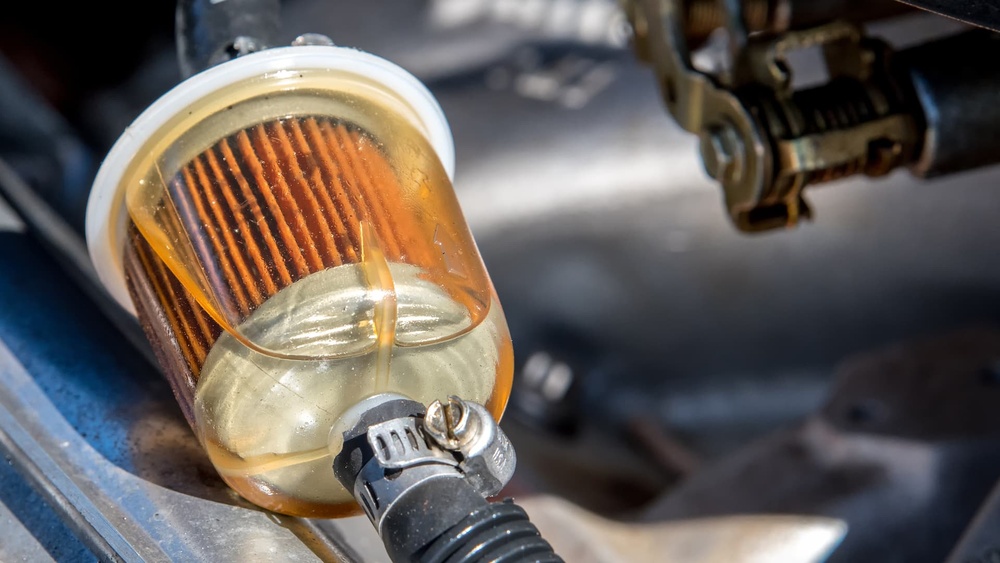
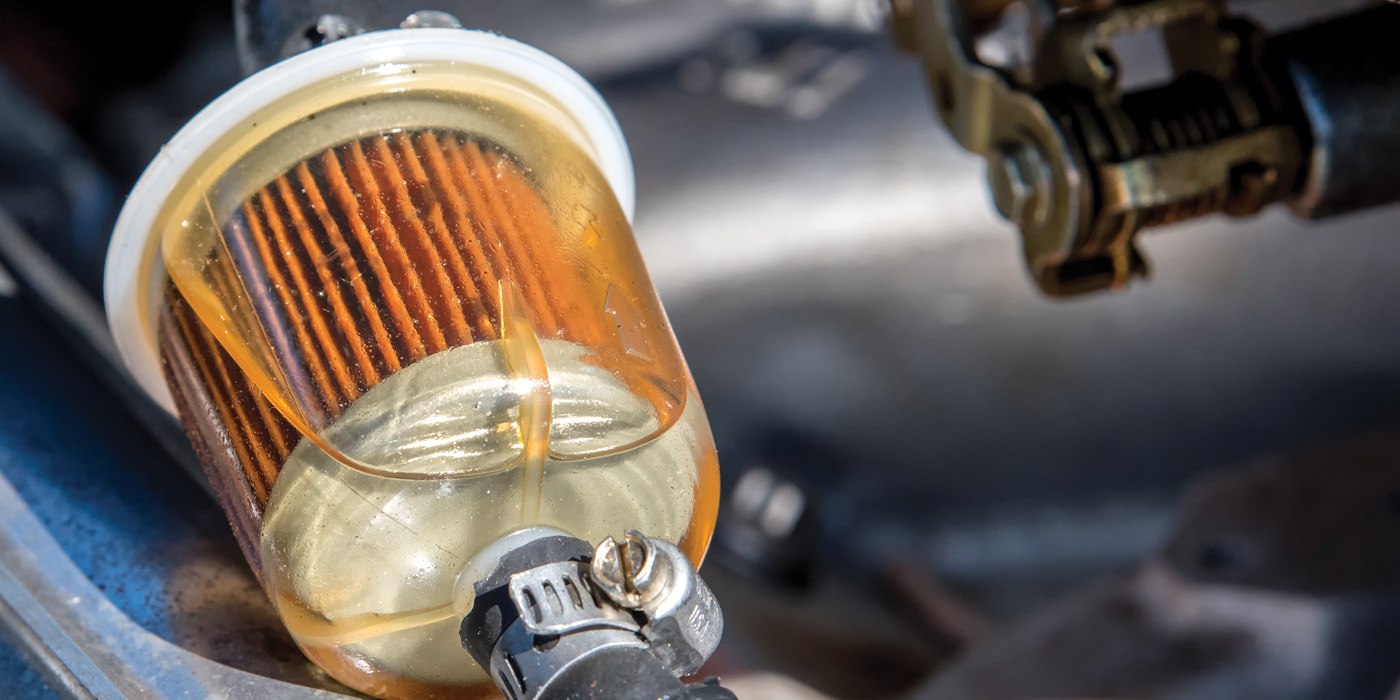
There are mainly two types of fuel filters. Inline fuel filters sit along the fuel line. They are easy to replace and common in many vehicles. Cartridge fuel filters fit inside a housing. They last longer but need special tools for replacement. Both types do the same job: keep fuel clean.

Credit: oilchangers.com
Signs Of A Failing Fuel Filter
The fuel filter keeps dirt and debris out of the engine. A bad fuel filter can cause many engine problems. Knowing the signs helps you fix the issue early. This saves money and keeps your car running smoothly.
Engine Misfires And Hesitation
A clogged fuel filter blocks fuel flow to the engine. This causes the engine to misfire or hesitate. You may feel a sudden loss of power while driving. The engine may run rough or jerk during acceleration.
Reduced Fuel Efficiency
A bad fuel filter makes the engine work harder. It uses more fuel to keep running. You may notice your car uses more gas than usual. This means lower miles per gallon and higher costs.
Difficulty Starting The Engine
Fuel must reach the engine quickly to start. A dirty fuel filter slows fuel flow. The engine may take longer to start or fail to start. You might hear clicking sounds or nothing at all.
Unusual Engine Noises
The engine may make strange noises with a bad filter. Sounds like sputtering, coughing, or popping may occur. These noises come from uneven fuel delivery. They warn you that the fuel system has issues.
Stalling During Acceleration
Stalling happens when the engine stops suddenly. A bad fuel filter can cause this during acceleration. The engine struggles to get enough fuel fast enough. This is dangerous, especially on busy roads or highways.
Visual Clues Of Filter Issues
Visual clues help spot fuel filter problems early. A quick check can reveal dirt or damage. This helps avoid bigger engine troubles and keeps your car running smooth.
Fuel Filter Inspection Tips
First, locate the fuel filter under the hood or near the fuel tank. Use a flashlight for better view. Look for cracks, rust, or any damage on the filter casing. Check for fuel leaks around the filter. A wet or oily surface may signal a leak. Also, inspect the filter’s connections and hoses for wear or looseness.
Checking For Contamination
Remove the fuel filter carefully to check inside. Look for dark, muddy, or rusty particles in the filter element. Clean filters are usually light in color and clear. If the filter looks clogged or dirty, it likely needs replacement. Contaminants block fuel flow and reduce engine performance. A dirty filter can cause rough idling and poor acceleration.
Testing Fuel Flow
Testing fuel flow helps find out if the fuel filter is clogged. A bad fuel filter can block fuel, causing engine problems. Checking fuel flow ensures your engine gets enough fuel. It is an easy way to spot a faulty filter early.
Tools Needed For Testing
- A clear fuel line or hose
- A fuel pressure gauge
- A container to catch fuel
- Safety gloves and glasses
- A wrench or screwdriver (for removing the filter)
Step-by-step Fuel Flow Check
- Wear safety gloves and glasses to protect yourself.
- Turn off the engine and relieve fuel system pressure.
- Locate and remove the fuel filter carefully.
- Attach the clear fuel line to the fuel pump outlet.
- Place the other end of the line into a container.
- Turn the ignition key to the ON position, but do not start the engine.
- Watch for fuel flowing through the clear line.
- Fuel should flow steadily and without interruption.
- If fuel flow is weak or stops, the fuel filter might be bad.
- Use the fuel pressure gauge to check pressure against specs.
- Reinstall the fuel filter securely after testing.
When To Replace The Fuel Filter
Knowing when to replace the fuel filter is key to keeping your vehicle running well. The fuel filter stops dirt and rust from reaching the engine. Over time, it gets clogged and needs changing. This keeps the engine clean and helps avoid costly repairs.
Manufacturer Recommendations
Check your vehicle’s manual for fuel filter replacement advice. Most makers suggest changing it every 20,000 to 40,000 miles. Some newer cars have filters that last longer. Following the guide helps maintain engine health and fuel efficiency.
Signs It’s Time For Replacement
Look for slow engine start or poor acceleration. Engine misfires or stalling may also appear. Strange noises from the fuel pump can be a clue. A drop in fuel efficiency often points to a clogged filter. These signs mean it is time to replace the fuel filter.
Credit: www.import-car.com
Diy Vs Professional Replacement
Deciding between fixing your fuel filter yourself or hiring a professional can be tricky. Both choices have benefits and drawbacks. Knowing these can help you make a smart decision that saves time and money while keeping your car safe.
Pros And Cons Of Diy
Doing the job yourself can save money on labor costs. You learn more about your car’s parts and maintenance. You can work on your own schedule without waiting for an appointment.
DIY also has risks. Mistakes can cause damage to the fuel system or engine. It needs special tools and some mechanical skill. Not all cars have easy access to the fuel filter. It may take longer if you are not experienced.
When To Seek Expert Help
Choose a professional if you feel unsure about the process. Complex fuel systems need expert knowledge to avoid damage. If your car uses a sealed or hard-to-reach filter, a mechanic can help.
Professionals have the right tools and experience. They can spot related issues during replacement. A correct installation reduces the chance of engine problems. If your car shows serious symptoms, trust a mechanic for safety.
Preventing Fuel Filter Problems
Preventing fuel filter problems keeps your vehicle running smoothly. A clean fuel filter stops dirt and debris from reaching the engine. This helps avoid engine damage and poor performance. Taking simple steps can extend the life of your fuel filter.
Using Quality Fuel
Choose fuel from trusted stations. Low-quality fuel often contains impurities. These impurities clog the fuel filter faster. Clean fuel helps protect the filter and engine parts. Avoid filling up from unknown or cheap sources. This small choice makes a big difference.
Regular Maintenance Tips
Check your vehicle’s manual for fuel filter replacement schedules. Replace the filter at recommended intervals. Regular check-ups catch problems early. Watch for signs like engine hesitation or rough idling. Clean or replace the fuel filter before damage occurs. Routine care keeps your car healthy and saves money.

Credit: www.youtube.com
Frequently Asked Questions
How Can I Tell If My Fuel Filter Is Clogged?
A clogged fuel filter reduces engine power and causes rough idling. You may notice stalling or difficulty starting. Inspect the filter for dirt buildup. Replacing it regularly prevents these issues and ensures smooth fuel flow.
What Are Common Symptoms Of A Bad Fuel Filter?
Common signs include engine misfires, decreased acceleration, and poor fuel efficiency. You might also hear sputtering sounds. These symptoms indicate restricted fuel flow, which a failing filter causes. Timely replacement fixes the problem and protects the fuel system.
How Often Should I Replace The Fuel Filter?
Most manufacturers recommend changing the fuel filter every 20,000 to 40,000 miles. However, driving conditions affect this interval. Check your vehicle’s manual for specific guidance. Regular replacement maintains engine performance and prevents costly repairs.
Can A Bad Fuel Filter Damage The Engine?
Yes, a bad fuel filter can cause engine damage. It starves the engine of fuel, leading to overheating and wear. Contaminants can also enter the fuel injectors. Replacing the filter on time helps avoid these serious issues.
Conclusion
A bad fuel filter can cause engine problems and poor performance. Watch for signs like rough idling, trouble starting, or low power. Regular checks help keep your car running well. Changing the fuel filter on time saves money and avoids bigger repairs.
Stay alert to your vehicle’s behavior. Take action if you notice any issues. Clean fuel means a smoother ride and longer engine life. Simple steps prevent costly problems later. Your car will thank you for the care.