

Have you ever wondered how long you should wait after applying car wax before hitting the road? Getting the timing right can make all the difference between a shiny, protected finish and wasted effort.
If you’re eager to keep your car looking its best, knowing exactly how long car wax takes to set is key. You’ll discover the simple steps to ensure your wax dries perfectly, so your vehicle stays glossy and protected for weeks.
Keep reading to find out the secrets that will help you master the art of car waxing every time.
Factors Affecting Wax Setting Time
Several factors influence how long car wax takes to set. Understanding these helps you get the best shine and protection for your car. Each factor changes the wax’s drying time in different ways. Knowing them ensures proper application and better results.
Type Of Car Wax
Car waxes come in different forms: paste, liquid, and spray. Paste wax usually takes longer to dry because it is thicker. Liquid wax dries faster and is easier to apply. Spray wax sets almost immediately but may offer less protection.
Temperature And Humidity
Temperature affects wax drying time a lot. Warm weather speeds up the process. Cold temperatures slow it down. High humidity also slows drying because moisture stays on the surface. Low humidity helps wax set faster and better.
Application Thickness
Applying wax too thickly increases the setting time. Thin, even layers dry quicker and give a smooth finish. Thick layers take longer and may leave streaks or spots. Use a small amount and spread it evenly for best results.
Surface Preparation
Clean surfaces help wax set faster and stick better. Dirt, grease, or old wax can block drying. Washing and drying the car before applying wax is important. A clean, dry surface improves the wax’s effectiveness and speed of setting.
Wax Setting Times For Different Types
Different types of car wax take different times to set. Knowing the setting time helps you get the best shine. Setting time affects how well the wax protects your car. It also impacts how easy it is to buff off. Here are the typical setting times for common wax types.
Paste Wax
Paste wax usually takes the longest to set. It needs about 10 to 15 minutes to dry. During this time, it forms a solid layer on the paint. You can feel when it starts to haze. That is the signal to buff it off. Paste wax gives a deep shine but requires more patience.
Liquid Wax
Liquid wax sets faster than paste wax. It generally takes 5 to 10 minutes to dry. The surface will look dull or hazy when ready. Liquid wax is easier to apply and remove. It works well for quick car care and good protection.
Spray Wax
Spray wax dries the fastest among wax types. It usually sets within 1 to 3 minutes. Spray wax is great for quick touch-ups and light protection. It does not last as long as paste or liquid wax. Perfect for busy days and quick shine.
Synthetic Sealants
Synthetic sealants take about 20 to 30 minutes to set. They create a strong, long-lasting protective layer. Sealants often need more curing time than natural waxes. They offer excellent durability and shine. Ideal for those wanting extended protection.
Steps To Apply Car Wax Properly
Applying car wax properly is key for a shiny and protected surface. Skipping steps can cause streaks or uneven coverage. Follow these simple steps to get the best results from your wax.
Cleaning The Car Surface
Start with a clean car. Dirt and dust can trap under the wax. Wash the car using soap and water. Dry it completely to avoid water spots. Clean surfaces help wax stick better.
Applying Wax Evenly
Use a soft applicator pad for smooth spreading. Apply wax in small sections. Spread thin layers in circular motions. Avoid thick coats to prevent streaks. Even application helps wax set well.
Allowing Wax To Dry
Let the wax dry for the time on the product label. Usually, it takes 10 to 15 minutes. The wax will look hazy or cloudy when ready. This drying time lets wax bond to the paint.
Buffing Techniques
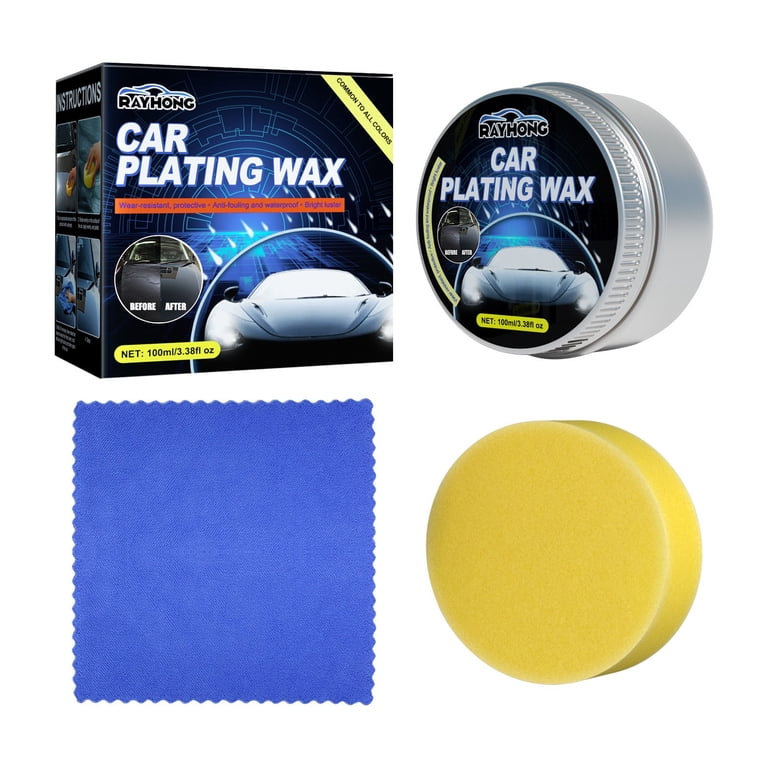
Use a clean microfiber cloth for buffing. Rub gently in circular motions. Buff until the surface shines and feels smooth. This step removes excess wax and enhances gloss. Proper buffing gives a deep, lasting shine.
Credit: www.walmart.com
Signs Wax Has Fully Set
Knowing when car wax has fully set is key for a perfect finish. The wax must dry and bond well with the car paint. This process takes some time but shows clear signs. These signs help you know when to stop waiting and enjoy the shine.
Appearance Changes
Wax looks cloudy or hazy at first. As it sets, the surface becomes clear and shiny. The dull look fades away. The finish looks smooth and glossy. This change means the wax has bonded well.
Tactile Feel
Touch the waxed surface gently. It feels slightly tacky or sticky when wet. Once set, it feels smooth and dry. No sticky residue should remain on your fingers. The surface feels slick and polished.
Water Beading Test
Spray a little water on the waxed area. Drops should form small, round beads. Water beads show the wax repels moisture well. Flat or spread-out water means the wax isn’t ready. This test proves wax protection is active.
Common Mistakes That Delay Setting
Applying car wax seems simple, but many make mistakes that slow its setting time. These errors cause frustration and poor results. Avoiding common pitfalls helps your wax dry faster and work better.
Applying Too Much Wax
Using too much wax is a common error. Thick layers take longer to dry and set. A thin, even coat is enough for protection and shine. Overloading the surface traps moisture and delays curing. Less wax means faster setting and a smoother finish.
Waxing In Direct Sunlight
Waxing under bright sun can harm the process. Heat causes the wax to dry too quickly on the surface. This stops it from bonding well with the paint. The wax may peel or streak, reducing protection. Work in shade or during cooler hours for best results.
Skipping Surface Prep
Not cleaning the car before waxing is a big mistake. Dirt and dust block the wax from sticking properly. Oils or old wax layers confuse the new wax and slow drying. Always wash and dry the car fully before starting. A clean surface ensures faster setting and lasting shine.
Credit: www.walmart.com
Tips For Faster Wax Setting
Wax setting time can be shorter with the right approach. Simple tips help your car wax dry faster. These methods make your waxing job quicker and easier. Follow these ideas for better results and less wait.
Ideal Weather Conditions
Choose a dry day with low humidity. Warm temperatures help wax cure faster. Avoid waxing in direct sunlight or extreme heat. Shade is best to keep wax from drying too fast. Cool, damp weather slows the wax setting process.
Using Quick-dry Products
Some waxes are made to dry quickly. Look for products labeled “quick-dry” or “fast set.” These waxes save time without losing shine. They work well in less ideal weather. Test a small area first to check results.
Proper Application Tools
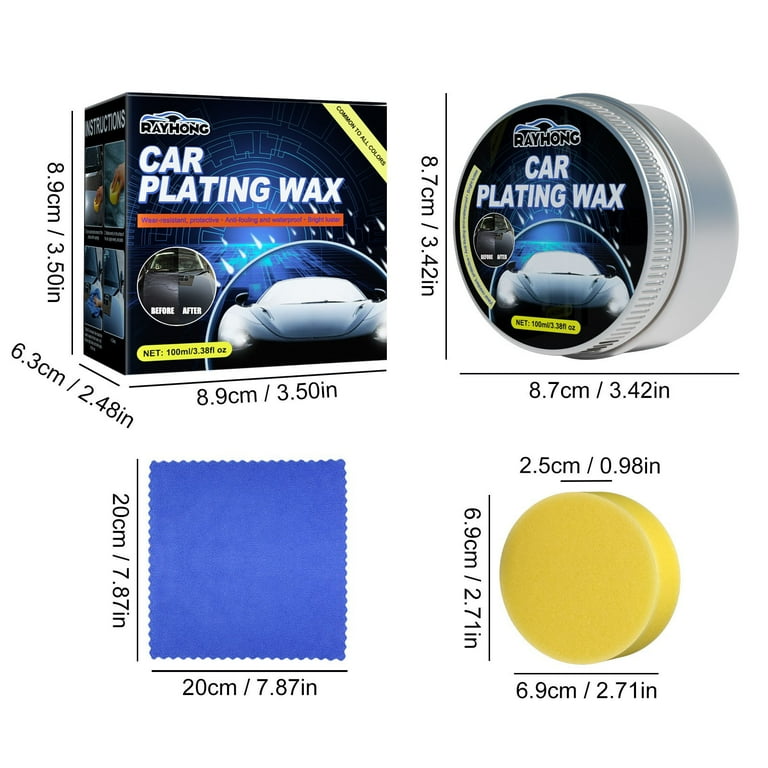
Use soft, clean microfiber cloths or foam applicators. These tools spread wax evenly and thinly. Thin layers dry faster than thick ones. Avoid using old or dirty cloths that trap dirt. Good tools help wax bond better and set faster.
Maintaining Wax Protection Over Time
Maintaining the shine and protection of your car wax takes effort over time. Wax does not last forever, so care is important. Proper maintenance helps your car look new and stay safe from damage.
Regular Washing Habits
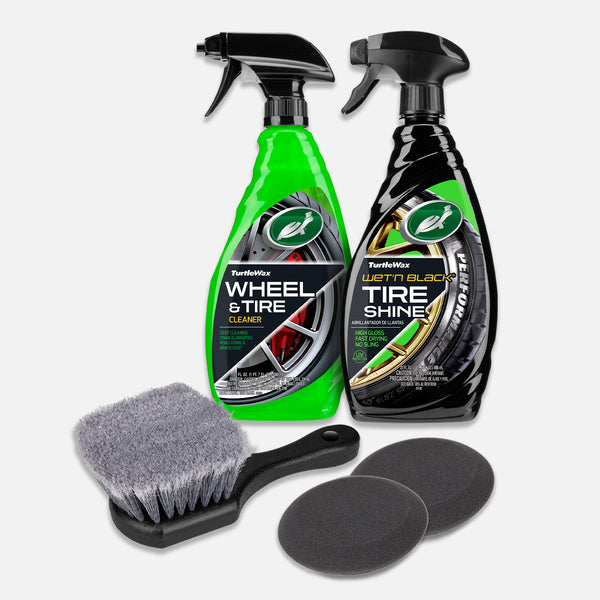
Wash your car often to keep dirt and grime off the wax. Use mild soap and water to avoid stripping the wax. Avoid automatic car washes with harsh brushes. Hand washing is best to protect the wax layer.
Reapplying Wax
Wax wears off gradually. Reapply wax every few months for lasting protection. Choose a wax type that matches your car and climate. Light waxing keeps the surface smooth and shiny. Follow product instructions for the best results.
Avoiding Harsh Chemicals
Harsh chemicals can damage wax and paint. Stay away from strong detergents or solvents on your car. Use products designed for automotive care. Protecting wax means protecting your car’s finish.
Credit: www.turtlewax.com
Frequently Asked Questions
How Long Does Car Wax Need To Dry?
Car wax typically needs 10 to 30 minutes to dry before buffing. Drying time depends on wax type and weather conditions. Always follow the product instructions for best results.
When Should I Buff My Car After Waxing?
Buff your car 15 to 30 minutes after applying wax. The wax should feel dry but not hard. Buffing too early or late reduces shine and protection.
Does Temperature Affect Car Wax Setting Time?
Yes, temperature impacts wax setting time. Warm temperatures speed up drying, while cold slows it down. Ideal temperature for waxing is 60°F to 80°F.
Can I Apply Wax In Direct Sunlight?
It’s best to avoid waxing in direct sunlight. Heat causes wax to dry too fast, making it hard to buff. Work in shaded, cool areas for optimal results.
Conclusion
Car wax usually takes about 20 to 30 minutes to set properly. Waiting this time helps the wax bond well with your car’s surface. Avoid touching or washing your car during this period. Applying wax in cool, shaded areas speeds up the process.
Regular waxing keeps your car shiny and protected longer. Patience pays off for the best results. Try to follow the instructions on your wax product. Clean your car well before applying wax for a smooth finish. Your car will look fresh and stay safe from dirt and damage.

