Have you ever wondered how long the struts on your car actually last? These small but mighty parts play a huge role in keeping your ride smooth and safe.
If you’re feeling those bumps more than usual or hearing strange noises, it might be time to check them out. You’ll discover exactly how long struts typically last, what signs show they need replacing, and how this affects your driving.
Keep reading to protect your car and stay comfortable on every drive.
Strut Function And Importance
Struts play a key role in your car’s suspension system. They support the vehicle’s weight and help control its movement. Without good struts, driving becomes unsafe and uncomfortable. Understanding their function shows why regular checks are important.
Role In Vehicle Suspension
Struts connect the wheels to the car’s body. They absorb shocks from bumps and rough roads. This keeps the tires in contact with the road. Struts also help maintain wheel alignment. This improves steering and handling.
Impact On Ride Quality
Struts smooth out the ride by reducing jolts. They prevent the car from bouncing too much on uneven surfaces. Worn struts cause vibrations and noise inside the cabin. Good struts ensure a calm and stable drive.

Credit: www.theengineeringchoice.com
Typical Strut Lifespan
Struts are a key part of a car’s suspension system. They help absorb shocks and keep the vehicle stable. Knowing how long struts last can save you time and money. Typical strut lifespan varies, but understanding the average and influencing factors helps maintain your car better.
Average Mileage Expectancy
Most struts last between 50,000 and 100,000 miles. This range depends on driving conditions and car type. Some cars may need new struts closer to 50,000 miles. Others can go beyond 100,000 miles without problems. Regular checks help spot wear before failure.
Factors Influencing Durability
Road quality plays a big role in strut life. Rough roads wear struts faster than smooth highways. Driving style also matters. Hard braking and fast turns put extra stress on struts. Weather conditions like snow and rain can cause corrosion. Proper maintenance extends strut durability. Timely repairs and inspections keep struts working well longer.
Signs Of Worn Struts
Struts play a key role in your car’s suspension system. They absorb shocks and keep the vehicle stable. Worn struts affect driving safety and comfort. Spotting signs early helps avoid bigger problems and costly repairs.
Handling And Stability Issues
Worn struts cause poor handling on the road. The car may sway or lean during turns. You might feel a bouncy ride over bumps. Steering can become less responsive and loose. Uneven tire wear also signals strut problems.
Unusual Noises And Vibrations
Listen for knocking or clunking sounds when driving. These noises often come from worn struts. Vibrations in the steering wheel or car body may appear. Rough rides or shaking show struts may be failing.
Visible Damage Or Leaks
Check struts for visible damage or oil leaks. Oil on the strut body means the seals are broken. Bent or damaged struts need immediate replacement. Rust or corrosion also weakens the strut’s function.

Credit: auto.howstuffworks.com
Maintenance Tips To Extend Strut Life
Struts play a key role in your car’s suspension. Keeping them in good shape helps your ride stay smooth and safe. Simple maintenance steps can make your struts last longer. This saves money and avoids trouble on the road.
Regular Inspections
Check your struts often for signs of wear or damage. Look for oil leaks or dents on the strut body. Listen for unusual noises when driving over bumps. Early detection helps fix small problems before they grow. A quick visual check every few months works well.
Driving Habits To Avoid
Avoid driving fast on rough roads or hitting potholes hard. Sudden impacts can damage your struts quickly. Slow down on uneven surfaces to reduce strain. Don’t overload your car with heavy items. Extra weight stresses the suspension and shortens strut life.
Timely Repairs
Replace worn or damaged struts as soon as possible. Delaying repairs can harm other suspension parts. Fixing issues early keeps your car stable and comfortable. Use quality parts and trusted mechanics for the best results. Prompt action extends your struts’ lifespan greatly.
Strut Replacement Considerations
Replacing the struts on your car needs careful thought. Struts affect how your car drives and how safe it is. Choosing the right parts, deciding who will replace them, and knowing the costs are important. These factors help you get the best results and keep your car running smoothly.
Understanding these points makes the replacement process easier. It also helps you avoid extra expenses or problems later.
Choosing Quality Parts
Good quality parts last longer and work better. Cheap parts may wear out fast and cause problems. Look for parts made by trusted brands. Check if the parts fit your car model. Using quality parts keeps your car safe and comfortable.
Professional Vs Diy Replacement
Replacing struts needs special tools and skills. Professionals have experience and proper equipment. They do the job quickly and correctly. DIY replacement can save money but can be risky. Mistakes may cause more damage or safety issues. Know your skills before deciding to do it yourself.
Cost Factors
Strut replacement costs vary by car type and part quality. Labor charges affect the total price. High-quality parts cost more but last longer. DIY saves labor costs but may need tools. Always compare prices and consider long-term value.
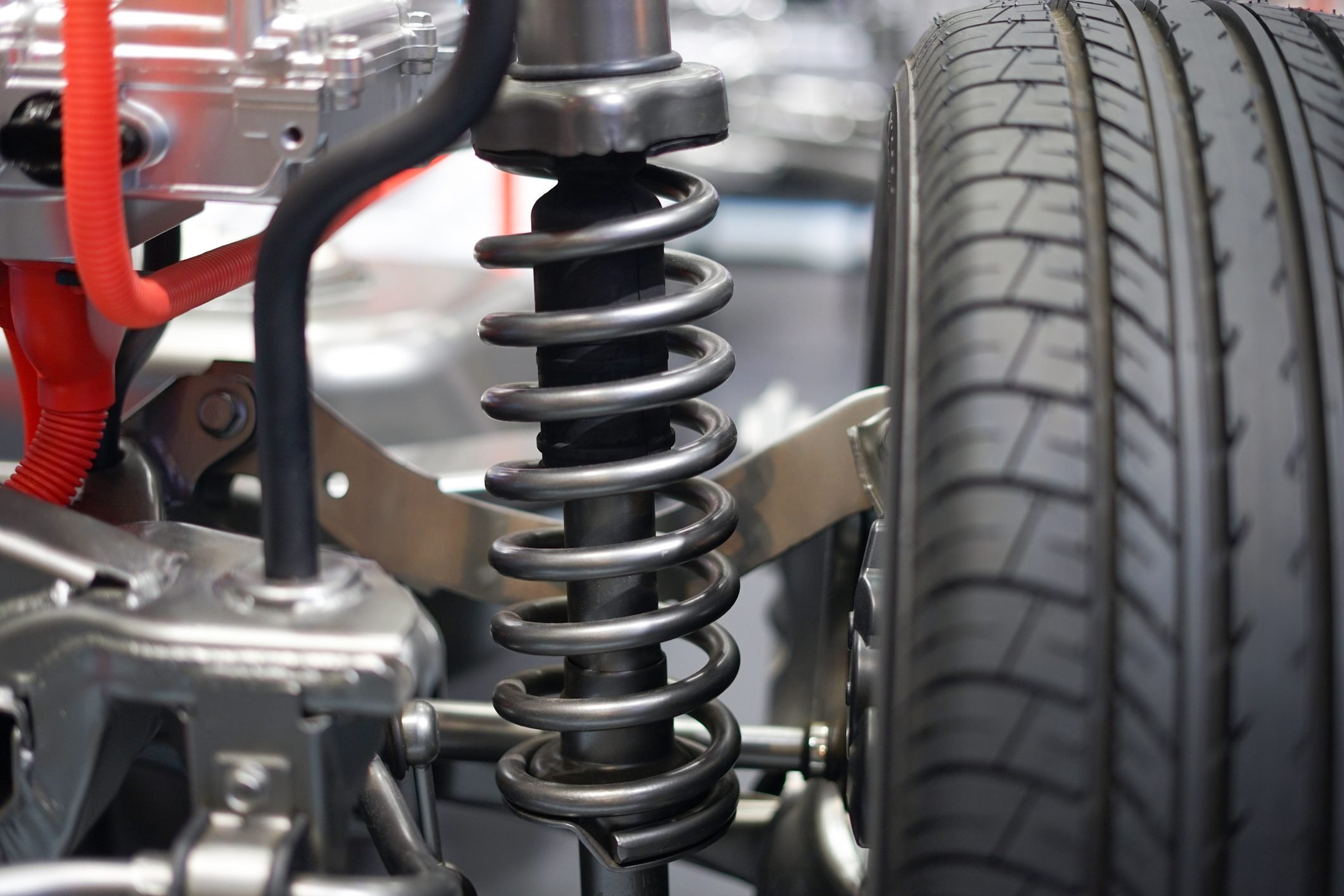
Credit: www.familyhandyman.com
Impact Of Climate And Terrain
The climate and terrain where you drive play a big role in how long your car’s struts last. Different weather and road conditions put extra stress on these parts. This can make them wear out faster than usual. Understanding these effects helps you take better care of your car.
Effects Of Harsh Weather
Extreme temperatures can damage struts over time. Hot weather can cause the oil inside to break down. Cold weather makes the metal parts stiff and brittle. Rain and snow lead to rust and corrosion. Salt used on roads in winter speeds up rusting. This weakens the struts and shortens their life.
Driving On Rough Roads
Bumpy roads and potholes put extra pressure on struts. Constant jolts make the springs and shocks wear out fast. Gravel and dirt can scratch and damage parts. Driving on rough terrain shakes the struts more than smooth roads. This causes quicker breakdowns and can lead to costly repairs.
Frequently Asked Questions
How Long Do Car Struts Usually Last?
Car struts typically last between 50,000 to 100,000 miles. This depends on driving conditions and maintenance habits. Regular inspections can help identify wear and prolong their lifespan.
What Signs Indicate Struts Need Replacement?
Common signs include excessive bouncing, uneven tire wear, and poor handling. You may also hear knocking noises when driving over bumps. These symptoms suggest worn-out struts needing prompt replacement.
Can Worn Struts Affect Vehicle Safety?
Yes, worn struts reduce stability and braking efficiency. This increases stopping distances and risk of accidents. Maintaining healthy struts is crucial for safe vehicle handling and passenger protection.
How Often Should Struts Be Inspected?
It’s recommended to inspect struts every 30,000 miles or during routine vehicle checkups. Early detection of issues prevents costly repairs and ensures smooth driving performance.
Conclusion
Struts usually last between 50,000 and 100,000 miles. Driving conditions and vehicle type affect their lifespan. Worn struts can cause poor handling and uneven tire wear. Regular checks help spot problems early. Replacing struts on time keeps your car safe and smooth.
Pay attention to strange noises or a bumpy ride. Proper care extends strut life and improves driving comfort. Stay alert and maintain your vehicle well for the best results.