

How long does it take to change the oil in your car? You might think it’s a quick job or something that only mechanics handle, but knowing the answer can save you time and money.
Whether you’re planning to do it yourself or just want to understand the process better, this guide will walk you through everything you need to know. Stick around, and you’ll discover how simple and fast oil changes can be—giving your car the care it deserves without disrupting your day.

Credit: www.driveclassicvw.com
Time Needed For Oil Change
Changing the oil in your car is a basic task to keep it running well. Knowing how much time it takes helps plan your day better. The time needed can vary by place and car type. Understanding this helps set the right expectations.
Average Duration
Most oil changes take between 20 and 40 minutes. Quick oil change shops often finish near 20 minutes. Full-service centers might need closer to 40 minutes. This includes draining old oil, replacing the filter, and adding new oil. Waiting time can add extra minutes, depending on how busy the shop is.
Factors Affecting Time
The car model affects how fast the oil change goes. Some cars have easier access to the oil filter. Others need more work to reach the filter or drain plug. The type of oil used also matters. Synthetic oil might take a bit longer to drain than regular oil. The mechanic’s experience plays a role too. Skilled workers finish faster with fewer mistakes. Busy shops may delay the process, making you wait longer.
Tools And Materials Required
Changing the oil in your car needs some basic tools and materials. Having the right equipment makes the job easier and safer. You can save time and avoid mistakes with the proper tools. Understanding what to use helps you prepare well before starting.
Essential Tools
Start with a wrench or socket set to remove the oil drain plug. Use an oil filter wrench to take off the old filter. A drain pan is necessary to catch the used oil. Have gloves to protect your hands from hot oil. Rags or paper towels help clean spills. A funnel makes pouring new oil neat and simple.
Choosing The Right Oil
Selecting the right oil keeps your engine healthy. Check your car’s manual for the recommended oil type. Use the correct oil weight, like 5W-30 or 10W-40. Synthetic oils last longer but cost more. Conventional oils are cheaper but need more frequent changes. Pick oil that fits your driving habits and climate.
Step-by-step Oil Change Process
Changing the oil in your car is a simple task. It helps keep your engine running smooth and clean. This step-by-step guide breaks down the oil change process. Follow these steps to do it right and save time.
Preparing Your Vehicle
Park your car on a flat surface. Turn off the engine and let it cool. Open the hood and find the oil fill cap. Gather tools like a wrench, drain pan, and new oil. Wear gloves to keep your hands clean.
Draining Old Oil
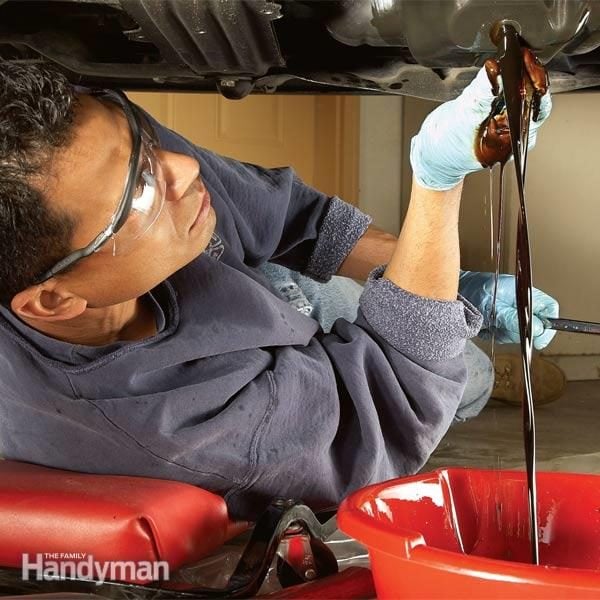
Place the drain pan under the oil drain plug. Use the wrench to loosen the plug carefully. Let all the old oil flow out. Be patient; this step can take a few minutes. Tighten the drain plug once drained.
Replacing Oil Filter
Locate the oil filter near the engine. Use an oil filter wrench to remove it. Be ready for some oil to spill out. Apply a bit of new oil on the filter’s rubber seal. Screw the new filter in by hand until snug.
Adding New Oil
Open the oil fill cap on top of the engine. Pour the correct amount of new oil slowly. Use a funnel to avoid spills. Check the oil level with the dipstick. Add more oil if needed, but don’t overfill.
Diy Vs Professional Service
Changing car oil is a necessary task to keep your engine healthy. Many wonder whether to do it themselves or hire a professional. Both methods have pros and cons. The choice depends on time, cost, and comfort with tools.
Pros Of Diy Oil Change
Doing your own oil change saves money on labor fees. You control the quality of oil and filter used. It can be faster if you know what to do. Learning basic car care skills is useful. You can do it anytime at home without appointments. It gives a sense of accomplishment and independence.
Benefits Of Professional Service
Professionals have the right tools and experience. They do the job quickly and cleanly. Many offer full service, checking other car parts. You avoid mess and disposal problems with old oil. Some shops give warranties on their work. It reduces the risk of mistakes that harm the engine. Professionals know the exact oil type for your car model.
Tips For Faster Oil Changes
Changing your car’s oil does not have to take a long time. With the right approach, you can make the process quicker and smoother. Simple steps can save you minutes and reduce hassle. This section shares useful tips to speed up your oil change.
Organizing Tools
Gather all necessary tools before starting. Place the oil filter, new oil, wrench, and drain pan nearby. Keep a clean cloth within reach. Organizing tools prevents searching and stops delays. Prepare a safe spot to dispose of old oil. Having everything ready helps the work flow fast.
Using Quick-drain Methods
Try quick-drain systems for faster oil removal. Some products drain oil through the dipstick tube. These methods cut down on time under the car. They reduce spills and mess too. Use quick-drain tools designed for your vehicle. This saves time and makes cleanup easier.
Credit: www.familyhandyman.com
Signs You Need An Oil Change
Knowing the signs of an oil change helps keep your car healthy. Oil keeps the engine parts moving smoothly and cool. Old or dirty oil can harm the engine and lower performance. Recognizing these signs lets you act before problems start.
Mileage Guidelines
Most cars need an oil change every 3,000 to 5,000 miles. Check your car’s owner manual for exact numbers. Some newer cars allow longer intervals, up to 7,500 miles or more. Regular mileage checks help you plan oil changes on time.
Warning Indicators
The oil change light on your dashboard is a clear sign. Strange engine noises or rough running may also indicate old oil. Dark, thick oil on the dipstick shows it needs changing. Smell of burning oil or smoke from the engine signals a problem. Watch for these signs to protect your engine.

Credit: www.take5.com
Frequently Asked Questions
How Long Does A Typical Oil Change Take?
A typical oil change usually takes about 30 to 45 minutes. This includes draining old oil, replacing the filter, and adding new oil. Quick lube services may complete it faster, often within 20 to 30 minutes.
Can I Change My Car Oil Myself?
Yes, you can change your car oil yourself with basic tools. It requires draining old oil, replacing the filter, and adding fresh oil. However, ensure you follow safety and disposal guidelines to avoid damage or environmental harm.
How Often Should I Change My Car Oil?
Most experts recommend changing car oil every 3,000 to 5,000 miles. Check your vehicle’s manual for specific intervals. Regular oil changes maintain engine health and improve performance, preventing costly repairs.
Does Oil Type Affect Oil Change Duration?
No, the oil type (synthetic or conventional) does not significantly affect oil change duration. The process and time remain similar, but synthetic oil offers longer engine protection between changes.
Conclusion
Changing your car’s oil usually takes about 30 to 45 minutes. This time can vary based on your car type and the method used. Regular oil changes keep your engine running smoothly and help avoid costly repairs. Knowing how long it takes helps you plan better and stay safe on the road.
Keep track of your oil changes to protect your car’s health. Simple maintenance goes a long way.

