

You want your car to shine like new, but applying wax can sometimes feel tricky. What if you could learn the exact steps to make your car look stunning, protect its paint, and save time?
You’ll discover simple, clear instructions on how to apply car wax properly. By the end, your car will turn heads everywhere you go—and you’ll know exactly how to keep that shine lasting longer. Ready to make your car glow with confidence?
Let’s dive in.
Credit: www.goldeagle.com
Choosing The Right Wax
Choosing the right car wax is important for a smooth and shiny finish. The right wax protects your paint and makes your car look great. Different waxes suit different needs and car types. This guide helps you find the best wax for your vehicle.
Types Of Car Wax
Car wax comes in several types. Paste wax offers long-lasting protection but takes time to apply. Liquid wax is easy to spread and dries fast. Spray wax is quick and good for touch-ups. Synthetic waxes last longer and protect better than natural ones. Each type has its own benefits.
Factors To Consider
Consider your car’s paint type before choosing wax. Check if your car has a clear coat or single stage paint. Think about how often you want to apply wax. Some waxes need frequent reapplication. Weather and climate also affect wax choice. Choose wax that suits your environment. Ease of application matters too. Pick wax that matches your skill level.
Recommended Products
Many waxes work well for different cars. For beginners, a liquid wax like Meguiar’s Liquid Wax is simple to use. For longer protection, Turtle Wax Hybrid Solutions offers synthetic options. Paste wax like Collinite 845 gives deep shine and durability. Spray wax such as Mothers California Gold is good for quick shine. Test small areas before full application.
Preparing Your Car
Preparing your car before applying wax is crucial for a smooth and long-lasting finish. Dirt, dust, and grime can stop the wax from sticking well. Proper preparation helps protect your paint and enhances the shine. Follow these simple steps to get your car ready.
Washing And Drying
Start by washing your car with soap and water. Use a soft sponge or cloth to avoid scratches. Rinse thoroughly to remove all soap. Dry your car completely with a clean microfiber towel. Water spots can ruin the wax job.
Removing Contaminants
Check for stubborn dirt like tar, tree sap, or bugs. Use a clay bar or special cleaner to remove these. They can cause uneven wax coverage and damage paint. Take your time to clean every part of the car’s surface.
Surface Inspection
Look closely at your car’s paint. Find scratches, swirl marks, or dull spots. These imperfections may need polishing before waxing. A smooth surface helps the wax stick better and last longer. Fix any issues to get the best results.
Applying Wax Step-by-step
Applying car wax properly protects your vehicle’s paint and gives it a shiny finish. The process is simple but needs care and patience. Follow these steps to get the best results. Taking your time helps avoid streaks and uneven coverage.
Tools You Need
Gather soft microfiber cloths or applicator pads for smooth application. Use a clean, dry towel for buffing. Choose a high-quality wax suitable for your car’s paint. Have a bucket of water and car soap ready for washing first. Work in a shaded area to prevent wax from drying too fast.
Applying Thin Layers
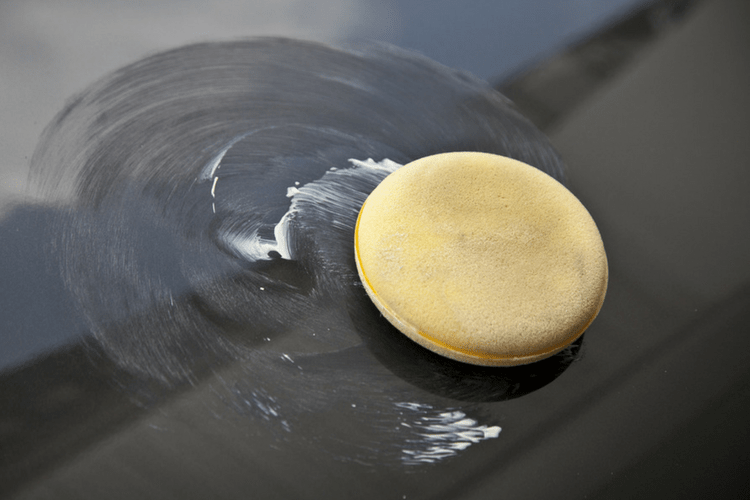
Use small amounts of wax on the applicator pad. Spread the wax in thin, even layers. Thin layers dry evenly and are easier to buff off. Thick layers take longer to dry and can leave streaks. Apply wax with gentle, circular motions for best coverage.
Working In Sections
Divide your car into small parts like doors or hood. Apply wax to one section at a time. This helps control the application and drying time. Wipe off the wax from each section before moving on. Work steadily to keep wax from hardening on the paint.

Credit: www.turtlewax.com
Buffing And Polishing
Buffing and polishing are key steps in applying car wax properly. These steps bring out the shine and protect the paint. Buffing removes extra wax and smooths the surface. Polishing enhances the car’s gloss and gives it a fresh look. Doing these steps right can make your car look clean and shiny for weeks.
Timing To Buff
Buff the wax after it dries to a haze. This usually takes 5 to 10 minutes. The wax should not be too wet or too hard. Too wet means it won’t shine well. Too hard means it will be hard to remove. Check a small area first to find the right time to buff.
Techniques For Even Shine
Use a soft, clean microfiber cloth for buffing. Move the cloth in small circles or straight lines. Apply light pressure to avoid scratches. Work on one section at a time. Change cloth sides often to keep it clean. This helps spread the wax evenly and brings out a smooth shine.
Avoiding Common Mistakes
Don’t buff too soon or too late. This can leave streaks or patches. Avoid using rough cloths or towels. They can scratch the paint. Don’t apply too much wax at once. It makes buffing harder and uneven. Avoid buffing in direct sunlight to stop quick drying and streaks.
Maintaining Your Waxed Finish
Maintaining your waxed finish keeps your car looking fresh and shiny longer. A proper wax job protects your paint and adds a smooth layer against dirt and damage. Regular care helps the wax last and keeps your car’s surface safe.
Regular Cleaning Tips
Wash your car gently with a mild soap and soft cloth. Avoid harsh detergents that strip the wax. Dry the surface with a clean microfiber towel. Clean often to stop dirt from building up and dulling the wax.
Touch-up Applications
Apply a thin wax layer every few weeks. Small touch-ups keep the shine strong and the paint protected. Use a soft applicator pad and work in small sections. Buff lightly with a clean cloth for best results.
Protecting Against Elements
Park in shaded or covered areas to reduce sun damage. Rain, dust, and pollution can wear down wax faster. Use a quick detail spray after exposure to keep water beading and dirt off. Cover your car during harsh weather for extra care.
Troubleshooting Wax Issues
Applying car wax can sometimes lead to common problems. These include haze, streaks, uneven coverage, and residue. Fixing these issues improves your car’s shine and protection. The following tips help you handle these problems easily.
Removing Haze And Streaks
Haze appears as a dull, cloudy layer on your car’s surface. It happens when wax is left to dry too long. Use a clean microfiber cloth to buff the haze gently. Work in small circular motions until the haze disappears. Avoid using too much pressure to prevent scratches.
Fixing Uneven Coverage
Uneven wax coverage leaves some areas shiny and others dull. This happens if you apply too much or too little wax. Apply wax in thin, even layers to fix this. Use a foam applicator pad for better control. Reapply wax to dull spots and blend carefully with surrounding areas.
Dealing With Residue
Residue looks like sticky or oily spots after waxing. It occurs if the wax is not fully removed or applied thickly. Use a clean, soft cloth to wipe off residue. If needed, use a mild car cleaner to remove stubborn spots. Always finish with a dry microfiber cloth for a smooth finish.

Credit: www.thedetailingmafia.com
Frequently Asked Questions
How Often Should I Apply Car Wax?
You should apply car wax every 3 to 4 months. This frequency protects your paint and maintains shine effectively. Regular waxing prevents dirt buildup and minor scratches. However, the schedule may vary based on your car’s exposure to weather.
What Is The Best Way To Apply Car Wax?
Use a clean, soft applicator pad to apply wax in small circular motions. Work on one section at a time for even coverage. Let the wax haze before buffing it off with a microfiber cloth. Avoid applying wax under direct sunlight.
Can I Wax My Car In Sunlight?
It is best to avoid waxing your car in direct sunlight. Heat causes the wax to dry too fast, making it hard to buff off. Apply wax in a shaded, cool area for smooth and even results.
Should The Car Surface Be Wet Or Dry Before Waxing?
Always wax your car when the surface is completely dry. Moisture prevents wax from bonding properly to the paint. Wash and dry your car thoroughly before applying wax for the best protection and shine.
Conclusion
Applying car wax properly keeps your car shiny and protected. Clean the surface well before starting. Use small amounts of wax and apply in circles. Let the wax dry, then buff gently with a soft cloth. Regular waxing prevents dirt and damage.
It also helps your paint last longer. Take your time and enjoy the process. Your car will look fresh and smooth after each wax. Simple steps lead to great results. Keep up this habit for a car that shines every day.


